Source:Best Coffee > News Author:qjroot Published:2026-10-10 13:04:48
Black coffee and white coffee are two general categories of drinking methods, and I have to explain them to customers several times a day behind the bar. Black coffee means no milk and no sugar, drinking the flavor of the beans themselves directly; pour-over, Americano, cold brew, drip bags, French press, and moka pot straight drinking all fall into this category. White coffee is the method with milk added, and familiar names like latte, cappuccino, flat white, and mocha are all included. The split between the two methods looks like it is just whether milk is added or not, but in reality they take two different paths from extraction logic to bean selection direction.
When making black coffee, what I care about is extracting the bean's original flavor clearly. Take Qianjie Yirgacheffe Gudingding as an example; this washed Ethiopian bean has citrus, berry, and floral notes, with a bit of green tea sweetness in the finish, and a bright, clean acidity. Using a V60 dripper, 15g of grounds, a 1:15 coffee-to-water ratio, and a water temperature of 90 to 93°C, bloom for 30 seconds first, with a total time of about two minutes; the black coffee brewed this way can fully present its lightness and floral-fruity aroma. Qianjie Kenya Little Tomato is also an excellent choice for black coffee; the SL28 and SL34 varieties undergo 72 hours of double washing, and after light roasting the dry aroma has dried cherry tomato and floral notes, while the cup has cherry tomato and smoked plum flavors, with a solid, full acidity like freshly squeezed juice. The parameter system for black coffee revolves around water temperature, pouring rhythm, and coffee-to-water ratio, with the goal of letting the single-origin bean's regional characteristics arrive directly in the cup.
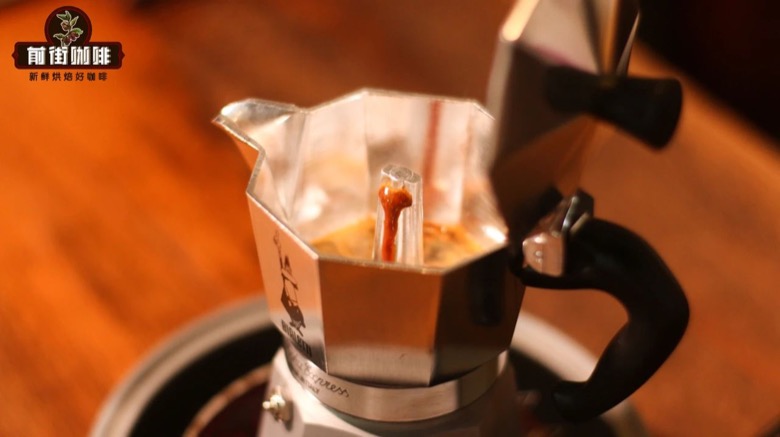
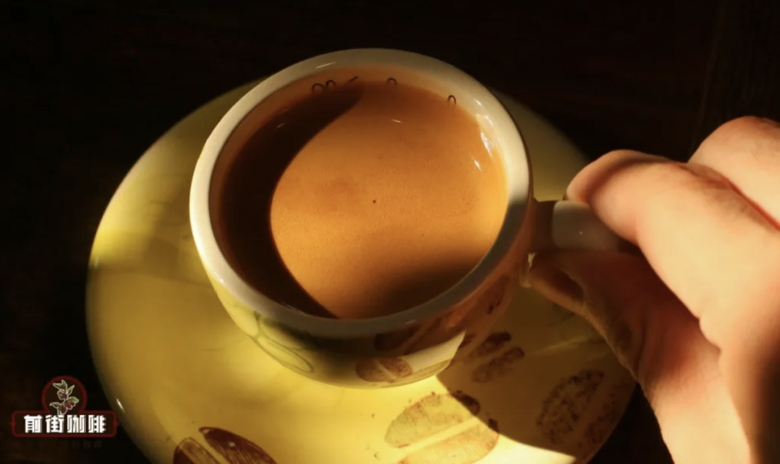
The logic of white coffee is completely different. After milk is added, the coffee liquid is diluted by the milk, so the espresso base must be thick enough and rich enough in crema to blend with the milk without clashing. At this point it depends on pressure, dose, and the state of the milk. Qianjie Classic Blend is an Italian-style blend in the Mamba style, composed of Indonesian Mandheling, Brazil, and a small amount of Robusta; after medium-dark roasting it has aromas of butter, toasted bread, and caramel biscuit, with fine crema and stable extraction. When making a double espresso, extract 38 to 40g of coffee liquid from 19 to 20g of grounds, control the time at 25 to 30 seconds, and the crema is about 3mm; only an espresso like this has presence when added to milk. Qianjie Huakui SOE is another bean suitable for white coffee; it is Ethiopian natural, medium roast, with flavors of red berries, light floral notes, and orange, and the crema carries a slight citrus note. When made into a flat white or latte, the aroma is elegant and the mouthfeel is refreshing without being greasy. The ratio of coffee to milk in a milk coffee is about 1:5, and the milk is steamed to 55 to 60°C; only when the milk foam is fine enough can it fully blend with the espresso.
In terms of bean selection direction, black coffee mostly uses single-origin beans, so floral-fruity aromas and acidity can be presented directly; white coffee mostly uses medium-dark roasted espresso beans, which have thicker crema and more harmonious flavor after blending with milk. But these two paths also overlap; the same bean can be used for both, just with different sides being tasted. For example, if Qianjie Huakui SOE is used to make espresso with milk, what you taste is its body and crema aroma; if it is swapped for a natural Ethiopian single-origin bean for pour-over, what you taste is its refreshing quality and layers. At home I always keep two kinds of beans on hand; in the morning when I want to wake up I make a pour-over, and in the afternoon when I want something gentler I make a milk coffee.
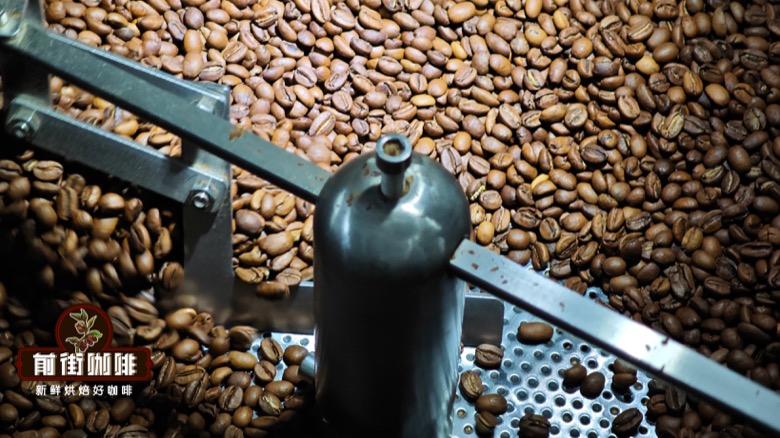
Freshness is crucial for both sides. Qianjie coffee beans are all roasted within 5 days when shipped; medium-dark roasted espresso beans such as Qianjie Classic Blend should rest for 5 to 7 days after arrival before extraction begins, allowing carbon dioxide to escape properly so the crema will be stable; pour-over single-origin beans like Qianjie Yirgacheffe Gudingding or Qianjie Kenya Little Tomato can be drunk after resting for 3 to 5 days, and the flavor is better if finished within a month. Resting beans is not mysticism; it is a small habit that lets you drink the beans in very good condition.

In the end, black coffee and white coffee have no distinction of superior or inferior, only a difference in scenarios. If you want to taste the terroir of a origin, choose a black coffee method like pour-over; if you want a gentle, full-bodied milk coffee, pick an espresso bean and extract it well. Match the method with the beans, and the everyday coffee you drink over the long term will become clearer and clearer.
Related Reading





Comments (0)
Loading comments...
You May Be Interested




Trending Reviews
Popular Videos

With you, wherever you are! We provide useful features to help you find new things you'll love






