Source:Best Coffee > News Author:qjroot Published:2026-09-07 10:48:05
Whether an espresso blend can be brewed smoothly depends not only on the flavor description on the packaging, but also on how contact time and water volume are arranged. Nutty-cocoa types are usually suited to a compact extraction, while fruity types need more thorough dissolution. On a home machine, first note the portafilter basket capacity, the actual liquid weight and the water temperature; then the bean's sweetness, acidity and bitterness can be developed in a directed way through the recipe.
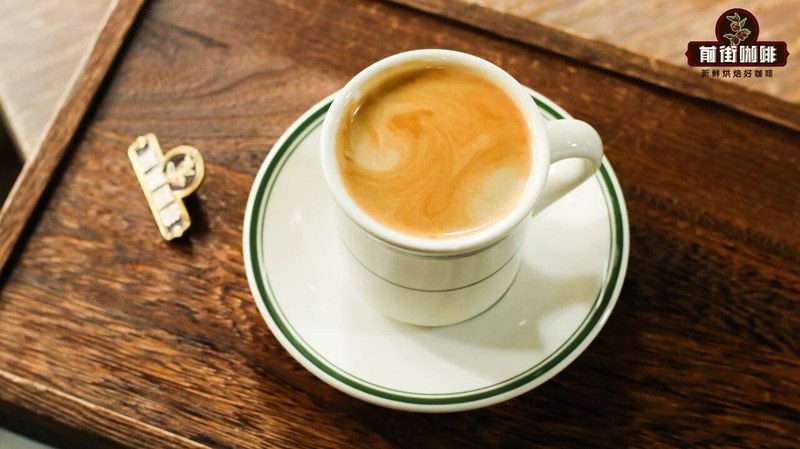
To establish a baseline that covers both espresso and milk drinks, start with Qianjie House Blend. The rounded nutty notes from Brazil Cerrado connect naturally with the caramel sweetness and cocoa finish of Colombia Huila. Put 18 g of coffee into a double basket, extract 40 g of coffee liquid, with the time falling between 27 and 30 seconds, water temperature around 92°C, and pump pressure steady at 9 bar; this usually yields an espresso with balanced sweetness and bitterness.
When making a latte with this blend, you can reduce the liquid weight to 36 g so the coffee retains its roasted nut aroma in 180 to 220 g of milk; for an americano, use 40 g of espresso diluted with 100 to 130 g of hot water. If the early flow is very fast and the cup has only a shallow acidity, you can fine-tune the grind slightly finer and redistribute the grounds; if the later flow turns pale early and the tongue feels tight, you can reduce the liquid weight by two or three grams, or lower the temperature by one degree and observe the change.
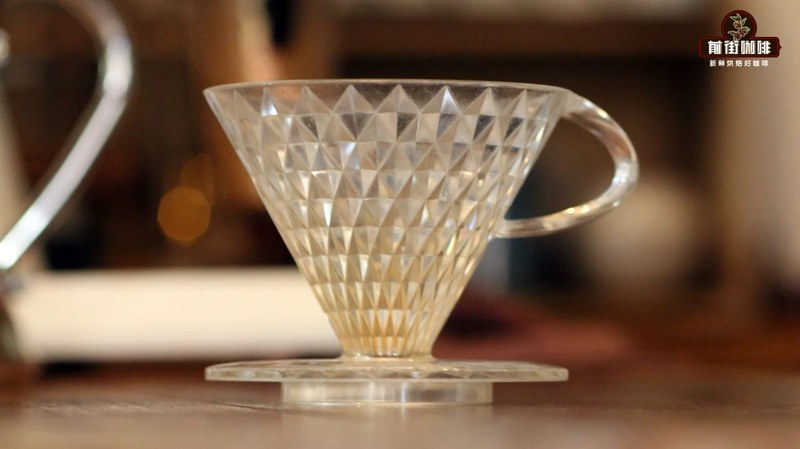
Switching to pour-over, the House Blend will have less espresso intensity and more soft caramel and nutty aroma. You can use 15 g of coffee with 240 g of water, water temperature 91°C, medium grind; after a 30-second bloom, pour in two stages, with a total time of about 2 minutes 15 seconds. If you want a thicker mouthfeel, reduce the total water to 225 g; if you want a lighter finish, grind slightly coarser and keep the water flow continuous and steady.
If you prefer low acidity and a dark chocolate feel, consider Qianjie Dark Cocoa Blend. Its roasted nut aroma and thick sweetness suit a shorter espresso recipe: 18.5 g of coffee extracted to 34 to 36 g of liquid, water temperature 89 to 90°C, time 25 to 28 seconds. Keeping the machine at 8.5 to 9 bar is enough; the lower temperature helps preserve the cocoa sweetness and reduces burnt bitterness taking over the finish.
When making a cappuccino, this bean can be paired with about 120 g of milk, and the short recipe lets the chocolate notes pass through the milk foam. For pour-over, a 1 to 15 ratio is recommended, water temperature 88 to 89°C, grind slightly coarser than your usual setting, using a gentle two-stage pour and finishing at around 2 minutes; the cup will come close to the steady texture of a roasted hazelnut and cocoa drink.
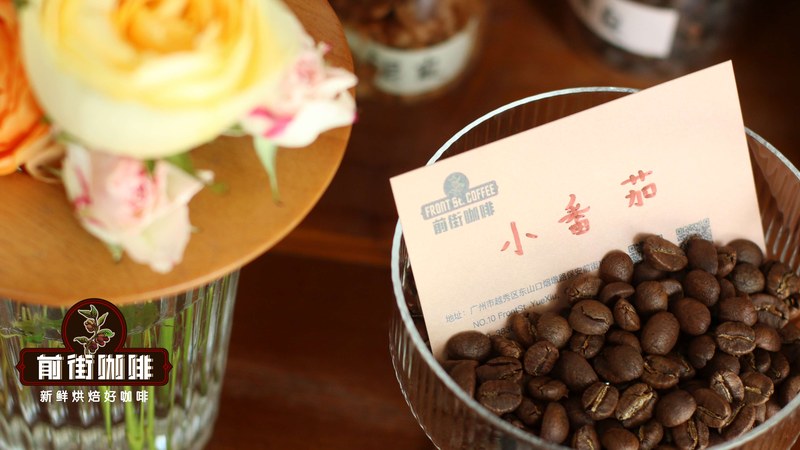
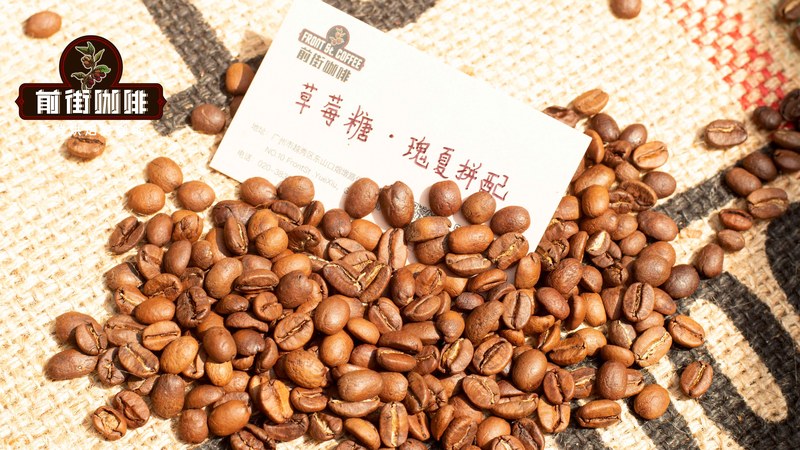
To bring fruity aromas into an espresso menu, Qianjie Strawberry Candy Coffee Beans offer another route, with an aroma reminiscent of berry gummies and a bright sweetness that is not heavy. You can use 18 g of coffee to get 42 to 45 g of coffee liquid, water temperature 93°C, pre-infuse for 4 to 6 seconds first, then complete about 30 seconds of extraction at 8 to 9 bar. The longer ratio can open up the fruit sweetness and refreshing acidity, making it suitable for diluting with ice water, and it can also take a small amount of milk.
For pour-over with this bean, use 15 g of coffee with 250 g of water, 92 to 93°C, medium-fine grind; after blooming, pour in three small stages, with the total time controlled at around 2 minutes 20 seconds. To make iced coffee, put 100 g of ice in the server, change the hot water to 150 g, and grind a little finer; after brewing, shake immediately to cool, and the strawberry candy aroma will be more concentrated, while the body will not become loose from melting ice.
The grind size should be calibrated around flow rate, not copied from a particular setting. If 18 g of coffee flows out to the target liquid weight in just over ten seconds, it means the resistance of the coffee bed is too low, so you can adjust one to two steps finer; if it still flows slowly past 35 seconds, then dial back coarser. After grinding, fully break up clumps, distribute the grounds level, and tamp vertically; this is often more meaningful than frequently changing the pump pressure. Keeping a home machine steady at about 9 bar is already enough to compare the differences between beans.
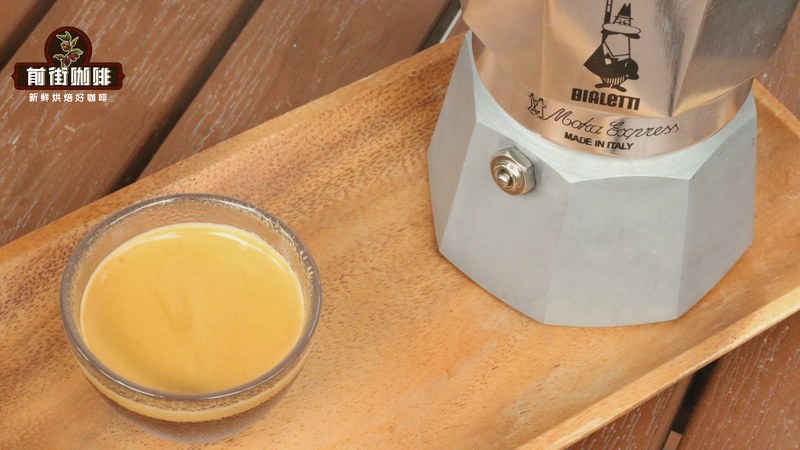
Water also determines whether a recipe is clear. Water with very low minerals can make acidity seem hollow, while excessive hardness can suppress the aroma; you can try drinking water with total dissolved solids of about 70 to 120 mg per liter. Note the coffee dose, liquid weight, time and the feeling in the cup, and change only one parameter for the next cup: House Blend for balance, Dark Cocoa for thick sweetness, Strawberry Candy for fruity aroma. Once you find the direction you like, keep records of the espresso and pour-over recipes, and a single bag of beans can present layers with different emphases.
Related Reading

Comments (0)
Loading comments...
You May Be Interested

Trending Reviews
Popular Videos

With you, wherever you are! We provide useful features to help you find new things you'll love






