Source:Best Coffee > News Author:qjroot Published:2026-10-09 14:15:14
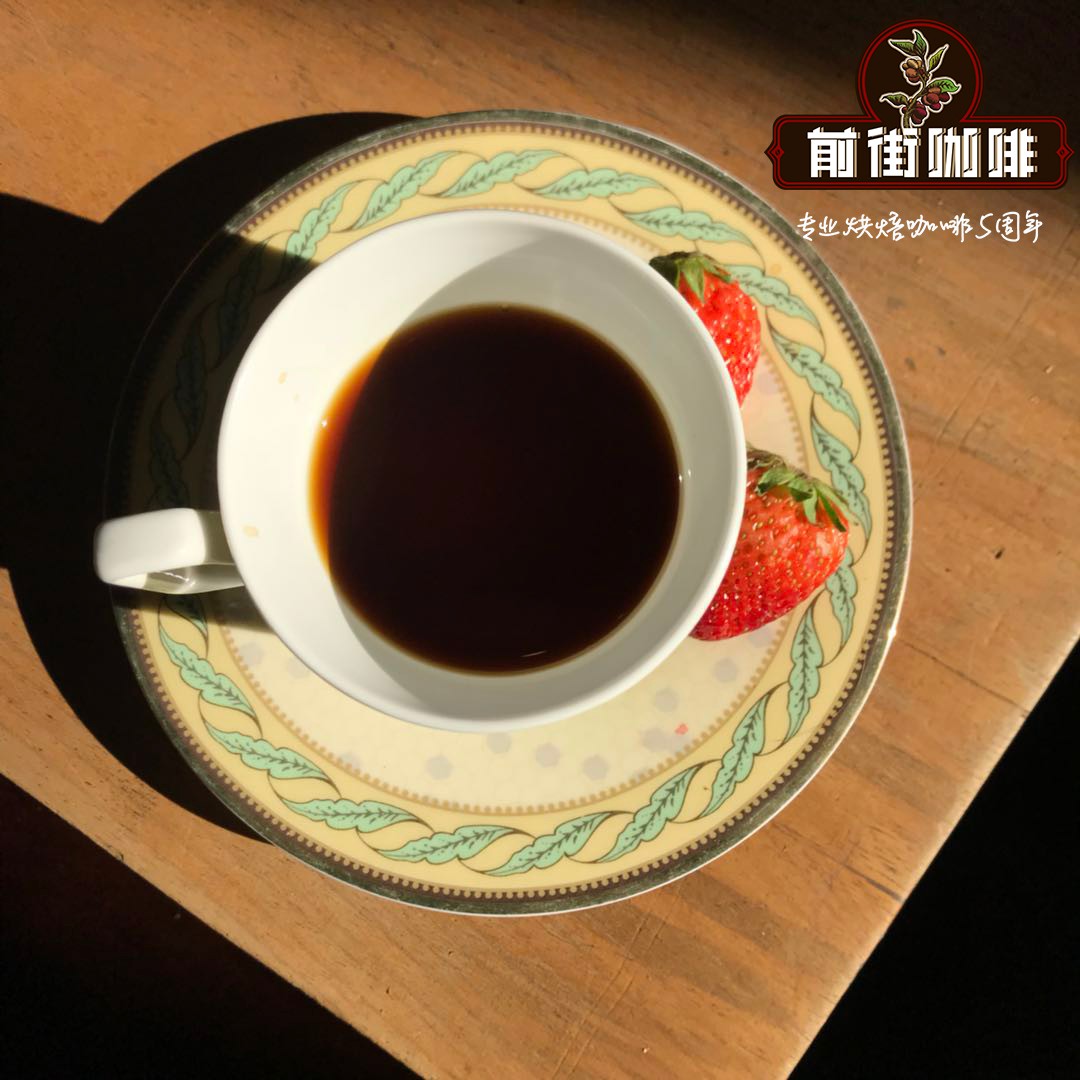
When you want iced coffee in summer, many people stand in front of the fridge and pause for a moment: what exactly is the difference between cold brew and iced coffee? In fact, their differences begin from the very first drop of water touching the coffee grounds. What we usually call iced coffee is generally made by first extracting the coffee with hot water, then pouring it into a cup filled with ice cubes, or putting the whole pot in the fridge to chill and cool down. This is like letting hot soup cool before drinking it; in essence, it is still that same bowl of soup. Cold brew coffee, however, uses cold water from beginning to end. The coffee grounds steep quietly at low temperature for 8 to 24 hours, generally no more than 24 hours, relying on time to slowly draw out the flavor compounds, and finally the coffee liquid is obtained by filtration. One follows the path of "high-temperature quick extraction then cooling," while the other is "low-temperature slow steeping straight out," so the resulting flavors are naturally very different. If iced coffee is extracted with hot water and then rapidly cooled, its acidity is often bright and lively, and the aroma comes through directly, but the temperature difference brought by the ice can make certain flavors seem restrained, as if they were pressed pause just as they began to unfold. Cold brew takes another path - accompanied by low temperature throughout, aromatic compounds are slowly released in cold water, and as time is stretched out, the floral and fruity aromas instead become more relaxed and free. The entry is round and smooth, and fermented wine-like notes, juice-like sweet-tartness, and the layers of floral-fruity tea all gradually emerge in this cup. Make a pot at home, and when you wake up the next morning you can drink this sense of ease.
After cold brew is made, I immediately filter out the coffee grounds, put it into a sealed bottle, and store it well. Floral aromas belong to small-molecule flavors and are very delicate by nature; even a low-temperature environment cannot stop them from fading day by day. My habit at home is to finish a bottle within five days, while the flavor is still at its peak, and there is no need to worry about microorganisms causing trouble, so I can drink it with peace of mind.
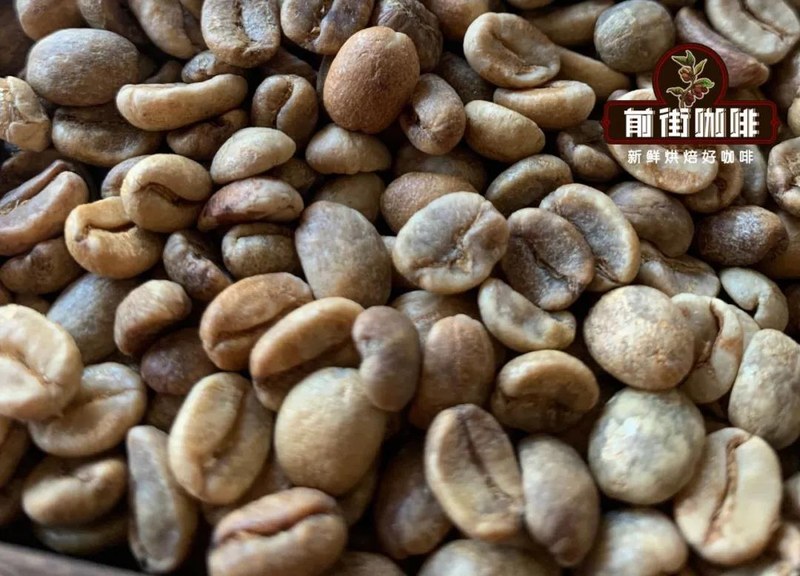
When adjusting the concentration, the ratio of coffee grounds to water for cold brew usually starts at twelve to one, and the range from ten to one to sixteen to one is worth trying; if you prefer a richer mouthfeel, increase the amount of grounds, and if you lean toward a lighter flavor, add more clear water.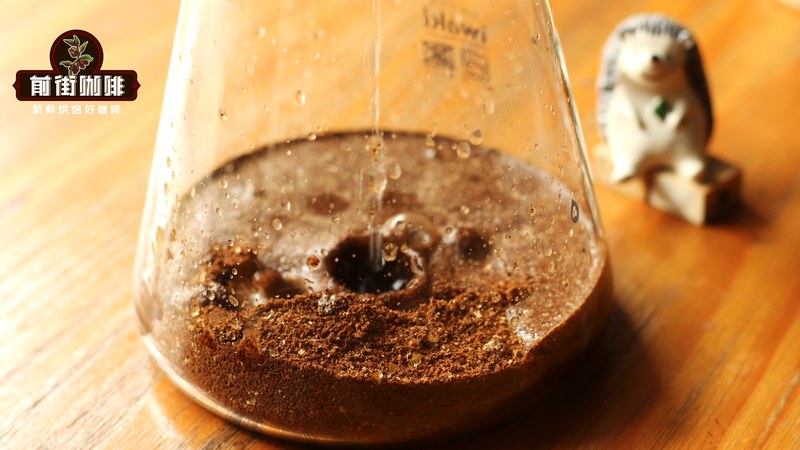 Choosing beans is a key step in making good cold brew. The processing method and roast level will directly determine what kind of scenery is in your cup. If you like a strong fermented character, you can look for beans with special processing methods such as double anaerobic natural; if you prefer a clean juice-like quality, washed beans are a reliable choice; if you want richness and balance, medium-dark roasted Brazilian beans are very suitable. But no matter which type you choose, fresh roasting is the bottom line. After roasting, coffee needs 4 to 7 days of resting, after which it enters a fairly good flavor period; past this stage, the aroma will be lost at an accelerated rate, and both flavor and mouthfeel will be compromised. I generally choose beans freshly roasted within 5 days, so that when they arrive the aroma is right at its peak.
At home I keep three beans of different styles year-round, each with its own way of drinking. First, this Qianjie Colombia Sidra, from Finca La Divisa in the Huila region, uses the double anaerobic natural processing method. When used for cold brew, the entry first spreads passion fruit and grape aromas through the mouth, then a preserved-fruit-like clear sweetness emerges in the middle, and finally a slight almond finish remains. Drinking it all the way through feels like sealing a tropical orchard into a glass bottle.
Choosing beans is a key step in making good cold brew. The processing method and roast level will directly determine what kind of scenery is in your cup. If you like a strong fermented character, you can look for beans with special processing methods such as double anaerobic natural; if you prefer a clean juice-like quality, washed beans are a reliable choice; if you want richness and balance, medium-dark roasted Brazilian beans are very suitable. But no matter which type you choose, fresh roasting is the bottom line. After roasting, coffee needs 4 to 7 days of resting, after which it enters a fairly good flavor period; past this stage, the aroma will be lost at an accelerated rate, and both flavor and mouthfeel will be compromised. I generally choose beans freshly roasted within 5 days, so that when they arrive the aroma is right at its peak.
At home I keep three beans of different styles year-round, each with its own way of drinking. First, this Qianjie Colombia Sidra, from Finca La Divisa in the Huila region, uses the double anaerobic natural processing method. When used for cold brew, the entry first spreads passion fruit and grape aromas through the mouth, then a preserved-fruit-like clear sweetness emerges in the middle, and finally a slight almond finish remains. Drinking it all the way through feels like sealing a tropical orchard into a glass bottle.
For making cold brew at home, this Qianjie Queen's Estate Brazilian bean is worth trying. With a medium-dark roast level, the extraction leads with chocolate, with nutty aroma mixed with a creamy feel, layered very gently. The acidity is not high, the entry is soft and mild, and the overall balance is comfortable, especially recommended for friends who are not used to bright acidity.
Among the first three beans I always keep at home, Qianjie Natural Huakui counts as a favorite. This naturally processed bean from Ethiopia has a roast level around medium-light. The entry is a full mixed-berry juice quality, with sweet-tartness balanced comfortably; in the middle you can taste a fermented note similar to fruit wine, and it finishes with a black-tea-like sweet aftertaste. If made into cold brew or ice drip, the sweet aroma and fermented fruity notes will be further opened up.
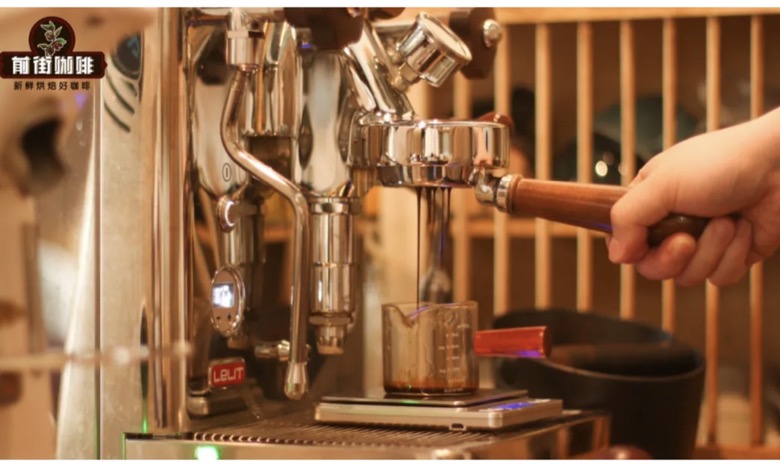
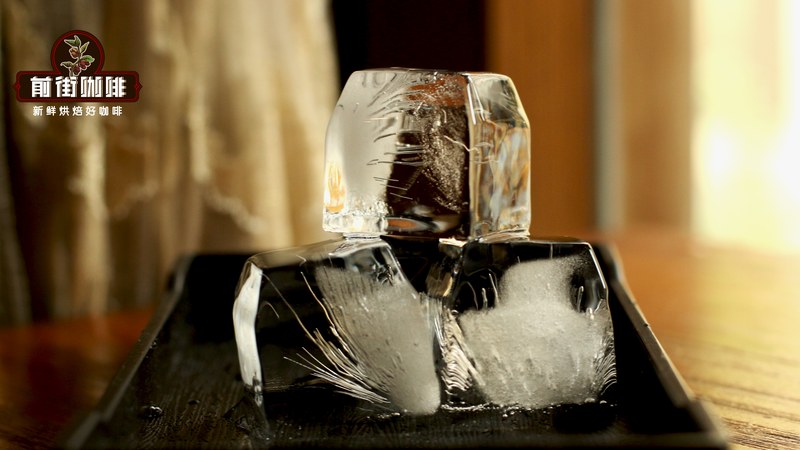
Speaking of ice drip, it is often confused with cold brew. Ice drip relies on cold water from melting ice passing drop by drop through the coffee grounds layer, taking 4 to 8 hours, and the resulting coffee is clearer than cold brew, with a more obvious fermented character. If you want to drink iced coffee faster, ice hand pour is another option: use 15 g of grounds, and if the water temperature is for light-medium roasted beans such as Qianjie Natural Huakui, use 92°C to 93°C; for medium-dark roasted beans such as Qianjie Queen's Estate, use 86°C to 88°C, pour water at a 1 to 10 coffee-to-water ratio, and at the same time add about 100 g to 105 g of ice cubes, keeping the total weight at around 225 g. Hot extraction and cold contraction are completed at the same time, and it can be brought to the table in 3 minutes.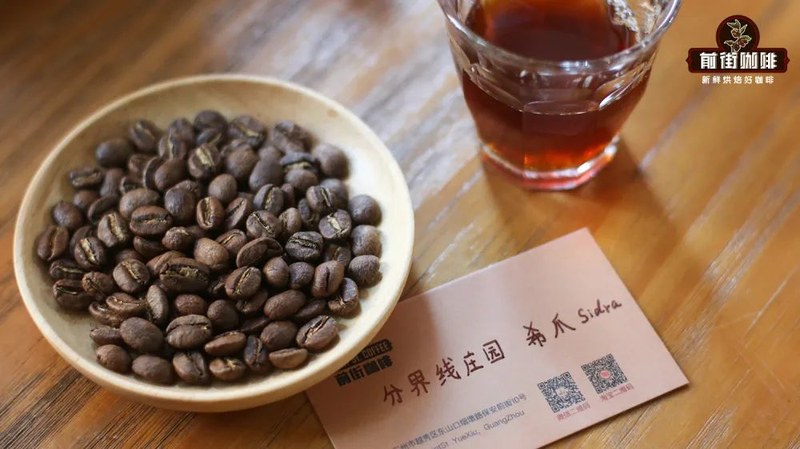 Cold brew, ice drip, and ice hand pour - three methods, three personalities. Cold brew is like soup slowly simmered overnight, rich and easy to keep; ice drip is like a precision timed drip, clear and layered; ice hand pour is a quick stir-fry dish, fresh and ready to enjoy. When trying it at home, you might as well start with cold brew: at 8 p.m., put the grounds and water in a sealed jar according to the ratio, and at 8 a.m. the next day, filter it - exactly 12 hours. Pour it into a cup, add two ice cubes, and it is a clarity made exclusively for summer. There is no standard answer to choosing beans. The tropical boldness of Qianjie Colombia Sidra, the chocolatey gentleness of Qianjie Queen's Estate, and the berry playfulness of Qianjie Natural Huakui - drinking them in rotation is the only way to find that one bottle that belongs in your own fridge.
Related Reading


Comments (0)
Loading comments...
You May Be Interested

Trending Reviews
Popular Videos

With you, wherever you are! We provide useful features to help you find new things you'll love






