Source:Best Coffee > News Author:qjroot Published:2024-08-11 18:50:46
According to Ethiopian media reports, on August 9, the National Bank of Ethiopia (NBE) conducted a foreign exchange auction involving 27 banks, and this US dollar auction had an average exchange rate of 107.9 Ethiopian birr per US dollar.
The open foreign exchange auction is intended to narrow the gap between the official exchange rate and the parallel market exchange rate. As the gap narrows, it is expected that some merchants who use the parallel market (black market) for transactions will shift to using the formal market.
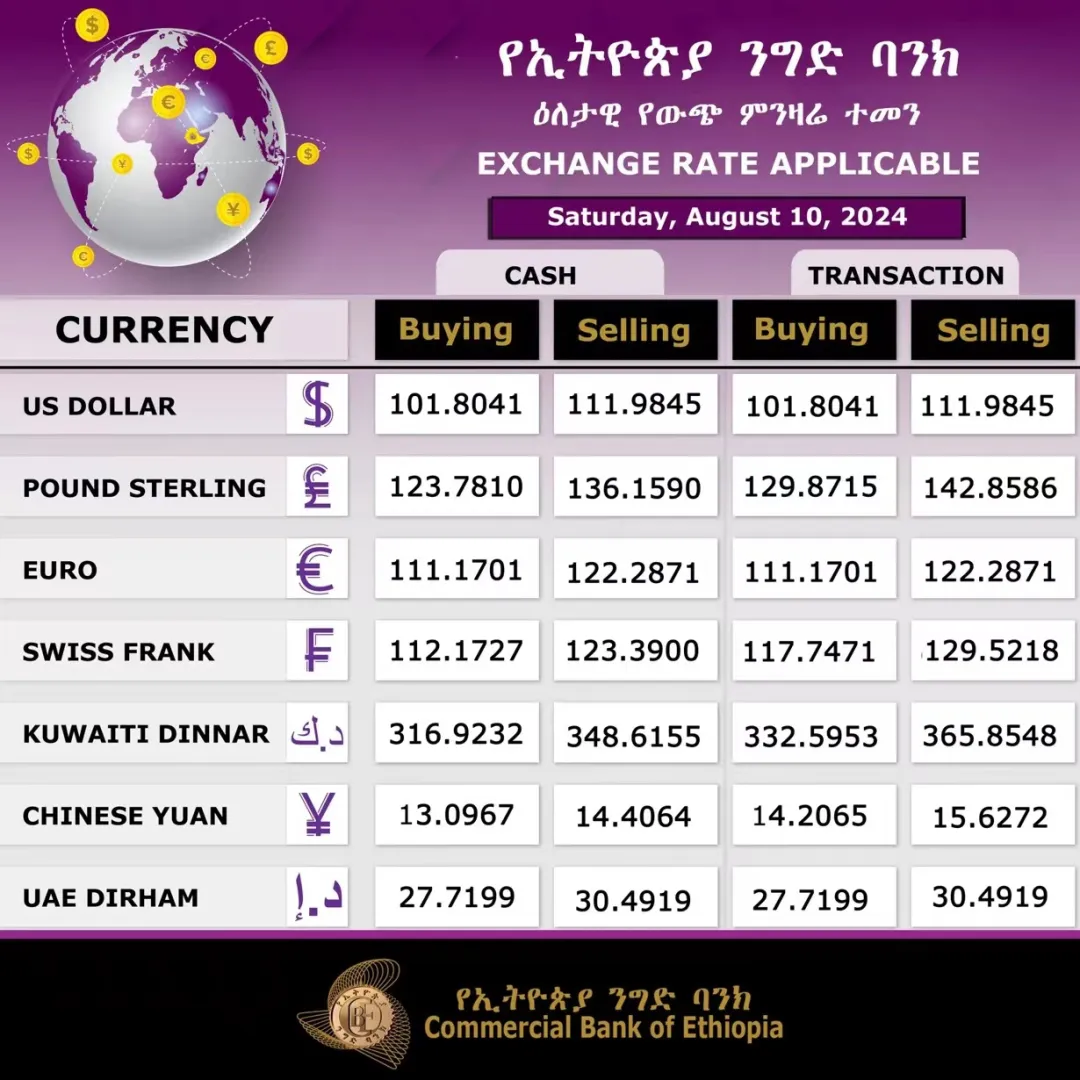
Although this move can effectively narrow the exchange rate gap between the two markets, Ethiopia's biggest current dilemma is the rise in prices caused by the exchange rate. Since Ethiopia earlier announced a major revision of its foreign exchange system and carried out a series of transition measures, the exchange rate of the Ethiopian birr has fallen sharply. According to reports from the Commercial Bank of Ethiopia, the buying rate went from 101.80 birr per US dollar, and the selling rate went from 111.98 birr per US dollar.
According to local reports, Ethiopian Airlines international and domestic ticket prices have risen sharply across major platforms. According to Ethiopian Airlines' explanation, international flights will change with the birr exchange rate on the market, while domestic Ethiopian flights have not yet increased in price, but may be slightly adjusted in the future due to foreign currency transactions such as purchasing and leasing aircraft, aircraft maintenance and spare parts.

Beyond that, Ethiopia's national economy is mainly based on manufacturing, services and agriculture. Manufacturing focuses on food, beverages, textiles and leather processing, but about 40% of manufacturing relies on imports, and as the cost of processing imported raw materials rises, so do the prices of finished goods produced in Ethiopia.
As for the service sector, in terms of tourism, because Ethiopia has recently been plagued by continuous conflict and frequent kidnappings, tourists and some coffee traders have reduced their trips to Ethiopia, and with the recent rise in Ethiopian Airlines' international fares, fewer people are traveling there, and secondly the transport industry, where vehicles, fuel and spare parts are all heavily dependent on imports.

Agriculture, meanwhile, is the backbone of Ethiopia's national economy and foreign exchange earnings from exports, but the use of fertilizers, pesticides, herbicides and seeds is all heavily dependent on imports, which has also pushed up price levels in these industries, especially for the country's coffee beans.
The Ethiopian Coffee and Tea Authority (Coffee And Tea Authority), together with the National Bank of Ethiopia, issues minimum export floor prices for different producing regions and grades, so the transaction price in an export coffee contract must be higher than the minimum floor price.
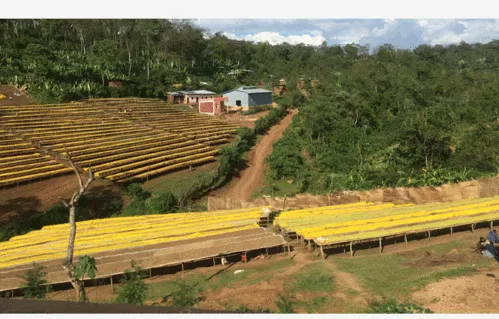
According to prices published on July 28, the price of G1-grade coffee beans was roughly between 3.75 and 3.83 USD/lb, while by August, after the exchange rate rose, a report issued on August 4 showed that the price of G1-grade coffee beans was roughly between 3.94 and 4.02, an increase of 5% compared with the previous week, while some commercial bean prices rose by 14% week on week. However, this is not the final transaction price; the price may rise due to different factors such as shipping and taxes.
According to local people, Ethiopia's capacity to earn foreign exchange is limited. Even though the Ethiopian government says it will subsidise necessities such as "fuel, fertiliser, medicines and cooking oil", this covers only a small portion of products, and the government has not specified the subsidy plan, so they believe government subsidies are unlikely to be substantial and lasting. Therefore, exports such as coffee will continue to rise in price in the future, but rising too high is not conducive to the development of the industry or the country.

Related Reading








Comments (0)
Loading comments...
You May Be Interested




Trending Reviews
Popular Videos

With you, wherever you are! We provide useful features to help you find new things you'll love






