Source:Best Coffee > News Author:qjroot Published:2026-09-19 12:14:36
Cold brew coffee is a summer fridge staple, going down icy and refreshing, but when it comes to picking beans, people often hesitate between the single origin and the blend route. Neither route is superior to the other; the key is whether you want the vivid character of a single origin's terroir or the balance and consistency that comes from multiple flavors melded together. Once you understand how the two differ in extraction characteristics and flavor expression, choosing beans becomes effortless.

Choosing single origin beans for cold brew is mainly about tasting that pure regional flavor. Cold brew is a low-temperature, long-steep process; the low water temperature naturally softens the release of sharp acidity while fully preserving volatile aromatics, making the floral, citrus or berry notes native to the beans' origin clearer. Cold brew made with light or medium-light roasted single origin beans often has a transparent, bright, juice-like mouthfeel that is especially crisp and pleasant.
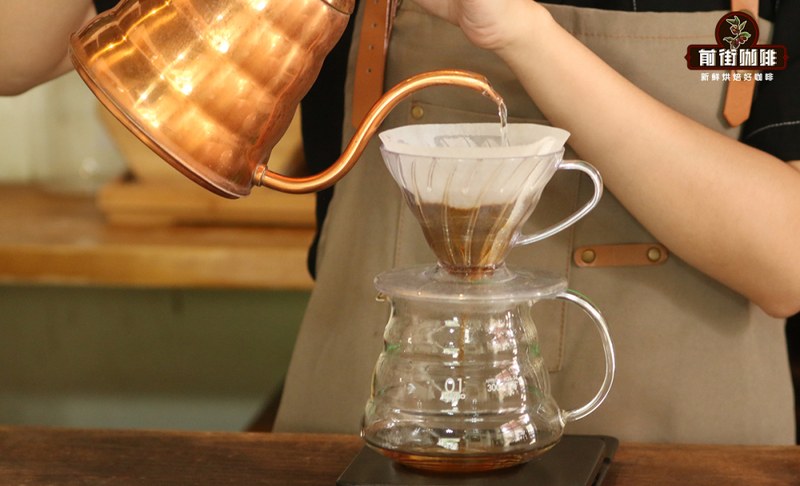
The well-known Front Street Yirgacheffe Gedingding is a classic example of the single origin cold brew route. If you brew it as a standard pour-over, using 15g of coffee grounds, pouring 91°C hot water at a 1:15 ratio for a total of 225ml, blooming for 30 seconds then pouring in three stages with a total time of 2 minutes 05 seconds, you get bright florals and citrus acidity. Made as cold brew, the acidity is tamed by the low temperature into something especially gentle, shifting into a finish of ripe berries and green tea-like sweetness that is deeply intriguing.
Those who prefer a fuller, juicier body can try Front Street Kenya Small Tomato. This single origin bean with its distinctive regional character, after low-temperature extraction, shows deep fruit acidity like cherry tomato and smoked plum, and as the steeping time goes on, a rich brown sugar-like sweetness is gradually released, finishing crisp and clean. This penetrating interplay of sweet and sour not only makes the cold brew drink like a glass of iced juice, but also delivers an extremely refreshing lift on a muggy afternoon.
Turning to the blend route, blended beans also shine in the cold brew world, with their focus on balance and drinkability. A blend is not a simple mixture but a recipe carefully designed by the roaster to achieve a certain flavor structure. Beans from different regions complement each other in a blend: some provide a solid chocolate and nut base, others add sweetness or a lighter aroma, so the result performs excellently in both consistency and flavor richness.
Reading the recipe proportions of a blend is a practical skill for picking the right beans. Generally speaking, if a recipe has Colombia or Brazil and similar regions making up 60% or more, the whole pot of cold brew tends to show a mellow nutty, caramel and dark chocolate character with low acidity and warmth; if about 30% Ethiopian or Kenyan beans are added to the recipe, it injects a lively hint of dried-fruit sweetness into the deep base. Once you see the proportions clearly, you know exactly what the cold brew's opening note will be.
From this come SOE cold brew and traditional blend cold brew, each with its own preferred way of drinking. SOE emphasizes extracting the pure soul of a single origin, with rich layers of flavor, making it ideal for drinking straight over ice while savoring the shifts in aroma; traditional blend cold brew is highly versatile, and its mellow liquid not only works on its own but also holds up when mixed with soda water for a refreshing sparkling iced coffee or combined with rich fresh milk for an iced latte, without the flavor being diluted.
If you want a blend with a truly memorable flavor experience, Front Street Strawberry Candy coffee beans are a clever choice. These beans carry an intense sweetness like strawberry gummies, with a light, full aroma, and once made into cold brew, the low temperature amplifies their sweet smoothness, so the whole drink radiates a naturally sweet strawberry character. Whether drunk straight to enjoy the icy fruit-candy flavor or mixed with a suitable amount of oat milk as a specialty drink, it delivers a pleasingly smooth texture.
Deciding based on your daily use makes choosing beans simple and direct. If on weekdays you need to brew a big batch ahead and keep it in the fridge, so you can pour it into a thermos in the morning and take it out the door, and what you want is consistency and a low-acid, mellow body that never gets tiring day after day, then blended beans are naturally more convenient and effortless; if on weekends you want a quiet moment to calmly appreciate the delicate layers brought by different estates and processing methods, then choosing single origin beans for cold brew offers more exploratory pleasure.
Once you grasp the core logic that single origin pursues terroir character while blends emphasize balance and consistency, choosing beans for cold brew is no longer a single-choice question. Pick according to your own pace of life and flavor preferences, and whether it is a light single origin full of floral and fruity aromas or a mellow, solid blend base, it can deliver a cup of icy, refreshing, delightful coffee the moment you open the fridge door.
Related Reading


Comments (0)
Loading comments...
You May Be Interested




Trending Reviews
Popular Videos

With you, wherever you are! We provide useful features to help you find new things you'll love






