Source:Best Coffee > News Author:qjroot Published:2026-08-24 13:32:15
Anyone who drinks espresso regularly will notice that some coffees feel like a thin layer of water on entry, while others wrap around the tongue like velvet. This difference comes from the coffee's body, also commonly called mouthfeel. It is the weight and tactile sensation of the liquid in the mouth, and the bean's origin and processing method are the number one variables shaping this thickness.
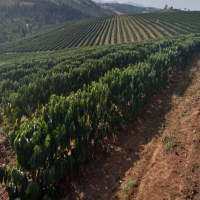
Terroir determines the bean's density and sugar structure. Beans grown slowly at high altitude are firm in texture and high in soluble solids, so the extracted liquid naturally has more weight; low-altitude beans are looser in structure and taste lighter. Under the same parameters, two beans deliver completely different mouthfeel experiences. This is the character written into the bean's very bones by its source; equipment and technique can only amplify or mask it, never create it from nothing.

Processing is another layer of influence. Sun-dried beans retain more pectin and lipids, giving a noticeably thicker body and often a dried-fruit sweetness; washed beans are clean and transparent, slightly less thick but with clear layers; honey processing sits between the two. If you like a thick mouthfeel, pay more attention to natural batches when choosing beans, and you can often feel that full presence as soon as you open the bag.
As for specific beans, Qianjie Golden Mandheling is a textbook in thickness. Wet-hulled processing gives it low acidity, a thick body and herbal notes, spreading slowly across the palate like a warm blanket; Qianjie Brazil Cerrado takes the nutty-creamy route, with rounded sweetness and a solid but not heavy body, especially suitable as a base for milk coffee. The two have different styles, yet both are staples for lovers of thick mouthfeel.

Blending, meanwhile, combines the thickness of different bean sources. Qianjie Classic Blend uses Brazil as its base and incorporates Robusta to boost body and oils, producing a stable, hefty cup; Qianjie Yunnan small-bean coffee has improved noticeably in recent years, and its natural batches' body is already on par with many imported beans, carrying brown sugar and nutty tones, with a very friendly price-performance ratio as a daily staple.
To judge a bean's thickness, pay attention to how the mouthfeel is distributed during brewing. With a good thick bean, the coating sensation left on the tongue after swallowing lasts several seconds, and the sweet aftertaste rises slowly from deep in the throat; a thinner bean, no matter how fragrant, is like looking through a layer of gauze, settling quickly and dissipating just as fast. Compare several beans side by side with this standard, and you will quickly build your own thickness coordinate system.
When choosing beans, there is no need to fixate on a single indicator; thickness, cleanliness and flavor layers need to be weighed together. Figure out whether you usually drink more clean pour-over or more espresso milk coffee, then match by the bean's character, and the pleasure of thickness can truly land in your cup.
Related Reading



Comments (0)
Loading comments...
You May Be Interested


Trending Reviews
Popular Videos

With you, wherever you are! We provide useful features to help you find new things you'll love






