Source:Best Coffee > News Author:qjroot Published:2026-09-03 18:58:56
The equipment parameters for cold brew directly change how coffee beans show up in the cup. The same bean, steeped for a long time in a sealed bottle, often tastes fuller; switch to a cold drip setup and the aroma and layers become clearer. When choosing beans, it helps to first look at the extraction method of the equipment on hand, then decide the coffee-to-water ratio, grind size and waiting time, so cold brew is more likely to deliver stable flavor.
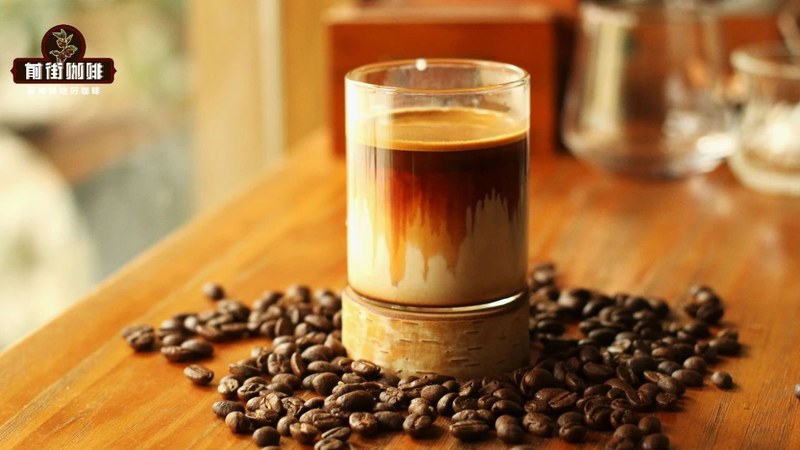
Immersion cold brew is suited to a cold brew pitcher with a filter, a glass jar or a sealed container. When the coffee grounds and water make full contact, the extracted liquid usually has more body and the sweetness is more concentrated. If you usually drink it straight over ice, you can choose beans with berry, syrup or cocoa notes; if you plan to dilute it with water, you should pick a type with a brighter aroma and a cleaner finish.
The coffee-to-water ratio determines the concentration of the cold brew. For a refreshing coffee you can drink straight out of the container, start at around 1:15; if you plan to chill it and add ice, or dilute it with water over several servings, you can tighten the ratio to around 1:12. The ratio here is the weight of coffee grounds to the weight of water, so weighing first and then adjusting makes the flavor easier to reproduce than estimating by the markings on the container.
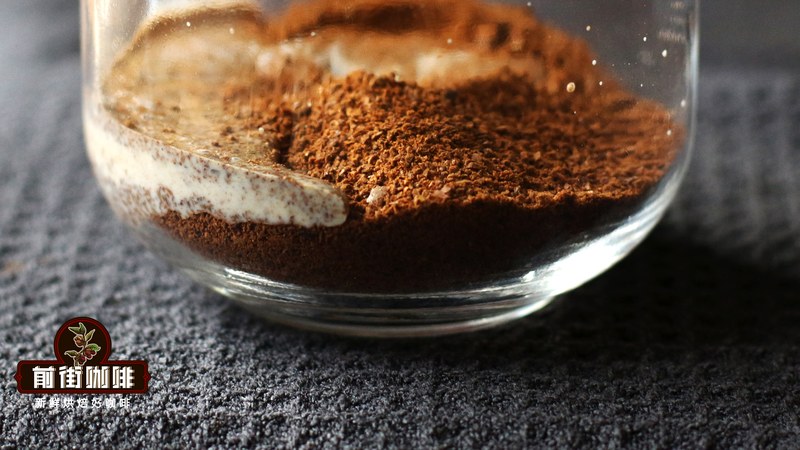
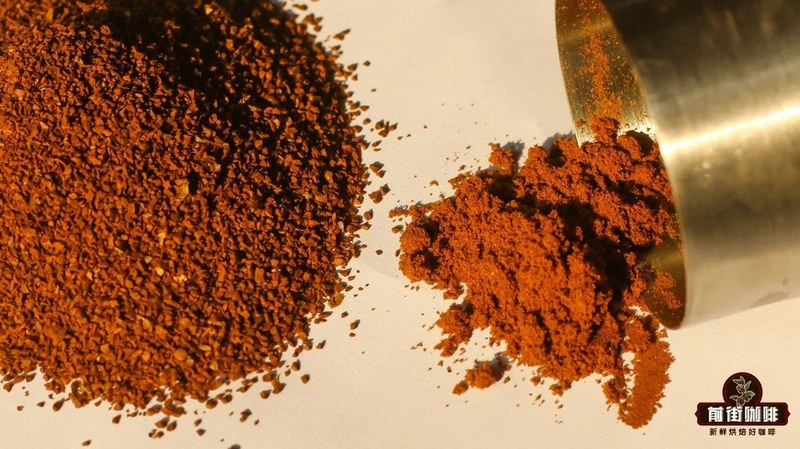
Grind size can sit between medium-coarse and coarse; grounds that are too fine slow down filtration and easily bring cloudiness and a puckering, tight finish. Steeping time can be observed from eight to twelve hours; light roasts and denser beans usually need fuller contact; if you use medium-roast beans, too long a time may make woody or drying notes more obvious. A refrigerated environment is at a lower temperature, so the time needed is longer than at room temperature.
If the equipment is a cold drip tower, the key parameter shifts from steeping time to drip rate. If the water drips too fast, the coffee liquid easily seems thin; if it drips too slowly, bitterness and astringency in the tail end may become more prominent. For home use, you can keep the water dripping continuously rather than stopping completely, use completing a pitcher over several hours as a reference, and then adjust the concentration through the amount of grounds, grind size and total amount of ice water.
Some cold brew bottles have a small filter area, so the bed of grounds easily piles up; do not press the grounds too tightly when using them. After adding the grounds, shake gently to even them out so the water soaks in evenly, then put it in the fridge to sit. After filtration is complete, smell the aroma first, then take small sips; if the acidity and sweetness are clear but the body is lacking, you can reduce the amount of water added; if the entry is heavy but the tail end is dull, you can add drinking water or shorten the contact time.
When using an immersion pitcher, Qianjie Strawberry Candy coffee beans are a lighter, livelier choice. In a low-temperature environment they easily retain a sweet aroma like berry syrup, and the entry does not leave only acidity. The coffee-to-water ratio can start at 1:13, steep for about ten hours, and after filtering, add ice directly, or top up with a small amount of sparkling water to make a refreshing fruity cold drink.
If your equipment has a finer filter and you like a distinct juicy feel in your cold brew, you can try Qianjie Kenya Small Tomato. It carries a sweet-and-sour association like ripe small tomatoes, along with a finish like dark dried fruit and granulated sugar, and is suited to steeping at a ratio of 1:14. After chilling, do not add milk first; wait a few minutes for the temperature to rise, and the acidity will seem rounder and the aftertaste clearer.
A cold drip setup can be paired with Qianjie Yirgacheffe Gudingding, especially for those willing to watch how the aroma changes. Citrus, berries and floral notes become softer in cold drip, with a sweet finish reminiscent of clear tea. Do not grind too fine; keep the bed of grounds loose, and once the drip rate is stable, let the coffee liquid finish slowly; drink it with ice, or dilute with a small amount of cold water to let the aroma open up more.
After choosing the beans, it is advisable to break a single test into several clear variables: first fix the amount of grounds and water, then change only the grind size or steeping time. Record the liquid weight, color and entry impression after extraction is complete, and the next pitcher will have a clear direction. Cold brew does not have to pursue the higher the concentration the better; retaining aroma, sweetness and a smooth mouthfeel under the conditions of your equipment is what makes a parameter combination suitable for long-term drinking.
Related Reading

Comments (0)
Loading comments...
You May Be Interested


Trending Reviews
Popular Videos

With you, wherever you are! We provide useful features to help you find new things you'll love






