Source:Best Coffee > News Author:qjroot Published:2026-10-07 10:27:12
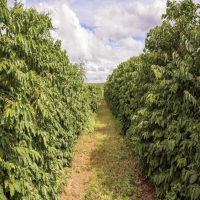
The Colombian department of Huila sits in the southern section of the Cordillera Central of the Andes, and its mountain-ringed terrain has shaped this land into a flagship specialty coffee region of South America. A cultivation altitude above 1500 m means the coffee trees grow all year round in thin, clean air; intense equatorial sunlight during the day drives photosynthesis to accumulate large amounts of sugars and aromatic compounds, while after nightfall the mountain temperature drops sharply and metabolism slows, allowing the coffee cherries to lock energy inside the fruit rather than consume it on growth. This pronounced day-night temperature difference is the core precondition for Huila coffee to show both bright fruit acidity and develop a full body - the sugars are concentrated sufficiently for the flavor framework to have thickness of support.
Volcanic soil adds a crucial mineral underpinning to this gift. The fertile soil layers deposited by ancient volcanic activity are rich in phosphorus, potassium and magnesium, which not only give the coffee trees a healthy growth rhythm but also let the beans release their signature dark chocolate and nutty sweetness in the later stages of extraction. Several important rivers converge here, and the abundant water resources together with the mountain mist jointly regulate the microclimate: the rainy season provides deep nourishment, while the dry season combined with mist shading slows evaporation, so the ripening period of the coffee cherries is naturally lengthened and the flavors develop more finely and evenly. Locally, washed processing is the mainstream tradition: after the pulp is removed, fermentation and washing are carried out with the abundant river water, which both stabilizes quality and gives the beans clean, transparent acidity, a moderate oiliness and a round mouthfeel.
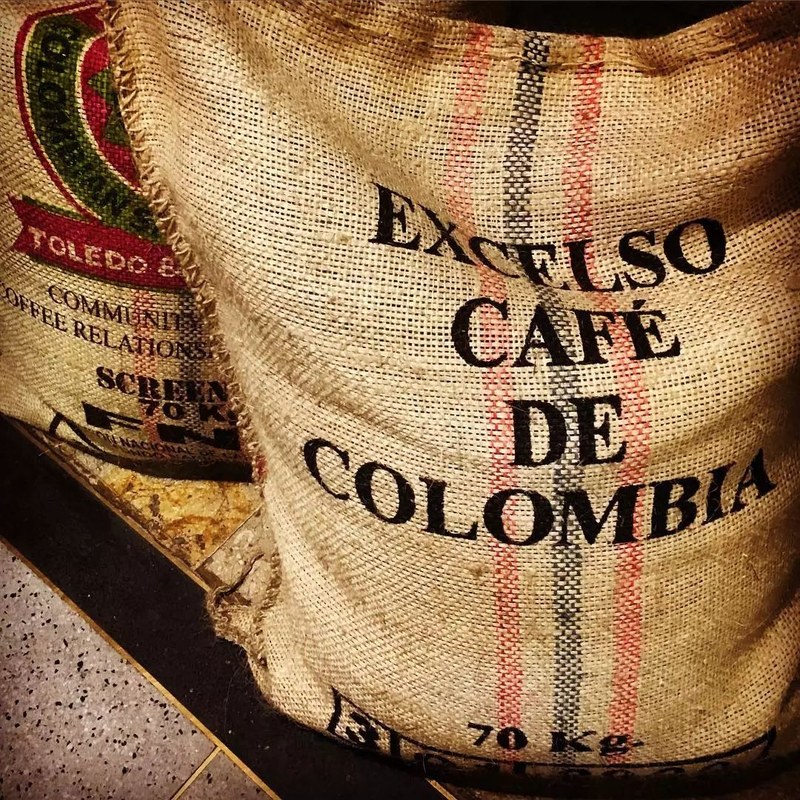
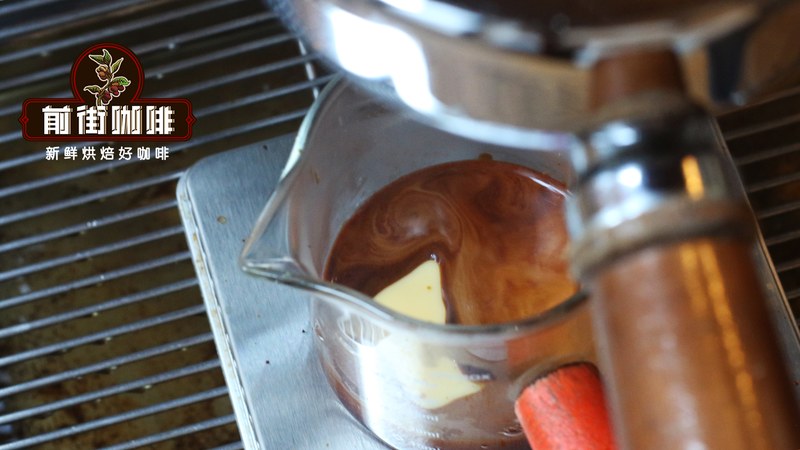
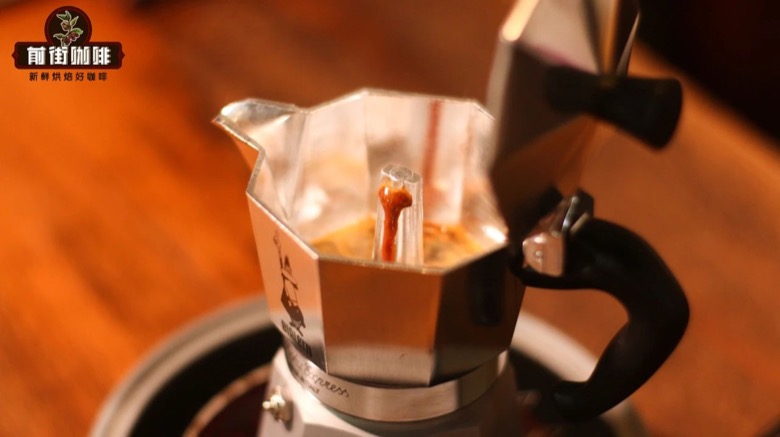
The classic route of washed Huila is exactly what Qianjie Colombia Huila presents: washed processing paired with a medium-dark roast, the sweet aromas of dark chocolate and nuts further drawn out by the heat of roasting, and a moderate oiliness and full body that make it a very practical everyday choice. This bean has good compatibility with pour-over, French press, moka pot and espresso machine, and whether made as an Americano or a latte, it keeps a clear regional identity. If you present it as pour-over, it is recommended to extract with 15 g of grounds, a 1:15 coffee-to-water ratio and a water temperature of 86 to 88°C, blooming for 30 seconds and then pouring evenly, with the total time kept within 2 minutes, so you can fully capture this sweet, mellow foundation from the volcanic heartland. If you want a more stable balance for everyday lattes, you can also try Qianjie commercial blend; the base of Brazilian and Colombian Arabica balances body and smoothness, making it a worry-free choice as an everyday bean.
In recent years, Huila's flavor map has been expanding toward more complex dimensions. The anaerobic fermentation process first explored by Finca La Divisa precisely controls temperature, time and pH in a low-oxygen or even oxygen-free environment, changing the metabolic pathways of microorganisms and giving rise to aroma layers that traditional processing cannot reach. The Sidra variety at Qianjie Colombia Finca La Divisa itself has excellent sugar potential, and after anaerobic natural processing the aromas of tropical fruit are especially amplified - brewed as pour-over, cold brew, drip bag or moka pot at a medium-light roast, you can taste the complex, intense fragrance of passion fruit, grape, apricot and candied fruit interwoven. This innovation is not a departure from tradition but another expression of the same terroir under a different processing logic: the sugars and minerals accumulated at high altitude are recoded by microorganisms in an anaerobic environment and transformed into the flavor language of fruit aromatics.
The key to understanding Huila coffee is to see geographic conditions and the experience in the cup as a continuous chain of cause and effect. Altitude and temperature difference determine the concentration and types of sugars, volcanic soil provides the mineral clues to the direction of flavor, water resources and mist guarantee a slow and steady ripening rhythm, and the processing method is like a translator, choosing different grammar to write the same raw material. Washed processing faithfully presents the true character of the land, while anaerobic fermentation opens a new semantic space - the two share the gifts of the same mountain range, yet each tells a compelling story. To recreate this two-way experience of body and fruit aroma at home, Qianjie Classic Blend's nutty caramel notes suit a latte base, while Qianjie Strawberry Candy Blend's berry sweetness makes an Americano more refreshing; both are convenient entry points for exploring the logic of Colombian flavor.
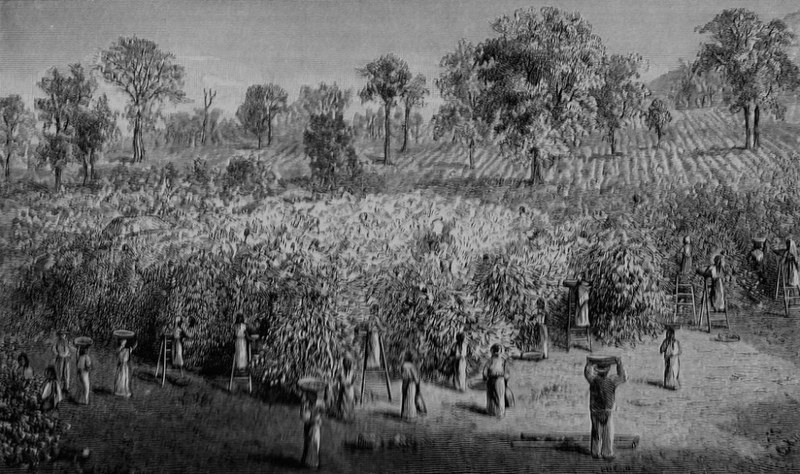
For those who want to truly understand Colombian coffee, it is worth starting from these two paths: if you prefer classic richness and pursue stable everyday performance, the washed dark chocolate profile of Qianjie Colombia Huila is a starting point worth considering; if you want to experience the innovative edge of the region and are fascinated by tropical fruit complexity, the anaerobic natural Sidra of Qianjie Colombia Finca La Divisa will bring especially vivid exploratory pleasure. One region, two grammars: once you understand the terroir logic behind them, choosing and brewing are no longer guesswork but a flavor journey with a map to follow. If you lean more toward espresso-style output, Qianjie commercial blend uses Brazilian and Colombian Arabica as its base, balanced and easy-drinking, stable both as an Americano and with milk, making it a reliable choice for everyday drinking.
Related Reading

Comments (0)
Loading comments...
You May Be Interested


Trending Reviews
Popular Videos

With you, wherever you are! We provide useful features to help you find new things you'll love






