Source:Best Coffee > News Author:qjroot Published:2024-08-05 18:27:23
According to local Ethiopian media reports, on August 4 local time, the Ethiopian Coffee and Tea Authority signed a memorandum of understanding with the Oromia Tourism Commission.
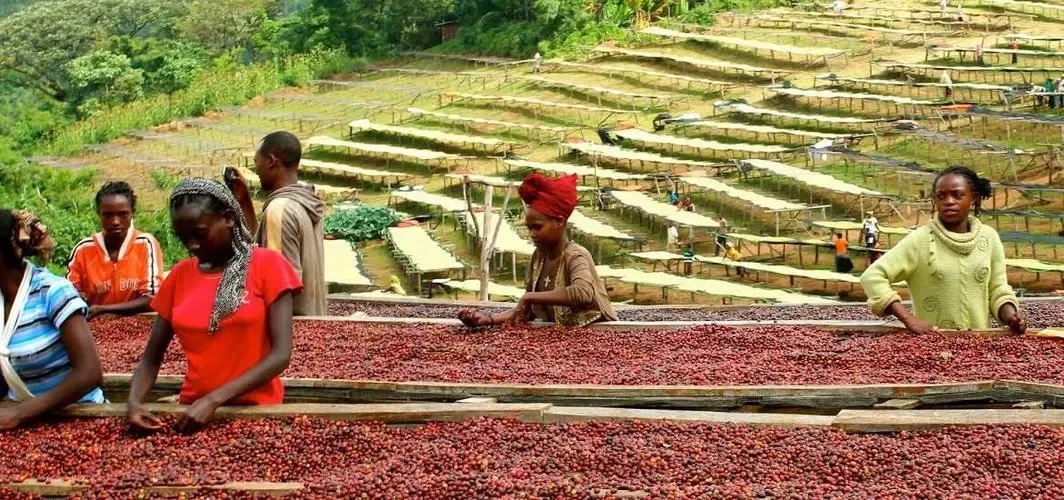
It is understood that Ethiopian coffee is renowned worldwide and is one of the main sources of foreign exchange earnings for Ethiopia. The memorandum of understanding aims to integrate the resources of the two departments and use Ethiopian coffee to enhance the status of the country's tourist attractions.

The Ethiopian Coffee and Tea Authority said that in the fiscal year that ended in Ethiopia, Ethiopia earned 1.4 billion US dollars in foreign exchange from the coffee export trade, and emphasized the current efforts to produce high-quality coffee and obtain more revenue in the coming years.
However, people in the coffee industry believe that the biggest difficulty currently facing the coffee industry is the exchange rate issue. This is because earlier, Ethiopia announced a major revision of its foreign exchange system and carried out a series of transition measures, which also caused the exchange rate of the Ethiopian birr to drop sharply. According to a report by the Commercial Bank of Ethiopia, the buying rate went from 95.69 birr per 1 US dollar, and the selling rate from 101.43 birr per 1 US dollar, a depreciation of nearly 70%.
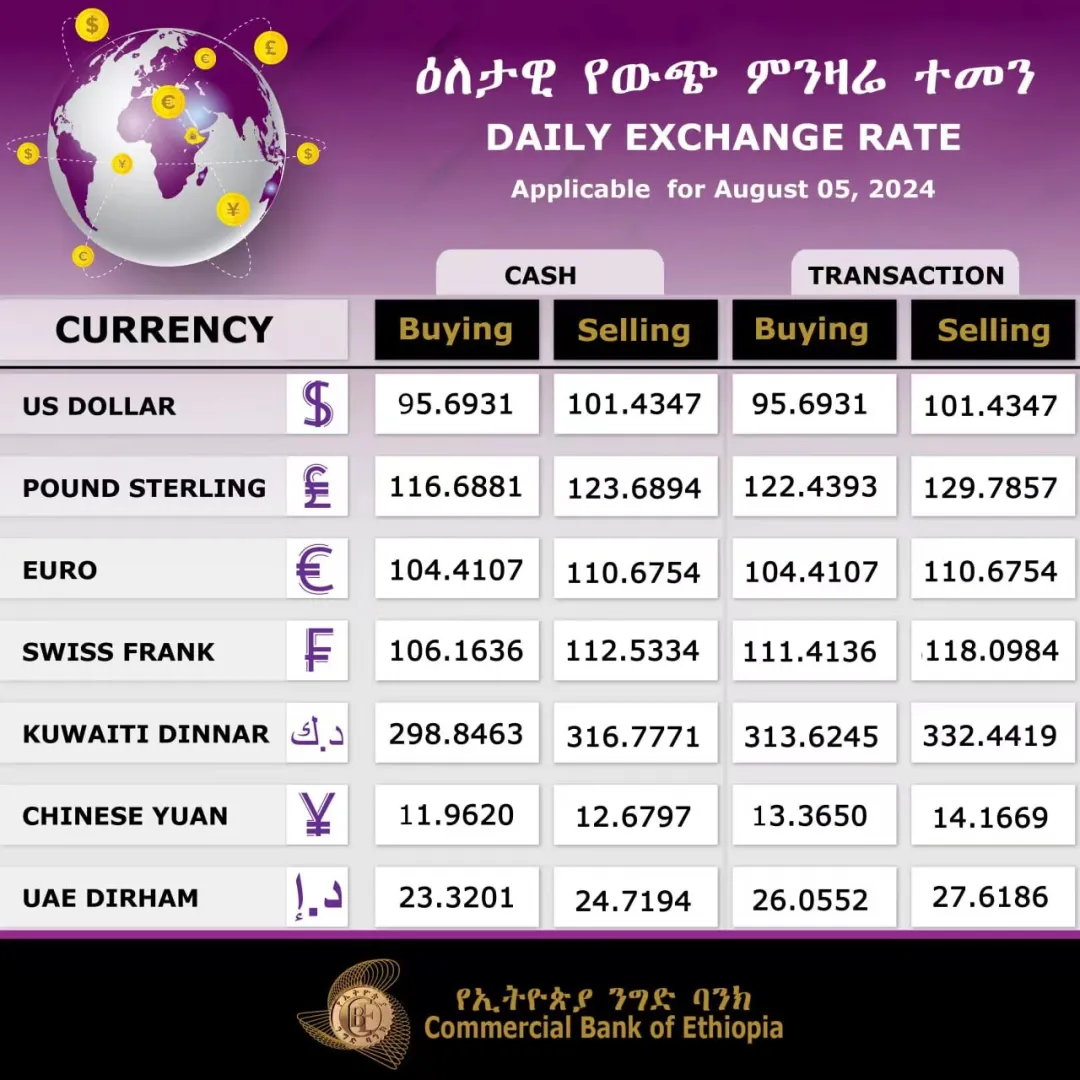
In recent years, the people of Ethiopia have had to endure a huge cost of living, and this policy has sharply increased the pressure of the cost of living. According to local residents, the prices of some goods have risen beyond imagination. For example, onions soared from the original 40 birr per kg to more than 70 birr, 5 liters of cooking oil rose from 1,100 birr to 1,500 birr, and teff, Ethiopia's local staple food, also rose from 160 birr per kg to 190 birr. As the exchange rate continues to fall, large-scale public protests may occur in the future.
Although the Ethiopian government has taken action, recently arresting thousands of business owners on the grounds of unreasonable price increases. And according to reports, Ethiopia's Minister of Trade and Regional Integration said that the government has been putting more industrial and agricultural products on the market to balance the supply and demand of goods. At present, more than 1,000 trucks will transport goods to the market, and 14 million liters of cooking oil have been purchased and are being prepared for distribution.

It is understood that the government's current actions are mainly in preparation for Ethiopia to regain the "African Growth and Opportunity Act (AGOA)", because this act can provide Ethiopia with more than 1,800 products duty-free access to the US market, and in addition more than 5,000 products are eligible for duty-free access to the US market under the Generalized System of Preferences program.
But the US government pointed out that the Ethiopian government needs to resolve civil unrest in areas outside the capital before it can qualify for AGOA. That is why the government has taken action to ease public pressure and prevent large-scale protests. And the country's Prime Minister Abiy said the government has been negotiating with Fano in Amhara State and the armed group OLA in Oromia State to reach a peace agreement.

But afterward, both the Fano organization and the armed group OLA stated that they were not negotiating with the government, and the leader of the Fano militia emphasized that Fano is carrying out armed struggle and is aiming to put an end to the Abiy government. These developments mean that Ethiopia will face a larger armed conflict, which is not conducive to the development of Ethiopia's industry.
For the country's important coffee industry, the biggest problem at present is rising costs, especially for local staple foods and fertilizer, which have increased the cost of coffee cultivation, while productivity is limited and vulnerable to weather and other factors, and the government's measures have not been of much help to the coffee industry. Even though the current exchange rate helps increase Ethiopia's coffee exports, as costs rise, coffee export prices also rise, and with the current political instability, some buyers may become more cautious.
Related Reading








Comments (0)
Loading comments...
You May Be Interested





Trending Reviews
Popular Videos

With you, wherever you are! We provide useful features to help you find new things you'll love






