Source:Best Coffee > News Author:qjroot Published:2026-01-12 08:26:02
For more specialty coffee knowledge, please follow our WeChat official account: FrontStreet Coffee
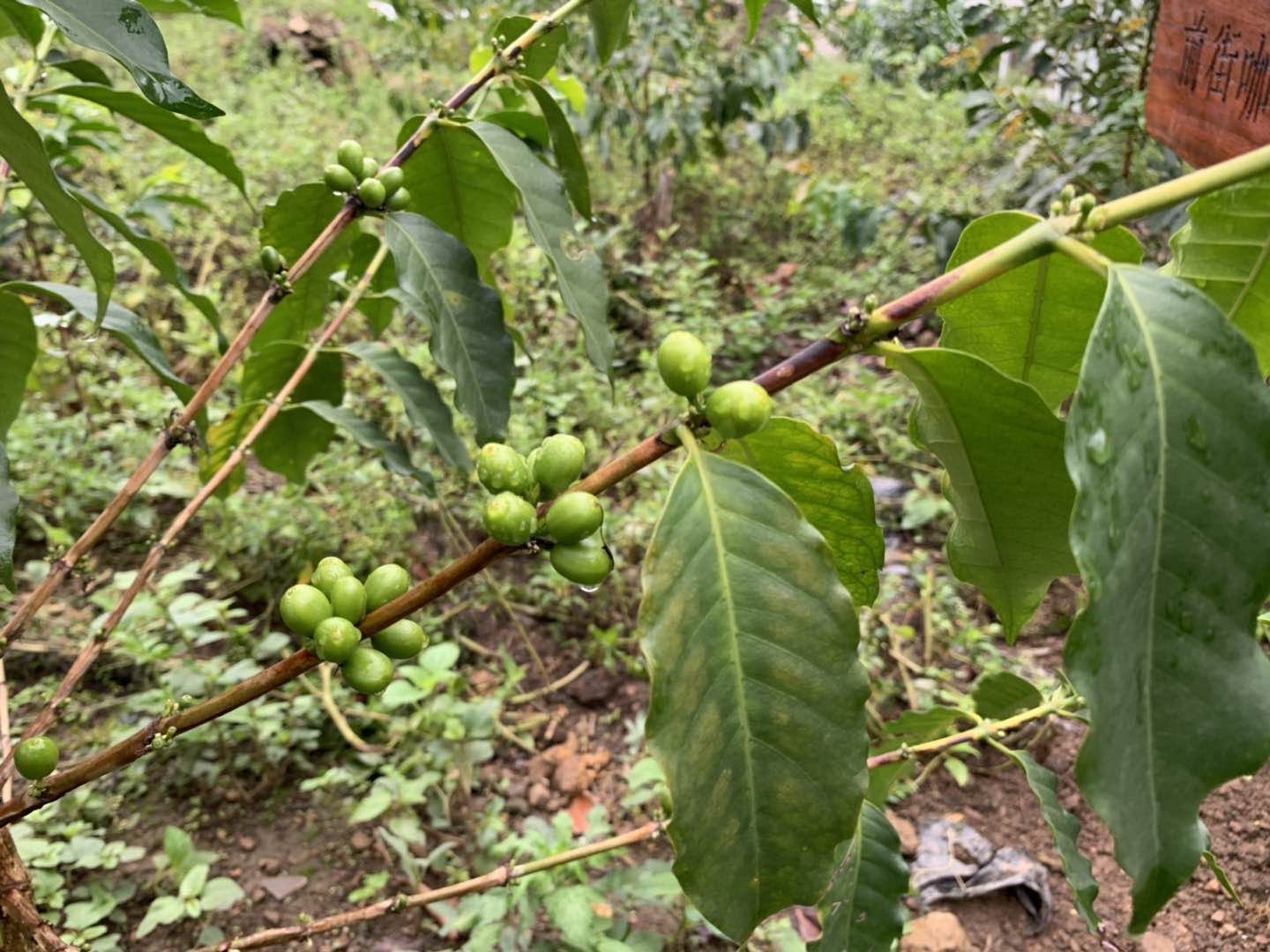
When we look up Yunnan coffee, the term that most often appears alongside it is "small-bean coffee", and the early Yunnan small-bean coffee became famous for the oldest native variety, Typica. Today FrontStreet will talk about what characteristics Typica coffee beans grown in the Yunnan region have.
How did Typica coffee come to the Yunnan region?
The beginning of the Yunnan coffee story can be traced back to 1904, when a French missionary brought coffee seeds from abroad into Yunnan and successfully planted the first batch of coffee trees in a place called Zhukula. Before the 1980s, the varieties widely grown in Yunnan were two ancient small-bean varieties: Typica and Bourbon. The so-called small-bean type refers to Arabica varieties with smaller beans, in contrast to the medium-bean Robusta coffee beans of Hainan.
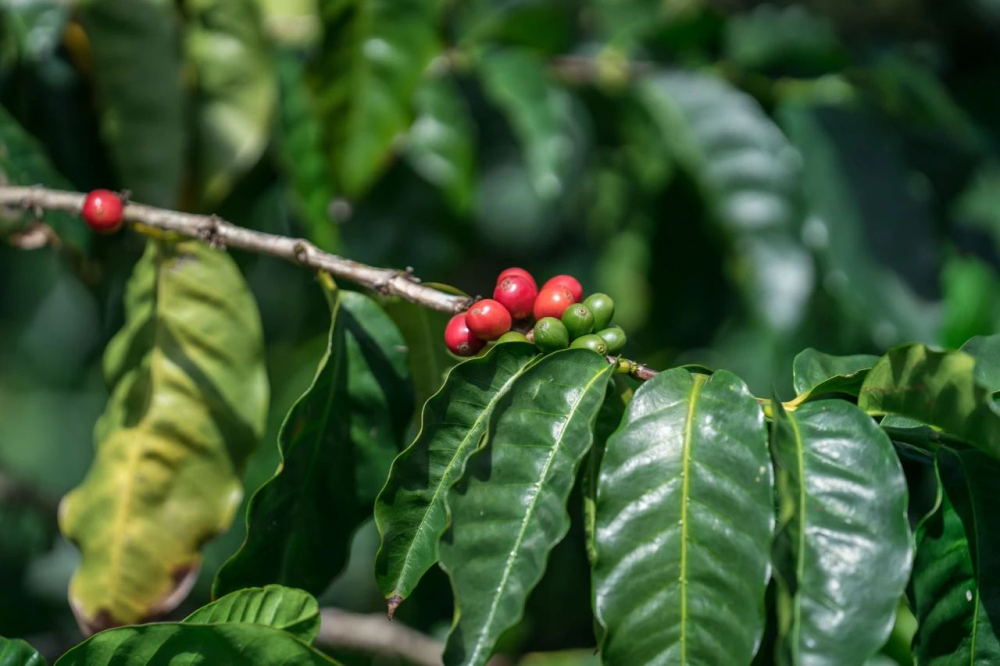
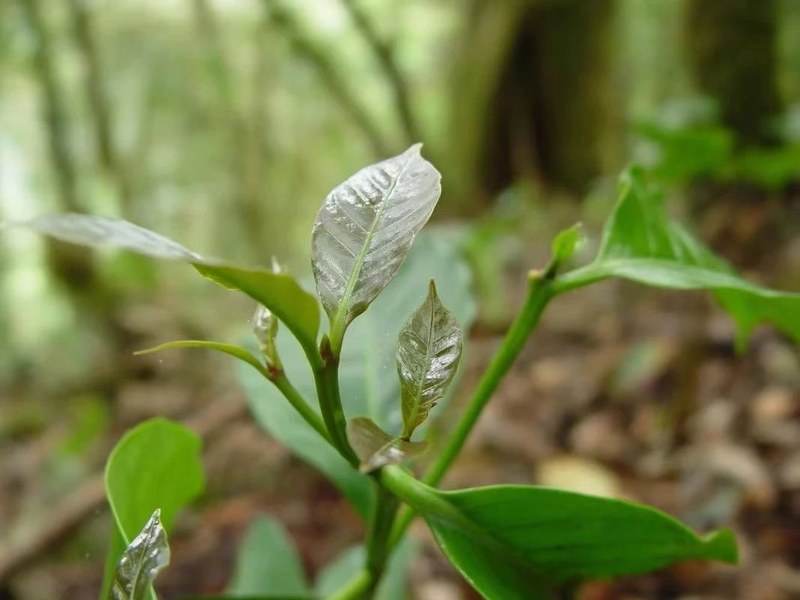
Typica has a rich and varied flavor profile, presenting various fruit acids and a delicate mouthfeel, and is recognized as a high-quality variety; the world-famous Blue Mountain coffee and Hawaiian Kona coffee both belong to Typica. In appearance, the Typica tree is tall and has good cold resistance, but the yield per individual plant is low, and its resistance is poor, making it highly susceptible to leaf rust, coffee berry disease, and nematode disease. Therefore, it requires more manpower for management, and since the variety has little advantage in market selling price, many Yunnan coffee farmers choose to switch to higher-yielding varieties to replace Typica.
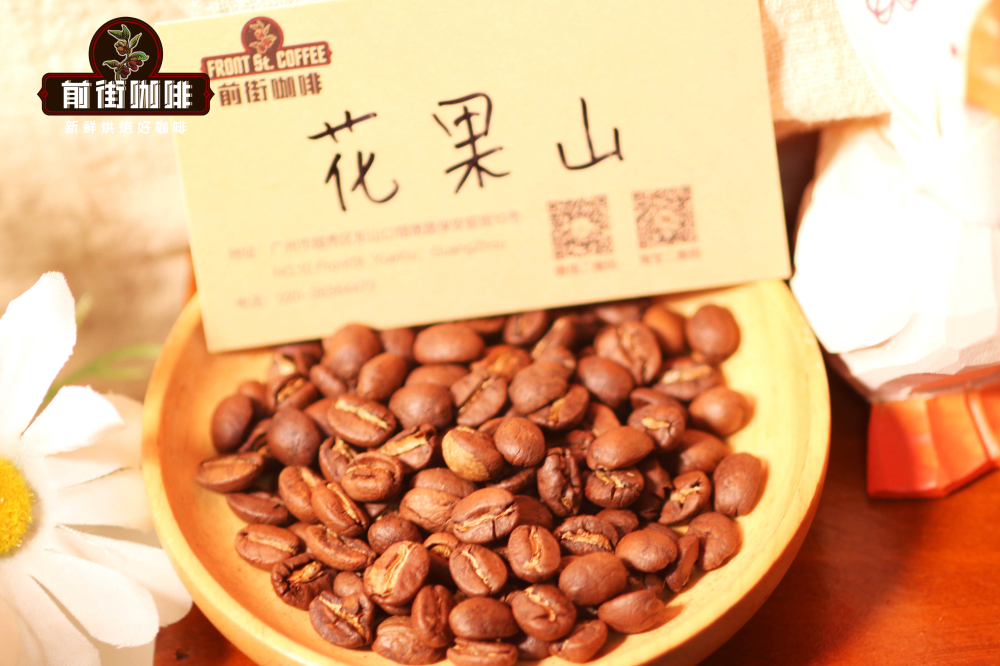
Although Yunnan currently grows mostly Catimor varieties, some growers still insist on planting the old, high-quality Typica variety in pursuit of better coffee flavor. For example, two Yunnan coffees on the Qianjie bean list are both selected from the Typica variety: one is the Huaguoshan coffee from Baoshan, and the other is Qianjie 2013 coffee.
Typica Coffee from Baoshan, Yunnan
Baoshan is one of the earliest coffee-producing regions in Yunnan. Lujiangba has the largest coffee plantation base in the country and Xinzhaicun, known as "China's No. 1 Coffee Village", where every household has coffee trees covering the mountains, coffee beans drying in the yards, and the aroma of coffee wafting through the houses. In the local warm climate with no frost all year round, coffee trees grow vigorously in a nourishing and comfortable environment. Fertile soil plus just the right amount of rainfall brings sufficient irrigation to the crops. The good mountains and good water environment give the coffee beans here little pulp and a clean, sweet taste.

From November to March of the following year is the concentrated harvest season. Coffee cherries ripen and turn red one after another in the mountains, and we can see busy farmers appearing in orderly fashion on the hillsides harvesting coffee fruit. Most Yunnan coffee farmers work under tough conditions and do not have expensive processing equipment, so the vast majority of Yunnan coffee beans generally use natural processing methods, namely washed and sun-dried. Yunnan is rich in freshwater resources, and the harvest season easily meets rainy days, so it is more suitable to produce with washed processing; washed is also currently the most common green bean processing method in Yunnan.
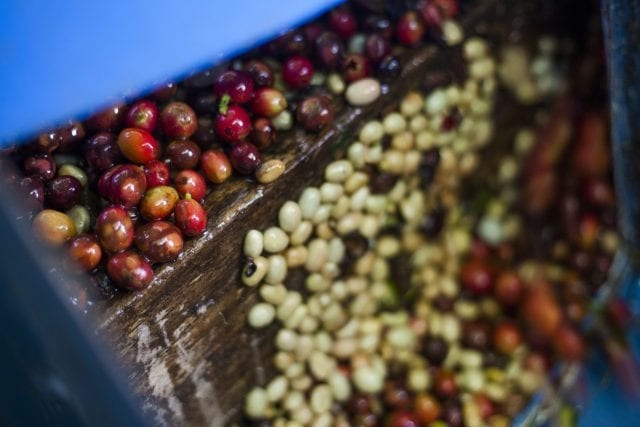
This Qianjie Baoshan Huaguoshan coffee uses washed processing; before drying, the coffee pulp is removed cleanly through depulping, soaking and fermentation, and in flavor it presents the Typica coffee bean's own delicate aroma, as well as a round and smooth mouthfeel, with rich fruity notes. Qianjie believes that washed coffee beans have better cleanliness and can express the basic flavor tone of the region, which is also a natural processing method Qianjie particularly likes.
Typica Coffee from Lincang, Yunnan
In order to explore more coffee knowledge, Qianjie headed to Lincang, Yunnan in 2013 and began its chapter of growing coffee. From site selection, seed selection, seedling cultivation, planting, harvesting, processing and roasting, all were handled by Qianjie's colleagues, and from this a great deal of experience and knowledge related to varieties, altitude and processing methods was summarized.
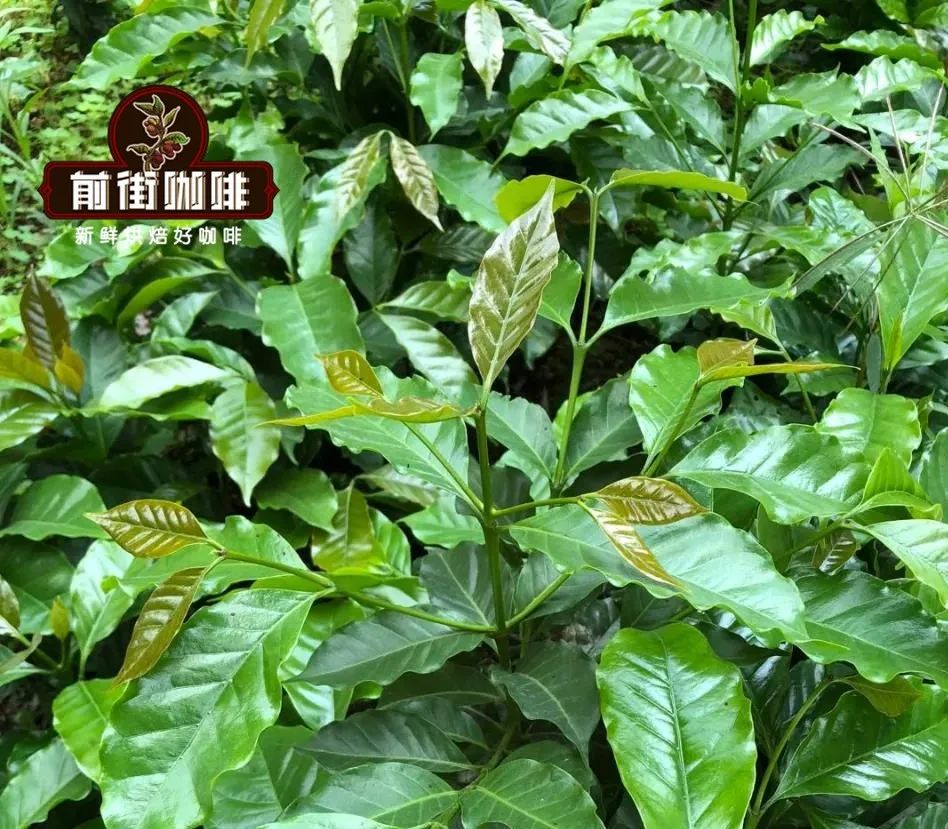
The coffee varieties originally grown in Yunnan were the old Typica and Bourbon, but later Yunnan coffee was hit by global leaf rust, causing large-scale death of coffee trees and a sharp reduction in planted area. Later, with the support of various foreign enterprises, the high-yield, disease-resistant variety Catimor was introduced. This also established Catimor's position in replacing the old tree variety Typica, making it the main variety of Yunnan coffee today. Because Typica coffee beans have low yields, are prone to disease, and also carry high management and care costs, meaning the time growers need to explore is even longer, this is also the reason most Yunnan coffee farmers are unwilling to grow it.
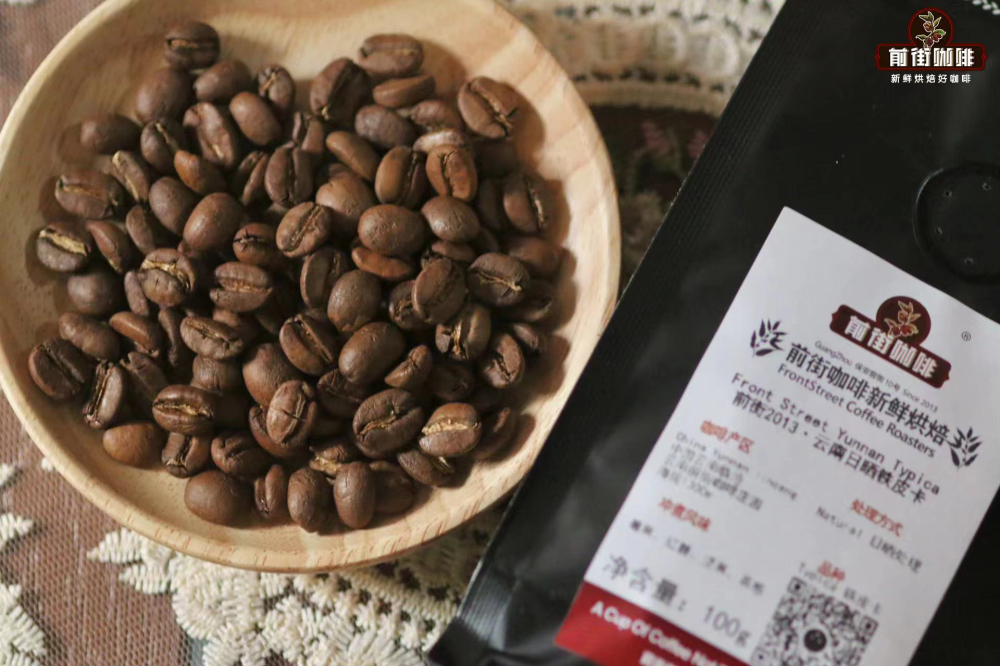
Lincang, Yunnan is influenced by the warm, humid air currents of the Indian Ocean and the southwest monsoon. The division of the four seasons is not obvious, but the dry and rainy seasons are distinct, with more rainfall, long sunshine hours, and a short frost period. Some areas are frost-free all year round, and the vertical climate is obvious, making it very suitable for Arabica coffee cultivation. Therefore, Qianjie specifically chose the most primitive Typica. However, the delicate Typica is also famous for its low yield and poor resistance, so Qianjie put considerable effort into planting and management. After 5 to 6 years of cultivation, Qianjie finally harvested its first batch of results in 2020, produced with the natural dry sun-dried processing method, and also named it "Qianjie 2013".
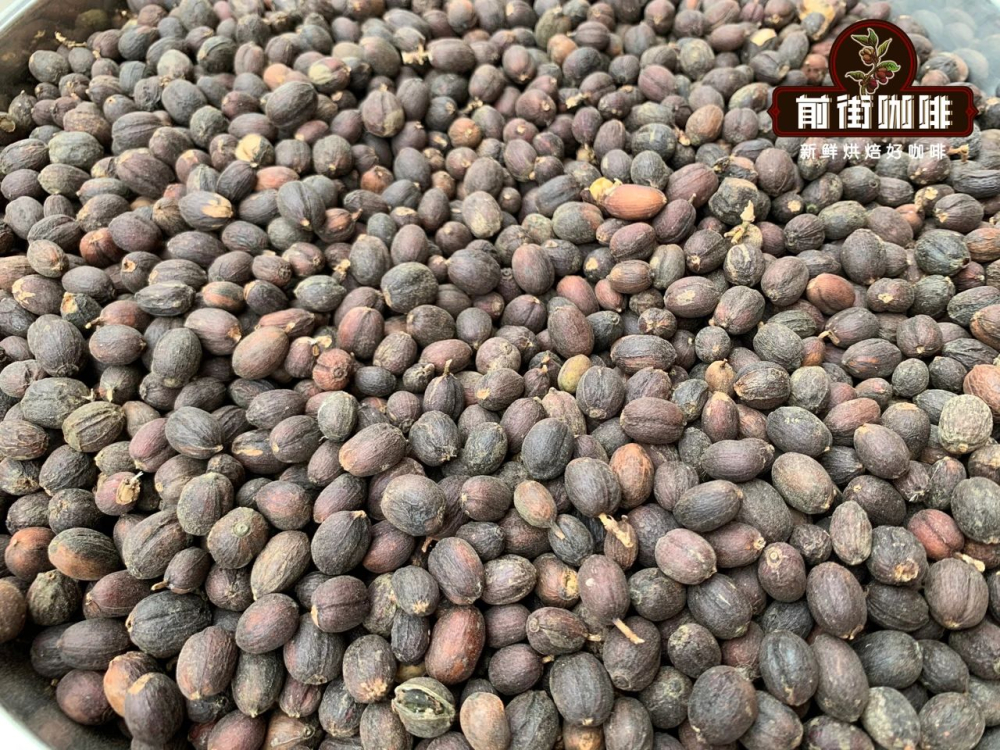
After the Typica coffee cherries grown by Front Street are harvested, they are immediately given a natural process, for the freshness of the coffee. Front Street first sorts them, and flotation is one of the commonly used sorting methods; after sorting, the coffee cherries are dried in the sun. Front Street arranges for staff to turn them at regular intervals, to avoid the coffee fruit being heated unevenly, which would lead to over-fermentation. When the coffee fruit has dehydrated from bright red to dark purple and reached the target moisture content, it can be sent for hulling and roasting. The natural Typica presents a fuller fermented flavor than the washed process, with a prominent sweetness, carrying aromas of caramel, berries and black tea.
Flavor Characteristics of Yunnan Typica Coffee
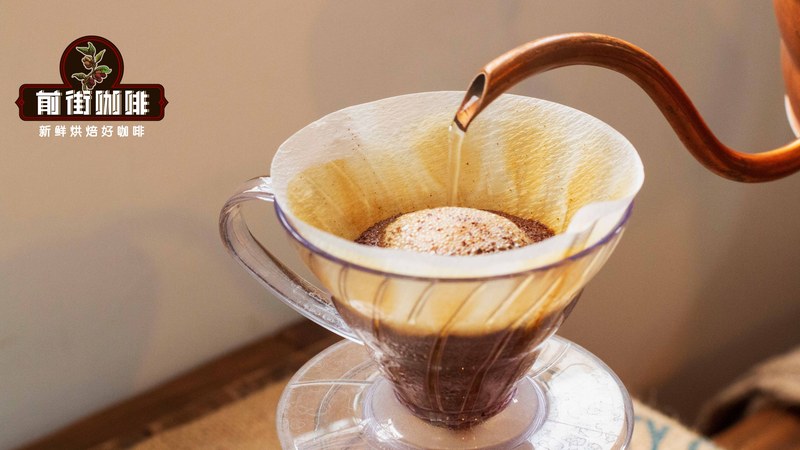
In terms of roasting, Front Street believes that the taste of Yunnan coffee should have a rich coffee aroma while also having a certain amount of acidity, so Front Street uses a medium roast level. For daily cafe output, Front Street extracts by pour-over, hoping to present the coffee's own aroma for everyone to taste. Pour-over black coffee is not only the extraction method used by Front Street Coffee baristas for daily output, but also a method that many coffee people can easily do at home.
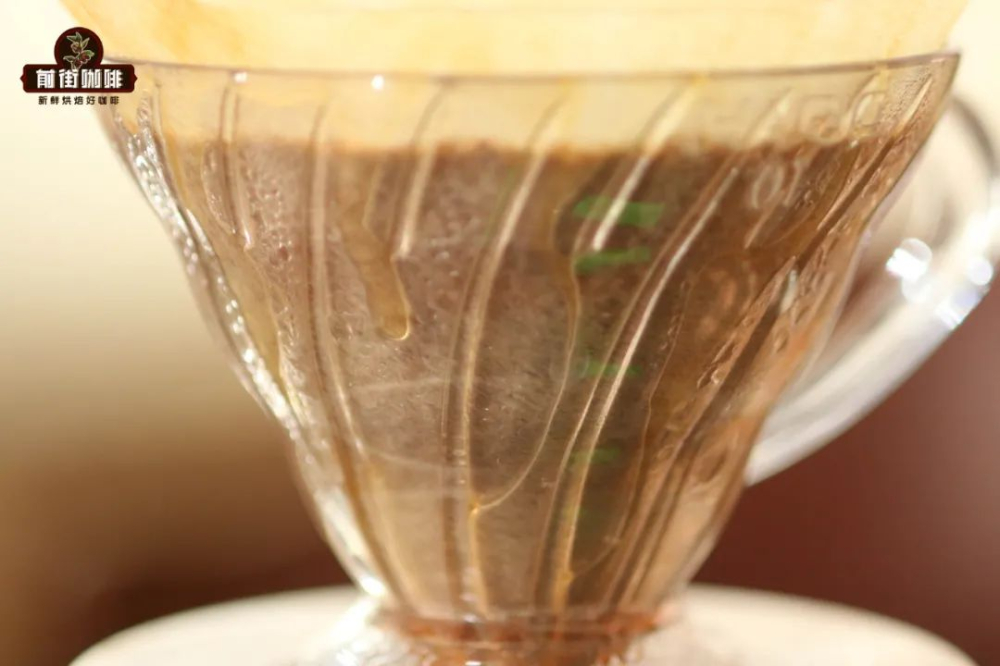
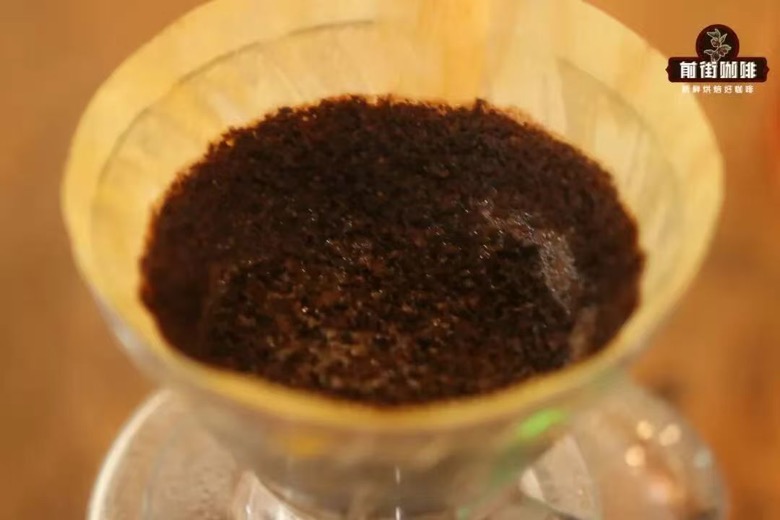
Front Street takes into consideration that Yunnan Typica coffee leans toward a balanced mouthfeel, that is, not too high in acidity and not too heavy in bitterness. Front Street prefers to use a V60 dripper, with a medium-fine grind size and a medium water temperature for extraction, to highlight the neutrality and balance in the mouthfeel of Yunnan Typica coffee beans.
Is Yunnan Typica Suitable for Espresso?
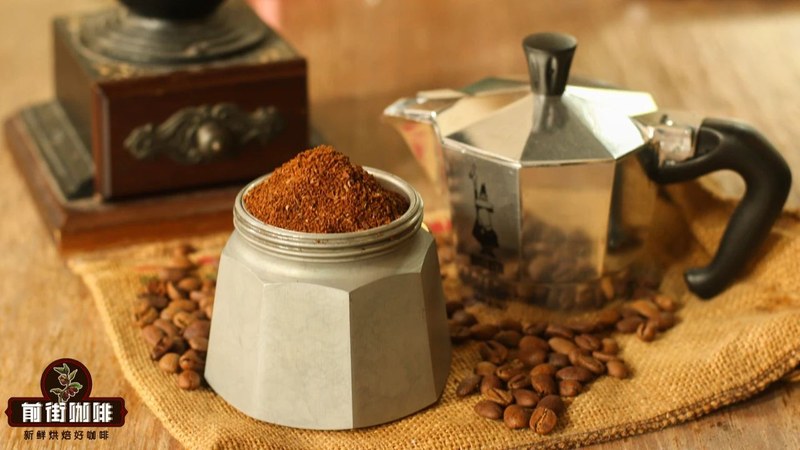
Out of a desire to present the balanced tonality of Yunnan coffee, Front Street presents this natural Typica from its own production as a medium roast, so after grinding it carries aromas of brown sugar, chocolate, cream and nut cookies, with balanced acidity, bitterness and sweetness, so besides the pour-over method, it is also suitable for extraction with a moka pot and an espresso machine; below, Front Street will use the equipment used for cafe output to demonstrate once how to make a delicious Yunnan SOE.

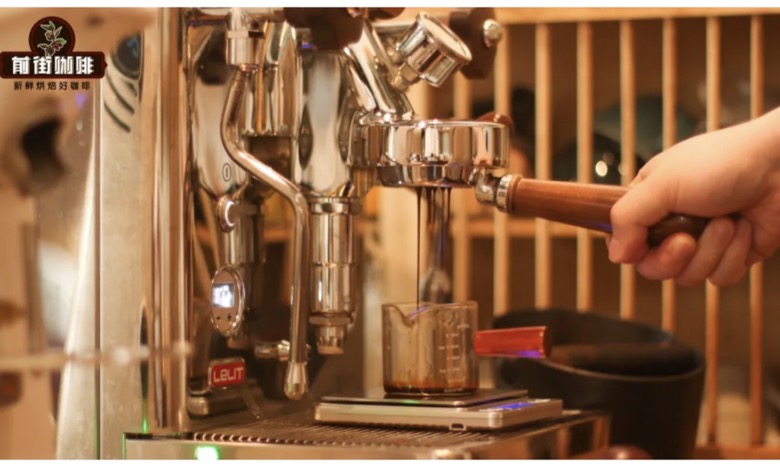
The espresso machine at the Qianjie cafe is a commercial single-group "Lelit Bianca", which can adjust extraction by changing the pressure, with a maximum pressure of 11 bar. A home espresso machine only needs to reach 9 bar of pressure to handle extraction and milk frothing, paired with an espresso grinder.

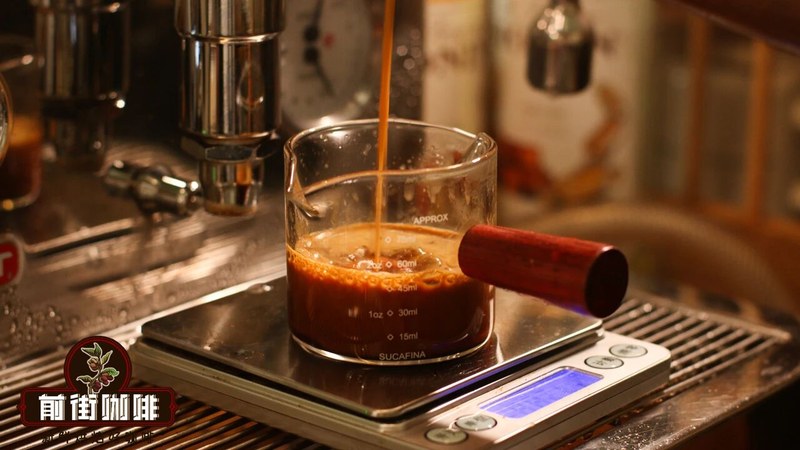
Qianjie uses the capacity of a double basket, with a dose of about 18-20 g, and Qianjie uses 20 g of coffee grounds for its output. Usually the ratio of coffee grounds to coffee liquid is between 1:1.5 and 1:2.5; Qianjie's extraction ratio is 1:2, that is, 20 g of coffee grounds yielding 40 g of coffee liquid. The time is related to the flow rate of the coffee grounds; a single extraction is generally controlled at 20-35 seconds, because within 20 seconds the coffee usually tastes thin, while over 35 seconds it is prone to over-extraction and a burnt, bitter taste. Qianjie's espresso mostly falls in the range of 28-30 seconds.

Qianjie first wipes the basket dry, turns on the grinder, grinds the amount for a double shot of coffee grounds, and places them on a digital scale to add or remove until reaching a weight of 20 g. Next, use a tool to distribute the grounds evenly and tamp the coffee puck firmly to ensure more stable extraction. Then turn on the extraction switch to release water, wetting the brew head while rinsing away the coffee grounds stuck to it, gently lock the portafilter onto the brew head, and start the extraction. When the digital scale shows 40 g of coffee liquid extracted, at about 30 seconds, the extraction switch can be turned off. Pour the coffee liquid into an Espresso cup and it is ready to enjoy.

The taste and mouthfeel of Espresso are related to the coffee beans used, and today this Yunnan sun-dried Typica from Qianjie is made into Espresso, with a moderate crema, an entry of the sweet aroma of chocolate and cocoa, as well as a soft acidity, and an overall fairly balanced mouthfeel.

To better appreciate the charm of this espresso, Qianjie adds a certain proportion of hot water to make it into an Americano. Following a 1:4 ratio, 160ml of warm hot water is added to the espresso. On the palate there are notes of plum, dried apricot, chocolate, and nuts, with a black tea-like finish. It is very pleasant to drink.

Recommended value everyday light-roast pour-over floral coffee beans: Qianjie Ethiopia Yirgacheffe Gedeb, Qianjie Panama Hacienda La Esmeralda Green Label Geisha coffee beans, Qianjie Panama Butterfly coffee beans
Recommended value dark-roast rich and balanced coffee beans: Qianjie Golden Mandheling coffee beans, Qianjie Blue Mountain coffee beans, Qianjie Queen's Estate coffee beans
Recommended value espresso latte coffee beans: Qianjie Classic Blend, Qianjie Strawberry Candy Espresso Blend
The above coffee beans can now be purchased online at the Tmall "Qianjie Flagship Store". Qianjie Coffee has dozens of selected single-origin pour-over coffee beans and espresso coffee beans from around the world. Qianjie coffee beans are freshly roasted, offer great value, are of excellent quality, and ship within 24 hours. Qianjie Coffee is the recommended choice of many coffee lovers and platforms.
Tmall Qianjie Flagship Store link: https://qianjieshipin.tmall.com
Or you can search for "Qianjie Flagship Store" directly on Taobao
Qianjie Coffee store address: No. 315 Donghuadong Road, Yuexiu District, Guangzhou
Related Reading
Comments (0)
Loading comments...
You May Be Interested



Trending Reviews
Popular Videos

With you, wherever you are! We provide useful features to help you find new things you'll love






