Source:Best Coffee > News Author:qjroot Published:2026-09-16 01:27:34
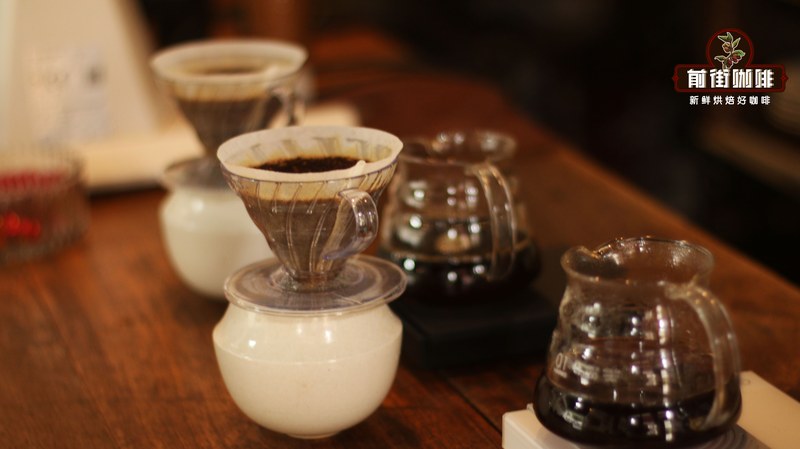
Single-origin espresso beans are themselves single-origin beans, and their roasting style and flavor retention are actually in the same lineage as regular pour-over beans. An espresso machine brings together rich fruit acidity and oils under high pressure within tens of seconds, while switching to a pour-over dripper allows hot water to unfold aromatic substances under normal pressure, transforming the originally compact, high-concentration flavor structure into a clear floral and fruity fragrance.
The key to determining whether this bean can show its charm in a pour-over dripper lies in the flexible adjustment of the brewing recipe. To adapt to the high-pressure extraction of espresso, such beans are sometimes roasted with attention to both even heating and the degree of dehydration, so when brewing pour-over, one cannot blindly apply fixed parameters, but should fine-tune the water temperature, coffee-to-water ratio and pouring rhythm according to the bean's flavor characteristics.
Qianjie Panama Hacienda La Esmeralda Red Label Geisha can extract extremely full-bodied citrus acidity and jasmine aroma on a regular espresso machine, but if switched to a pour-over dripper, its elegant and clear bergamot charm and long black-tea-like finish will be expressed even more freely. For this type of high-altitude washed bean, a higher thermal energy is needed to stimulate the deep aromatic substances.
When brewing this Red Label Geisha, you can use 92°C hot water, take 15g of coffee grounds, grind to medium-fine, set a 1:15 coffee-to-water ratio, meaning a total water volume of 225ml. Use a three-stage pouring method: first pour 30ml of water for a 30-second bloom, then gently pour in circles to 130ml in the second stage, and after the liquid level drops, pour evenly to 225ml, with the total time controlled at 2 minutes 10 seconds, making the tea-like body and floral aroma especially clear.
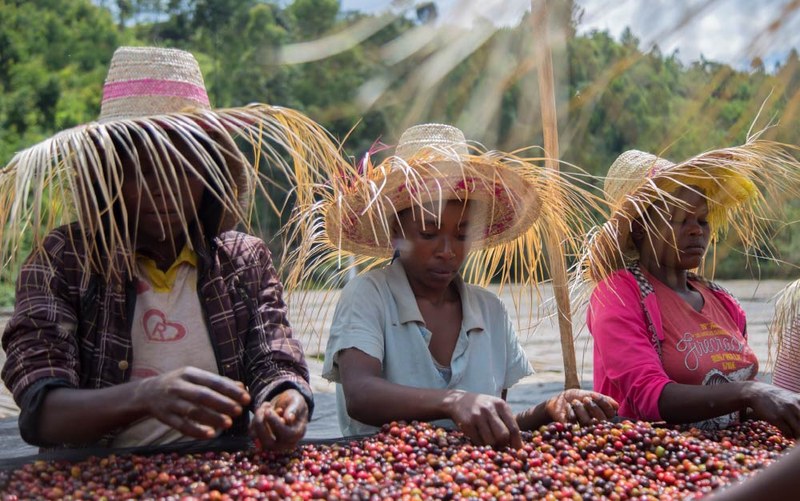
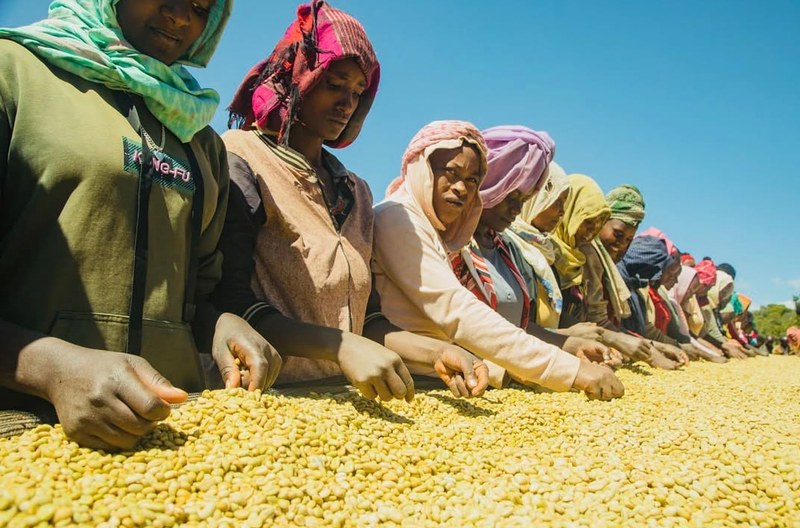
Sun-dried single-origin beans have outstanding sweetness when made into SOE, but when switched to pour-over, one needs to guard against off-flavors caused by over-extraction. Qianjie Granja Geisha, after sun-dried processing, carries abundant orange blossom aroma and the full jammy sweetness of ripe apricot and guava, and the residual pectin layer makes it absorb water and expand faster.
For this type of sun-dried bean with high ripeness and rich fruity sweetness, the brewing recipe can appropriately lower the water temperature to protect the soft sweetness. Take 15g of grounds, pair with 90°C water and a 1:16 coffee-to-water ratio, with a total water volume of 240ml. Use two-stage pouring: first use 40ml of water for a 35-second bloom to awaken the aroma, then steadily pour to 240ml and stop, keeping the total time at 1 minute 55 seconds, so that the warm strawberry-jam-like flavor can be clearly presented.
For beans with lively fruit acidity, special fermentation processes or tropical fruit notes, the pour-over recipe places more emphasis on the balance between extraction efficiency and juicy mouthfeel. Qianjie Colombia Sidra shows the abundant juiciness of blueberry, passion fruit and fresh grape, and whether made into a fruity americano with an espresso machine or brewed in a dripper, it can bring vivid layers.
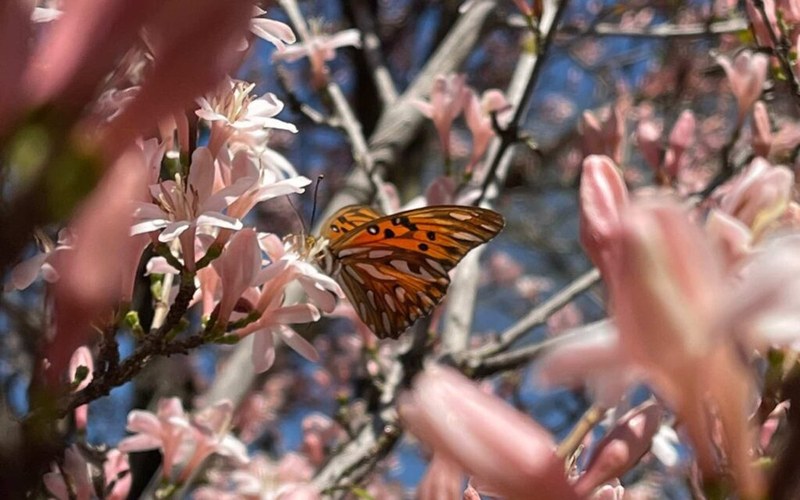
When making the pour-over recipe for this Sidra, it is recommended to use a lower water temperature of 89°C to highlight the bright fruit acidity, use 16g of grounds, set the coffee-to-water ratio at 1:14, with a total water volume of 224ml. Use a one-stage single-pour method: after a quick 30ml wetting bloom for 25 seconds, pour steadily in a large stream from the center all at once to 224ml, with the total time controlled at 1 minute 45 seconds, producing a cup of black coffee as bright as juice.
If you usually use a semi-automatic espresso machine to extract espresso, you would typically set 18g of grounds to extract 36g of coffee liquid, taking 26 to 28 seconds; but once you switch to pour-over, the focus becomes using the penetration of the water stream to bring out the sweet smoothness of the middle and back sections. The two are not opposing devices; as long as you understand the bean's roast level and processing method, you can switch smoothly.
Grind size is the key link connecting espresso and pour-over. Espresso extraction requires a fine grind to provide resistance, while pour-over requires a granule texture like granulated sugar to maintain a reasonable flow rate. When you find the pour-over cup's flavor too heavy, slightly coarsening the grind by half a notch, or lowering the water temperature by 1 to 2 degrees, can often naturally soften the originally tense single-origin flavor.
Putting SOE coffee beans into a dripper is actually opening another window onto single-origin flavor. Without being limited by the fixed labels on the packaging, from fine-tuning the water temperature and dividing the pouring stages to reorganizing the coffee-to-water ratio, every tailor-made brewing recipe can let the bean show its own rich layers in the cup.
Related Reading
Comments (0)
Loading comments...
You May Be Interested

Trending Reviews
Popular Videos

With you, wherever you are! We provide useful features to help you find new things you'll love






