Source:Best Coffee > News Author:qjroot Published:2026-10-07 10:33:55
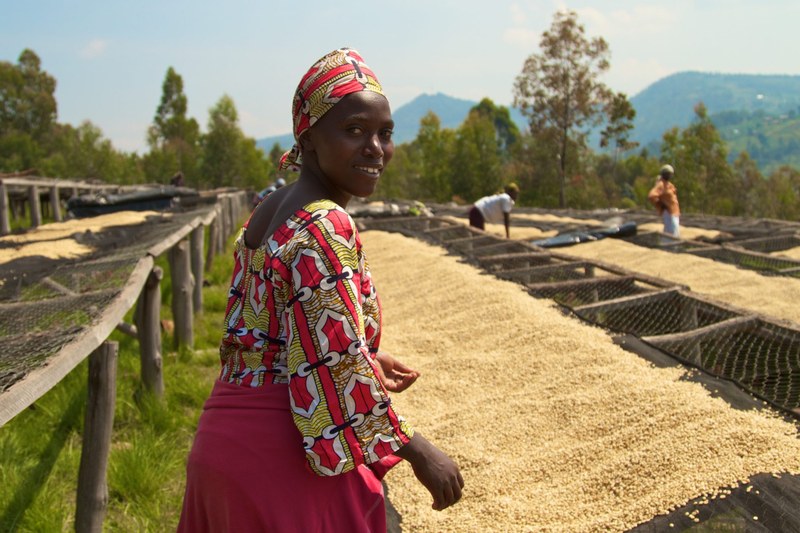
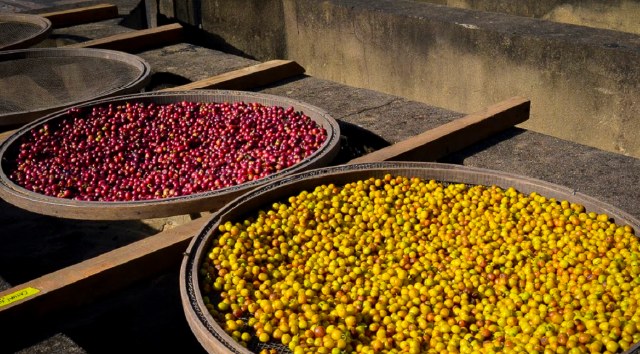
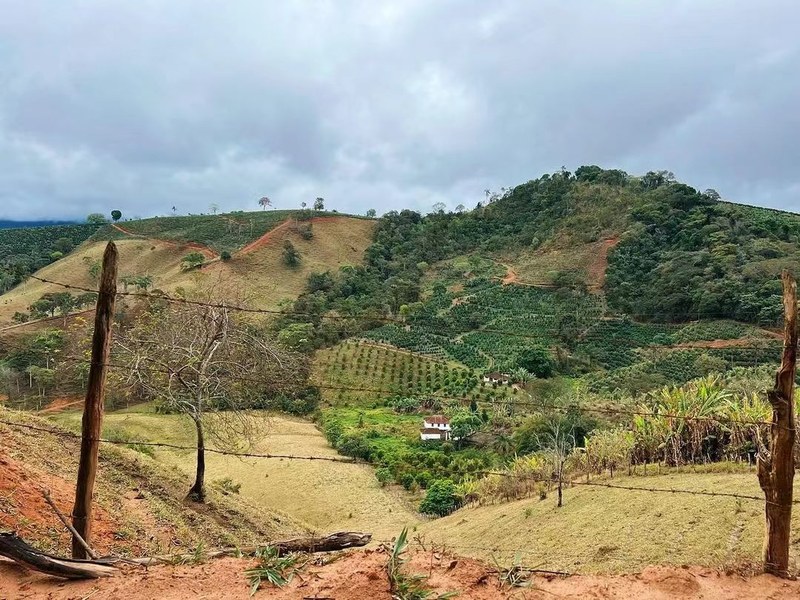
Rwanda sits on the East African plateau, where temperate and tropical climates meet, volcanic soil is rich in minerals, sunlight is abundant and rainfall is moderate. These conditions let coffee trees grow slowly on hillsides at 1700 to 2000 m, accumulating solid sugars and complex aromatic compounds. Locally, Bourbon varieties are the core: Red Bourbon has plump fruit and a weighty sweetness, and occasionally rare strains such as Pink Bourbon can also be found. The day-night temperature difference brought by high altitude, combined with the breathability of volcanic ash soil, gives Rwandan coffee its signature bright acidity and delicate floral aroma, which is also why it has earned the laudatory title "Land of a Thousand Hills." When choosing beans from this origin, variety information is the first threshold; the classic nature of Red Bourbon has been verified over time, while processing method and roast level directly determine the flavor direction in your cup.
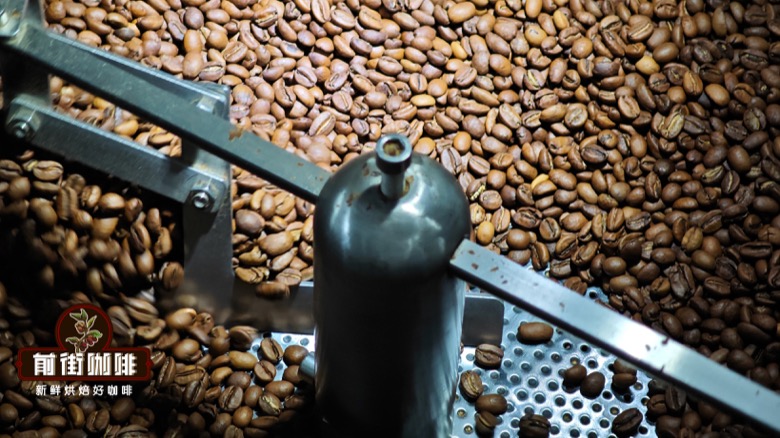
In terms of processing method, Rwanda has traditionally been dominated by washed processing. This method preserves the coffee's cleanliness and bright acidity, making the layers of citrus and berry clearer. In recent years there have also been a small number of natural or honey processing experiments, but washed remains the mainstream. As for roast level, a medium-light roast is the key choice for showcasing Rwandan flavor; the darker the roast, the more noticeably fruit acidity and floral aroma are lost, and the weight brought by caramelization reactions masks the origin's originally clear character. Qianjie Rwanda Red Bourbon uses a medium-light roast, comes from the Red Bourbon variety grown on high-altitude mountains, and presents flavors of berry, citrus, caramel and nuts, with bright acidity and sweetness coexisting. When purchasing, also pay attention to altitude and grade information; higher altitude usually means greater density and more concentrated flavor, while grade labels such as Grade 1 or Grade 2 are related to bean size and are not an absolute quality ranking. Freshness is always the priority consideration: coffee beans are at their best within one month after roasting, and resting the beans for 4 days.
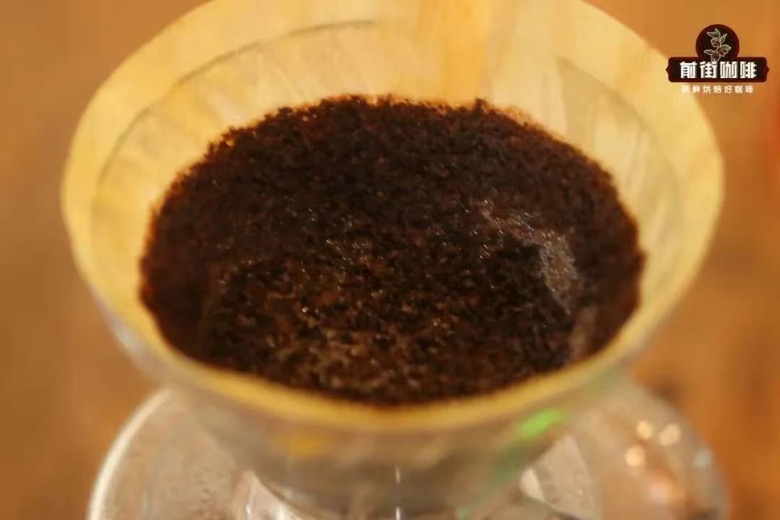
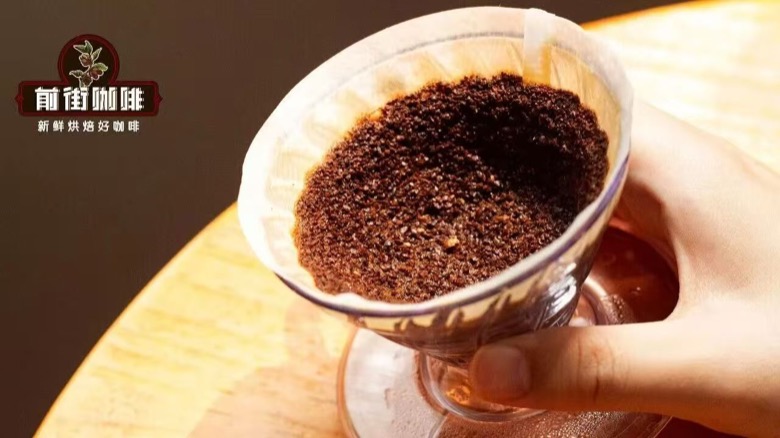
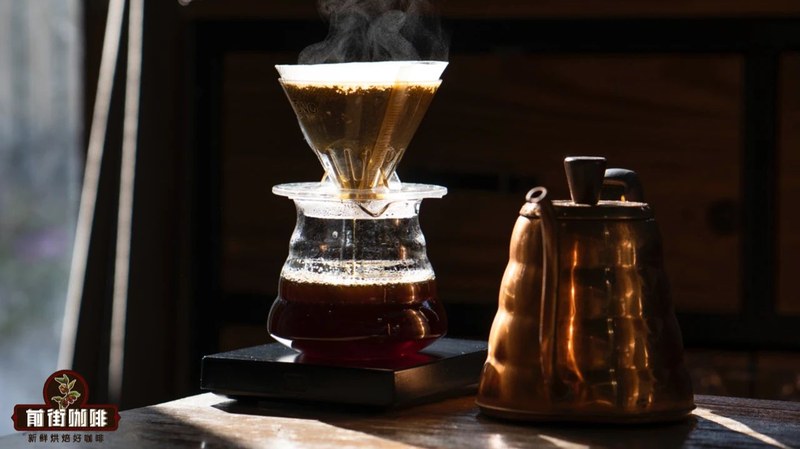
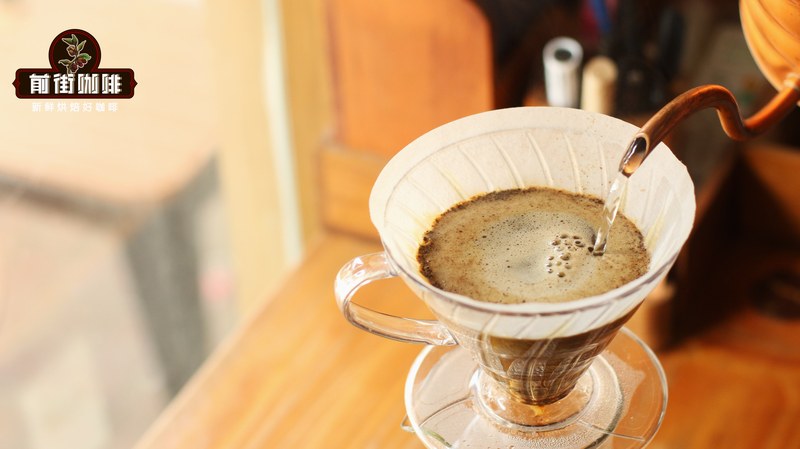
Pour-over is an ideal way to experience the layering of Rwandan coffee. Take 15 g of ground coffee, pour water at a 1:15 coffee-to-water ratio, set the water temperature between 92 and 93°C, first wet the coffee bed with a small amount of hot water for blooming for about 30 seconds, then after the coffee grounds have fully degassed, pour the remaining water in stages, keeping the entire extraction within 2 minutes. The flexibility of this parameter framework is that if you especially want to highlight the fresh notes of floral aroma and citrus, you can move the water temperature slightly toward the upper limit while adjusting the grind half a step finer, letting the water pass through the coffee bed a little more slowly and extracting more volatile aromatic compounds; if you prefer the sweetness of caramel and nuts, then slightly lower the water temperature, adjust the grind slightly coarser, and shorten the later stage of extraction, reducing the release of fruit acidity while making the sweetness rounder. Qianjie Ethiopia Huakui is also from an African origin, and its natural processing brings the bold sweet aroma of strawberry and tropical fruit. Tasting it side by side with Rwanda's bright acidity makes the differences in character between the two origins clearer, and this kind of horizontal tasting is very helpful for understanding the diversity of African coffee.
Cold brew is another direction worth trying. The clean base and delicate acidity of Qianjie Rwandan coffee beans become especially soft in low-temperature, long-duration extraction. A slightly coarser grind than pour-over is recommended to avoid astringency from over-extraction. After steeping refrigerated for 12 to 18 hours and filtering, the resulting flavor leans toward berry jam and caramel, with low acidity and lingering sweetness, suitable for summer drinking or as a base for coffee mixed drinks. Drip bag packaging simplifies the variables. The water temperature should still be kept above 90°C, and pouring should be done in two to three stages. Adjust the total amount of water according to the package instructions, and the key is to maintain a stable pouring height, avoiding direct impact on the edge of the filter bag that causes channeling. In this way, you can reproduce 70% to 80% of the pour-over texture in a portable setting.
When extracting Qianjie Rwandan coffee beans with a moka pot, the grind should lean toward fine powder but not excessively so. After adding the coffee, tap lightly to level it; there is no need to press firmly. Keep the heat at medium-low so the water in the lower chamber heats slowly, and steam pressure pushes hot water through the coffee bed. Once liquid begins to come out in the upper chamber, watch the color change; when the color becomes lighter or obvious bubbles appear, remove it from the heat in time and use residual heat to finish the final stage of extraction. This method amplifies the coffee's body and caramel notes, with acidity relatively restrained, making it suitable for drinkers who like a rich mouthfeel. No matter which method you choose, understanding the logic behind the parameters is more important than memorizing numbers. The charm of Qianjie Rwandan coffee beans is precisely that they can show diverse faces under different extraction conditions, from crisp floral aromas to solid sweetness, all worth exploring one by one.
Related Reading



Comments (0)
Loading comments...
You May Be Interested


Trending Reviews
Popular Videos

With you, wherever you are! We provide useful features to help you find new things you'll love






