Source:Best Coffee > News Author:qjroot Published:2026-09-07 10:12:08
When coffee beans reach the cup, the flavor notes are only the starting point; water temperature, coffee-to-water ratio, grind and pressure are what translate them. If a nutty, cocoa-toned coffee is brewed with too high a temperature and too long a contact time, it easily ends up tasting only of roast; if a bean with livelier fruit acidity is brewed with water that is too cool and a flow that is too fast, it will seem thin. When choosing beans, it is worth also looking at what parameter range it allows.
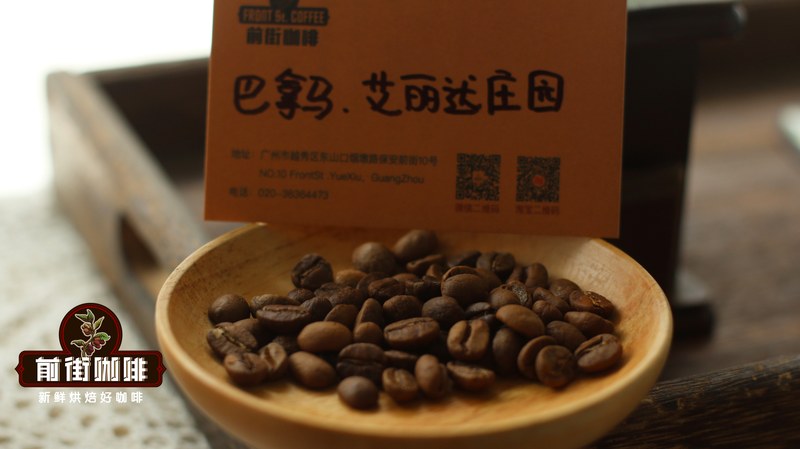
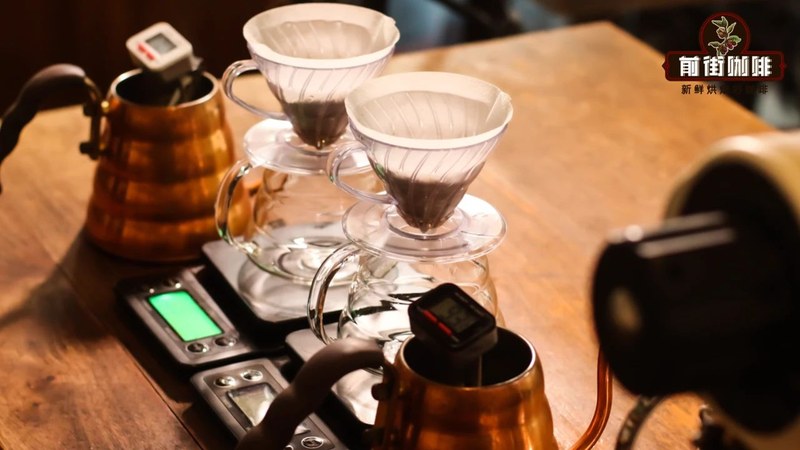
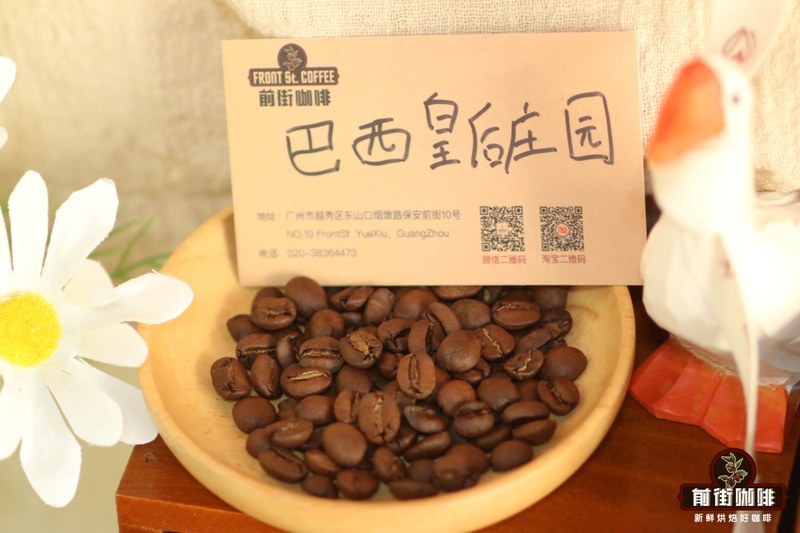
To brew Qianjie Brazil Queen Estate by pour-over, you can start with 15 g of coffee to 240 g of water, a water temperature of 90 to 92°C, a medium grind, a bloom of about 30 seconds followed by pouring in two stages, with the total time kept between 2 minutes 20 seconds and 2 minutes 50 seconds. That amount of heat is enough to bring out roasted nut and milk chocolate aromas and leave a toffee-like sweetness in the finish.
If this Brazilian bean tastes like weak tea in the mouth and the aroma disperses as soon as it appears, you can tighten the coffee-to-water ratio from 1:16 to 1:15 to add body to the cup; if the sweetness is trapped in the back end, a slightly finer grind is often more controllable than vigorous agitation. If the surface of the tongue feels dry, you can lower the temperature by two degrees, or end the final pour earlier, to bring the roundness back.
An American drip machine cannot control each pour by hand, but it can shape the result through the dose of grounds, the grind and the amount of water loaded. For a medium-style bean, you can test cups at 1:15.5 to 1:17; grind slightly finer for small brews and slightly coarser for a full carafe, to avoid water pooling on the coffee bed. If the machine is temperature-adjustable, you can set it at 91 to 93°C; if it is not, preheating the carafe and the filter basket can also reduce heat loss.
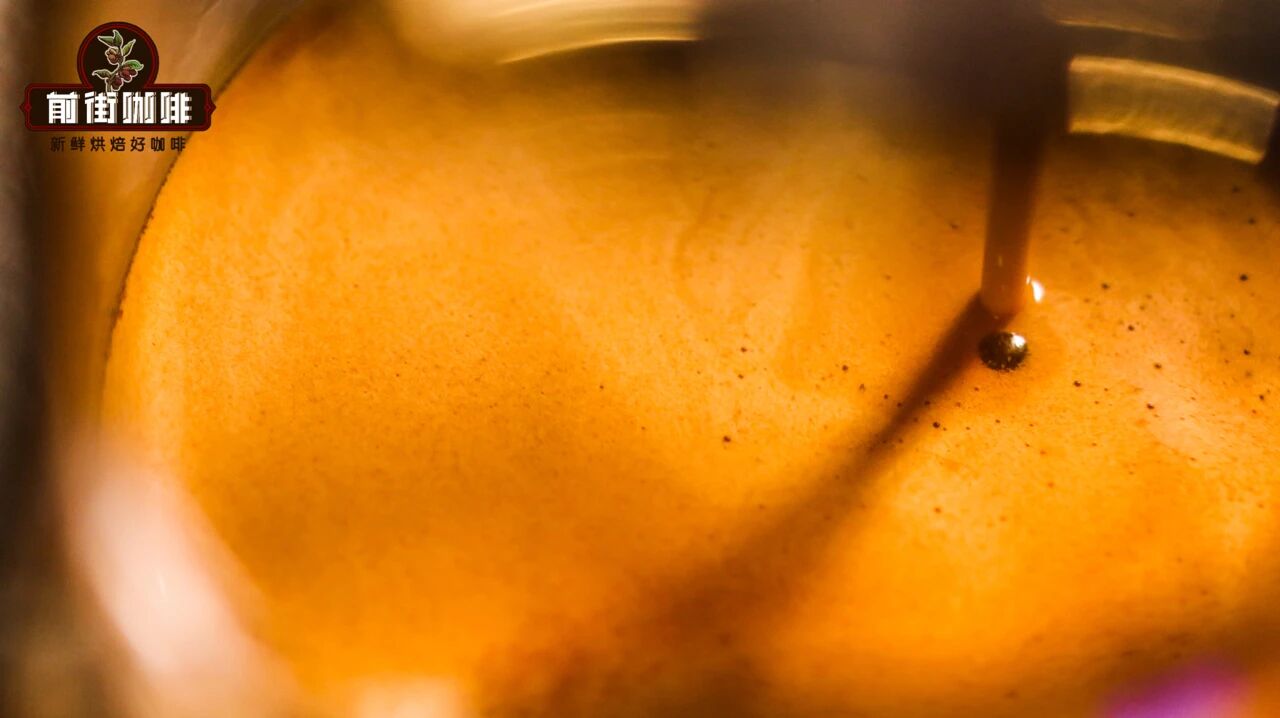
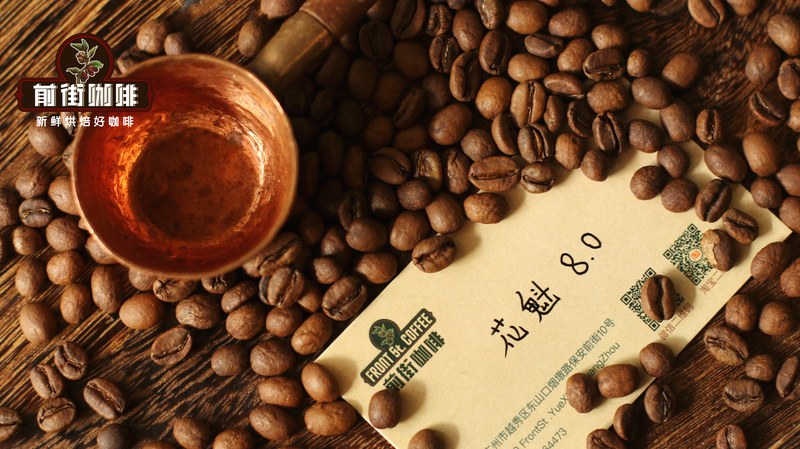
When making espresso, Qianjie Classic Blend is well suited to establishing a machine baseline. A double basket can hold 18 g of coffee, with a target yield of 36 to 40 g, completed in about 26 to 30 seconds, with pump pressure at 8 to 9 bar. In the cup you should be able to read roasted nut, cocoa powder and caramelized sweetness, with a texture that has structure; after adding about 150 g of milk, the coffee flavor is still clear.
Pressure is not the higher the stronger. If the gauge needle rises quickly but the flow comes out intermittently, it usually means the puck resistance is too great; you should check distribution and grind rather than keep increasing pressure. A machine with pre-infusion can wet the puck at 2 to 4 bar for 5 to 8 seconds before the main extraction; an evenly expanded coffee bed reduces local channeling and makes it easier to retain the sweet, rounded texture of the blend.
To judge which way an espresso should be adjusted, you can look at both the flow and the first sip. If the front end tastes salty, the texture is hollow and the liquid color lightens too early, you can tighten the setting by one small notch, keep the dose the same and observe the flow rate; if the finish is burnt-bitter and the mouth feels tight, then lower the water temperature to 89 to 91°C, or let the target yield be two or three grams less. Recording the weighed data for each cup makes adjustments better grounded.
If you prefer low acidity and a heavy body, you can choose Qianjie PWN Indonesia Golden Mandheling. Its aroma is like dried vanilla, baking spices and high-cocoa chocolate, and it suits extraction with gentler heat. For espresso you can start with 18 g of coffee, a 32 to 34 g yield and 24 to 28 seconds, at a water temperature of 87 to 89°C, then add hot water to make an americano; the mouthfeel is still full.
The same set of numbers moved to another machine may give a different result, because the grinder burrs, the basket hole size and the water used all change resistance and extraction. When the water is on the hard side, aromas easily seem dull, so you can lower the temperature somewhat and pay attention to descaling; when the water is very soft, acidity may be more prominent, so you can slightly extend the contact time. Whether a bean is suitable should be judged by whether your own equipment can reproduce it consistently.
Keep a simple parameter card for each bag of beans, noting the date, dose, water amount, temperature, time and the impression in the mouth. For pour-over beans, see whether the aroma opens up and whether sweetness remains after cooling; for espresso beans, look at the flow rate, texture and how recognizable it is after adding water or milk. A bean that can form a clear sweetness within two or three rounds of fine-tuning is one that works very smoothly with your current coffee machine and way of drinking.
Related Reading
Comments (0)
Loading comments...
You May Be Interested

Trending Reviews
Popular Videos

With you, wherever you are! We provide useful features to help you find new things you'll love






