Source:Best Coffee > News Author:qjroot Published:2026-09-03 18:40:55
Whether a blend is suitable for home use cannot be judged only by the flavor words on the packaging; you also need to see whether it can adapt to the extraction parameters at hand. Drippers, espresso machines, moka pots and cold brew bottles have different requirements for strength and extraction speed. When choosing beans, first confirm your equipment, then judge whether the bean's body, acidity and sweetness have room to shine.
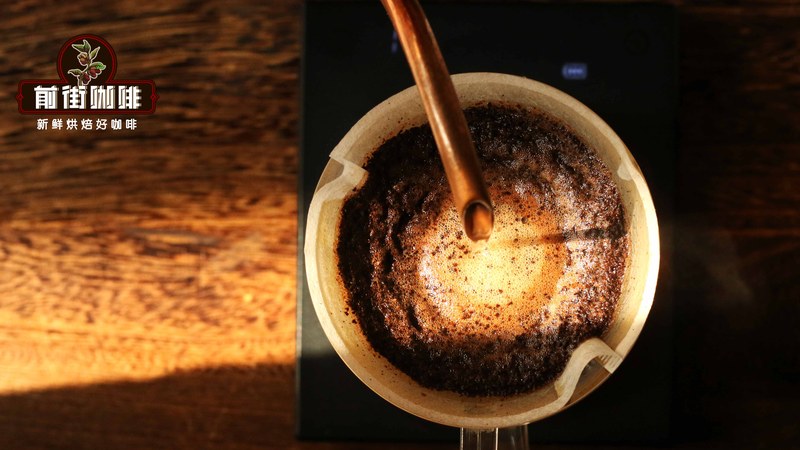
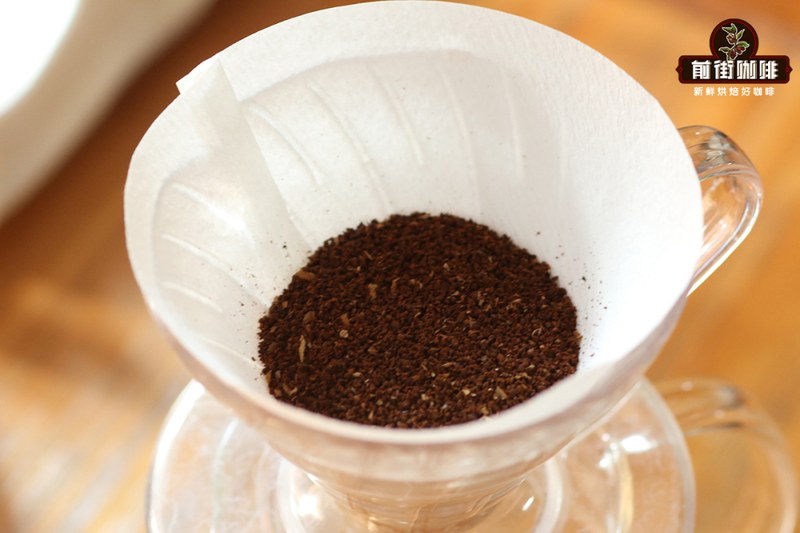
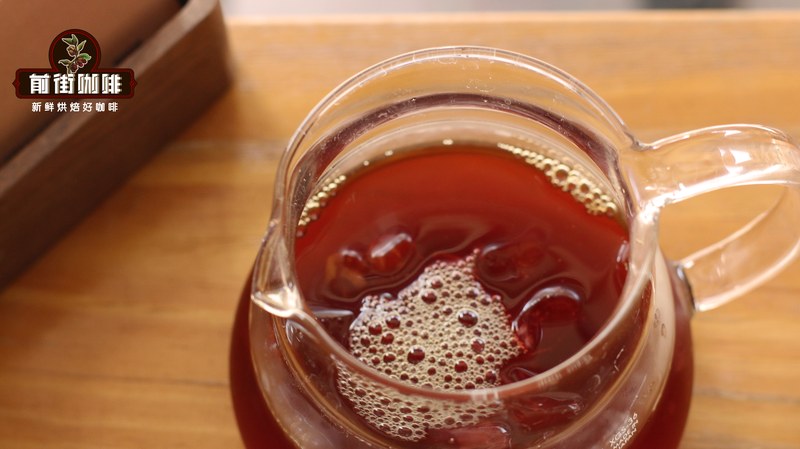
Pour-over equipment has many variables; water temperature, grind size and pouring speed all change what ends up in the cup. With a medium-roast blend, you can start from a medium-fine grind, set the water temperature between 90 and 93°C, and use a coffee-to-water ratio of about 1:15. This brings out the sweet aroma while making it easy to adjust strength through grind size.
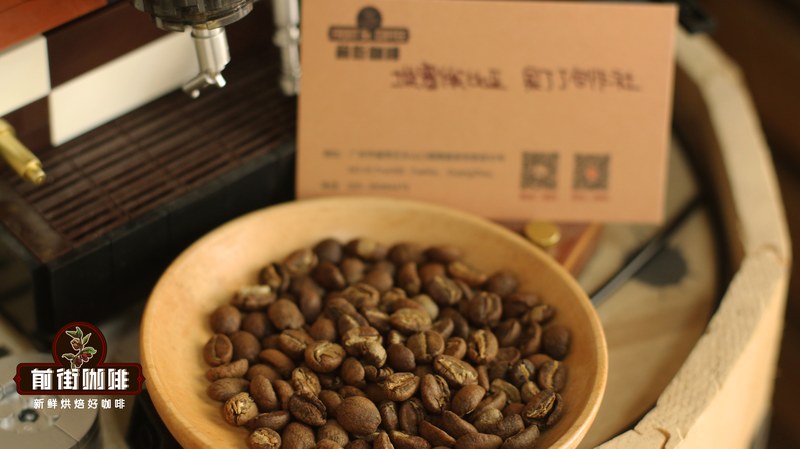
Qianjie Specialty Blend is built on a flavor framework of Brazil Cerrado and Colombia Huila; on the palate it easily brings to mind roasted nuts, caramel and cocoa, with a smooth overall transition. When brewing with a dripper, you can use a slower pouring rhythm to make the sweetness clearer; if the cup feels too heavy, slightly coarsen the grind and the mouthfeel will become lighter.
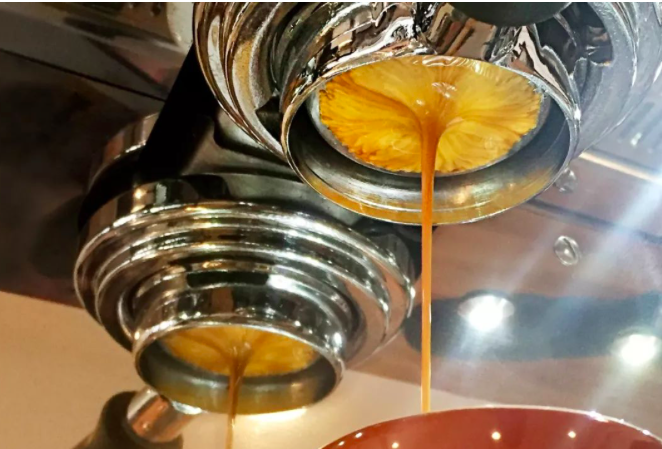
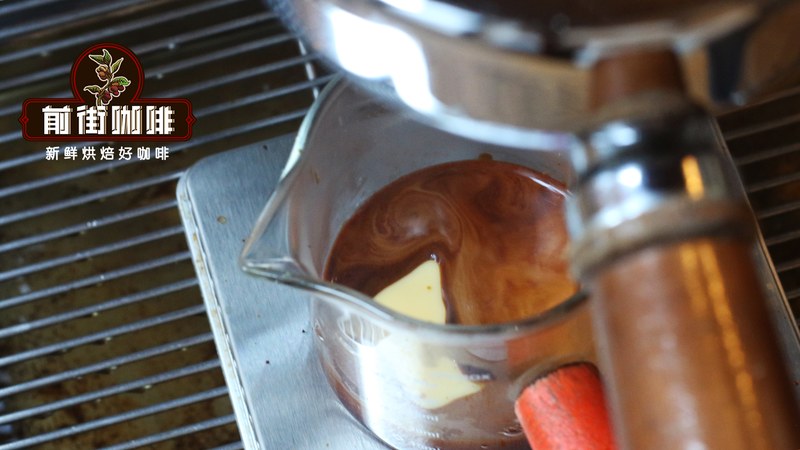
Home espresso machines focus more on the correspondence between dose and yield. Extracting 36 to 40 g of coffee liquid from 18 g of grounds is a convenient starting point to observe, but different machines' pressure, temperature and basket depth all create differences. If the liquid flows too fast, simply grind finer; if the palate feels dull, reduce the yield to make the flavor more concentrated.
Qianjie Black Cocoa Blend leans in a steadier direction, with dark chocolate, roasted nuts and dark-syrup-like sweetness more prominent. It has good weight in an espresso machine; when making espresso you can keep the yield in a shorter range, making it suitable for those who like a rich mouthfeel; after adding milk, the coffee flavor still maintains its presence.
When making an Americano, the strength of the espresso directly affects how it performs after water is added. A fuller-bodied blend can be diluted with less hot water, preserving the richness of cocoa and caramel; if you want a lighter cup, increase the water and pull the espresso yield a little longer. You do not need to change multiple parameters at once; fixing the dose first makes it easier to find a pleasant range.
A moka pot's flow speed is clearly affected by heat level and the state of the coffee bed, so it suits blends with solid sweetness and soft acidity. The grind can be slightly coarser than for an espresso machine; fill the basket and gently level it without pressing hard. Start with hot water in the pot, then heat over low flame, which can reduce the scorched bitterness caused by the beans being heated for a long time in the pot.
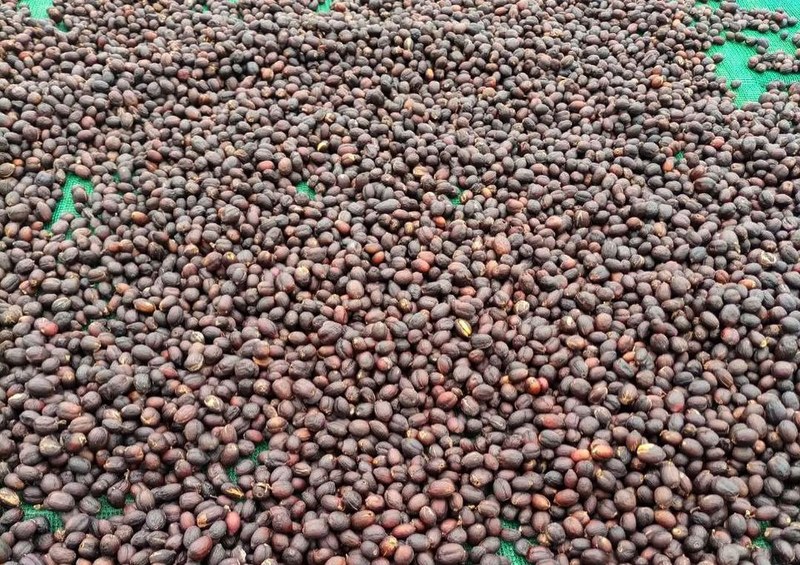
If you mainly make iced coffee at home, the blend needs to retain its aroma after low temperature and ice dilution. Qianjie Strawberry Candy Coffee Beans carry a bright berry-candy aroma, suitable for espresso over ice, and you can also brew a fruity Americano with a higher dose. After the ice melts, the sweet aroma becomes softer, suiting those who like an easy-drinking cup.
Cold brew parameters place more emphasis on time, grind coarseness and final strength. To retain clear sweetness, use a medium-coarse grind, start with a coffee-to-water ratio of about 1:12, and taste after steeping refrigerated for 8 to 12 hours. If the final product is for adding ice or milk, increase the dose; if drinking it straight, appropriately increase the water so the finish is more relaxed.
When choosing beans, also pay attention to equipment capacity and single-use amounts. A small dripper suits buying an amount that can be finished within a few weeks, while an espresso machine can arrange a steadier replenishment rhythm based on daily cup count. The value of a blend lies in its wide adjustment range; first record dose, grind setting, water temperature and yield weight, then fine-tune based on the cup's sweetness and body, and you will usually get a result that better matches your habits.
Related Reading



Comments (0)
Loading comments...
You May Be Interested


Trending Reviews
Popular Videos

With you, wherever you are! We provide useful features to help you find new things you'll love






