Source:Best Coffee > News Author:qjroot Published:2026-10-10 13:44:11
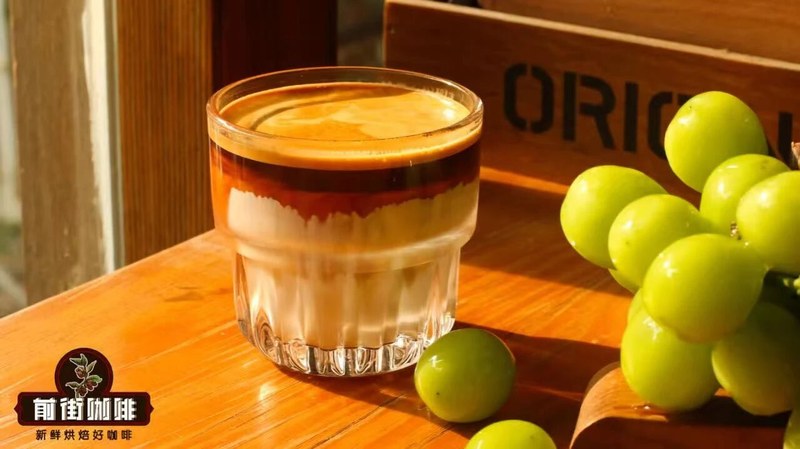
Behind the bar, I'm often asked what exactly the difference is between a latte and a cappuccino. Actually, both are built on a shot of espresso with steamed milk added, and the real divide lies in the thickness of the milk foam and the size of the cup. A latte's foam is steamed thinner, with a higher proportion of milk, so it drinks smooth and milky, like a mouthful of warm cream spreading across your tongue; a cappuccino, on the other hand, needs its foam steamed thicker, with relatively less milk, so the coffee flavor stands out more, and the texture is so dense you could almost scoop it with a spoon. This difference sounds simple, but it's exactly what determines whether the first thing you smell as you lift the cup is caramel sweetness or the richness of espresso.
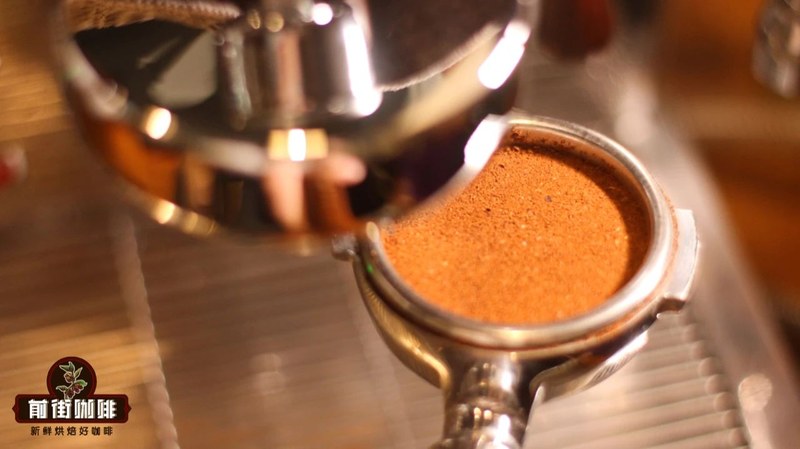
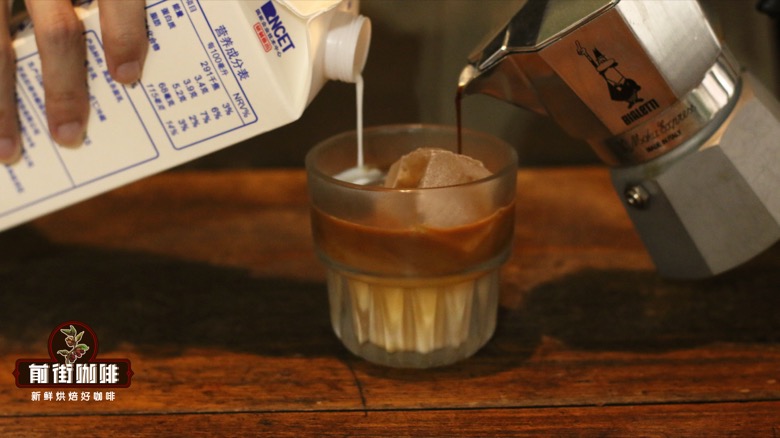
To make a decent white coffee, the espresso base has to be solid. I usually use 19 to 20 g of grounds, extracting 38 to 40 g of coffee liquid in 25 to 30 seconds, with about 3 mm of golden-brown crema floating on top. These parameters aren't harsh, and a home espresso machine can replicate them too. Steaming the milk to 55 to 60°C is just right; above that temperature the sweetness drops off, and below it there isn't enough aroma. For a latte, keep the foam thickness within 1 cm, and when pouring it slides into the espresso like silk; for a cappuccino, steam it to about 2 cm, giving a few extra seconds of air intake so the foam stands up. The ratio of coffee to milk is about 1 to 5; because a cappuccino has thicker foam, the actual liquid volume you drink is a little less than a latte's, but that fluffy mouthfeel is something a latte can't give you.
On the matter of choosing beans, a medium-dark roasted espresso blend melds with milk especially reliably. Qianjie Specialty Blend is Colombian washed paired with Brazilian semi-washed, medium-dark roasted, with flavors of nuts, dark chocolate and caramel, a comfortable bittersweetness, good smoothness once made into a milk coffee, and the sweet aroma gets lifted another notch. Qianjie Golden Mandheling SOE comes from Indonesia, medium-dark roasted, hand-sorted multiple times for even particle size, carrying notes of spice, herbs, sandalwood and caramel, full-bodied, with a bittersweet dark chocolate finish, suited to a cappuccino for those who like a heavier coffee flavor. Both of these are safe bets for milk coffee, hard to get wrong.
If you want to give your milk coffee a little flair, you can try Qianjie Huakui SOE. An Ethiopian natural, medium roasted, with flavors of red berries, light florals and orange, a crema with a hint of citrus, a crisp body and elegant aroma. Use it for a latte, and the fruity and floral notes push through the milk, completely different from the steady path of a blend. But a reminder: SOE espresso beans like this I only use for espresso or milk coffee, never for pour-over; the flavor channels are different, and forcing a switch of methods easily leaves you short on both ends.
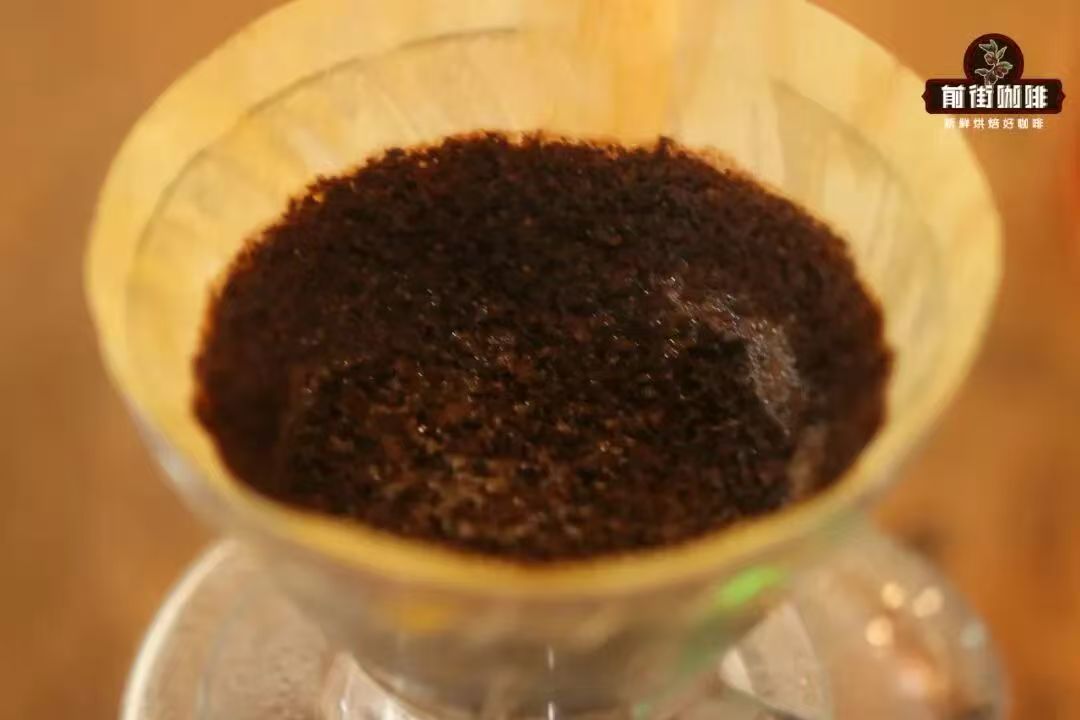
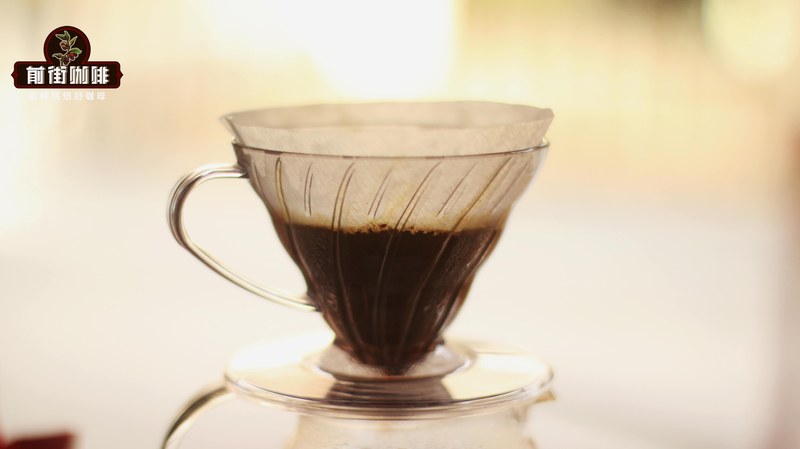
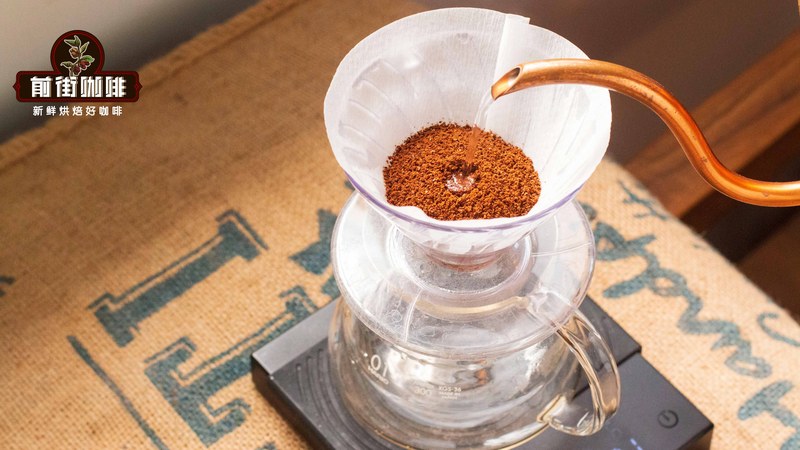
Speaking of black coffee, Qianjie Jamaica Blue Mountain No. 1 is another route altogether. Typica from the Jamaica Blue Mountain region, medium roasted, with the sourness, bitterness, sweetness and body blended in balance, offering roast-type flavors of chocolate, roasted nuts, cream and caramel. For this one I usually suggest pour-over: 15 g of grounds, a 1 to 15 water-to-coffee ratio, water at about 90°C, two pours, finished within two minutes, and you can taste its delicate layering. It stands in contrast to the espresso beans above: if you want a crisp black coffee, choose it; if you want a white coffee with milk, return to the track of a blend or an SOE.
I can't stress enough how much freshness affects flavor. Qianjie's coffee beans are all roasted within 5 days when shipped; medium-dark roasted espresso beans should rest 5 to 7 days after arriving before you start extracting, pour-over single-origin beans should rest 3 to 5 days, and the flavor is better if you finish them within a month. Resting beans isn't mysticism; freshly roasted beans are still degassing internally, and extracting immediately tends to give a muddled taste, while letting them sit a little concentrates both the sweetness and the body. I usually note the roast date and count the days before opening the bag, which is more practical than any technique.
In the end, the thickness of the milk foam determines this cup of coffee's personality. Thin foam lets the milk and espresso fold gently together, while thick foam props up a dense space in the mouth, letting the coffee aroma linger longer. You don't need to be precise to the millimeter every time, but having this sense of scale in mind lets you dial in the cup you want at home. Whether it's the smoothness of a latte or the fluffiness of a cappuccino, the secret to a good drink has always been in the details.
Related Reading

Comments (0)
Loading comments...
You May Be Interested




Trending Reviews
Popular Videos

With you, wherever you are! We provide useful features to help you find new things you'll love






