Source:Best Coffee > News Author:qjroot Published:2024-09-15 18:43:30
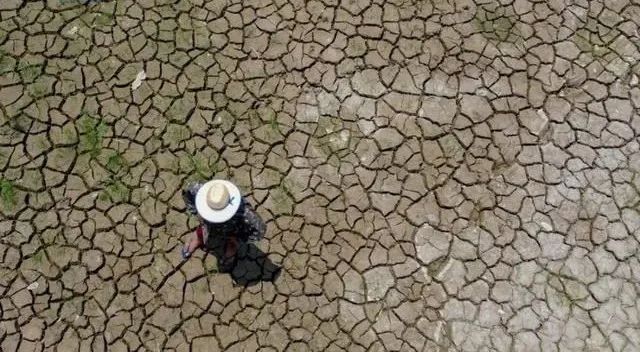
According to local Brazilian media reports, after entering September, the drought and fire situation in Brazil has still not been well controlled, and has recently shown a trend of worsening. According to the reports, the drought situation in Minas Gerais state in southeastern Brazil is very severe. Multiple cities in the state have had no rainfall at all for a period of time, and the city with the highest record has gone 158 consecutive days without rainfall. The well-known Bom Despacho waterfall has dried up.
Earlier, it was already reported that at the end of August, a severe fire occurred in Sao Paulo state, Brazil, with 46 cities entering a 180-day state of emergency. By early September, it was reported that the fire situation had been brought under control, but recently it was reported again that 12 cities were once again hit by fires, and they have still not been fully brought under control. As the fires continue, they have dealt a heavy blow to the local economy.
According to the secretary of the Sao Paulo State Department of Agriculture, agriculture is the focus of Sao Paulo state. Since this round of fires was mainly concentrated in sugarcane plantations, coffee plantations and livestock farms, and the smoke and other secondary hazards brought by the fires are affecting subsequent agricultural production, the losses are currently estimated at about 2 billion reais.
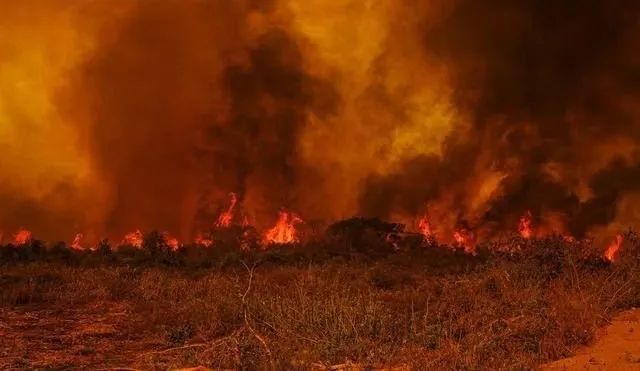
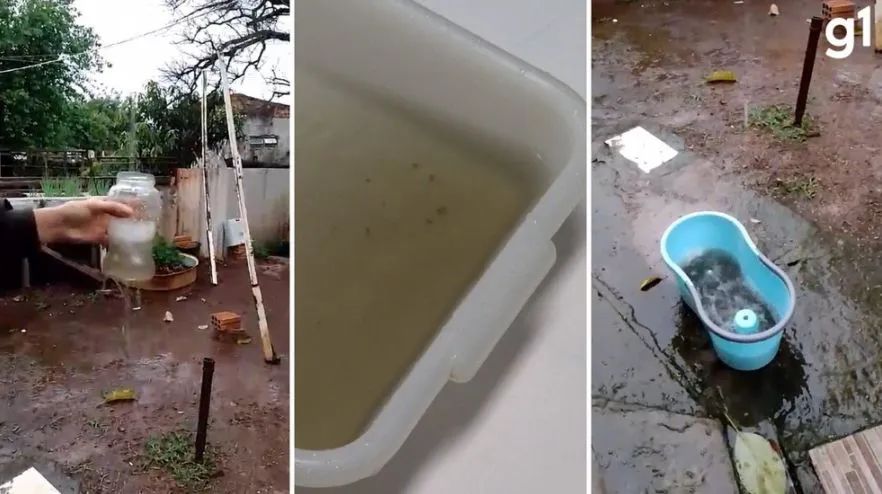
In addition, many places in Sao Paulo state are currently shrouded in smoke, air quality is very poor, and visibility is extremely low, affecting residents' daily travel and part of the transportation industry, and seriously threatening the lives and safety of local residents. According to a warning issued by Brazil's meteorological bureau, a cold front will arrive recently, but because Brazil is still in a very hot and dry state, and there are large amounts of suspended pollutants in the air, the phenomenon of "black rain" will occur in five states: Rio Grande do Sul, Santa Catarina, Parana, Sao Paulo and Mato Grosso do Sul.
"Black rain" refers to a rainfall phenomenon. The color of this rainwater does not necessarily always appear black, and it is not very noticeable on the surface, but this rainwater contains extremely high levels of harmful pollutants, and generally occurs near industrial areas, fires or places where large amounts of fossil fuels are burned. When "black rain" falls to the ground, it will impact the quality of groundwater sources and the vegetation in nearby areas, and can cause the surfaces of some buildings, vehicles and infrastructure to corrode.
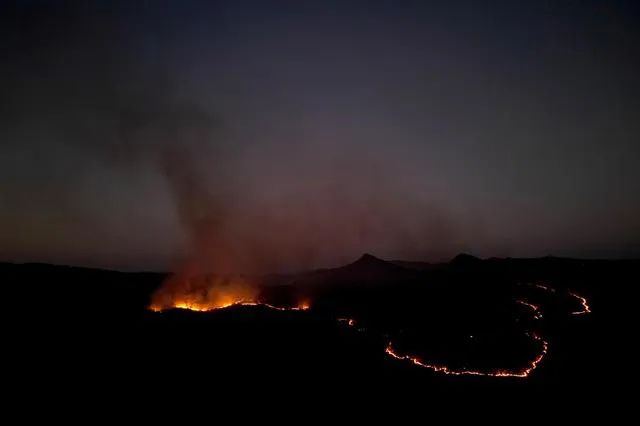
According to the latest reports, the fires have also spread to southeastern Brazil. The environmental department of Rio de Janeiro state in Brazil reported that, as of early September, more than 16,500 fires had occurred in Rio state this year, an increase of more than 95% year on year. In the single day from September 13 to September 14, Rio state alone recorded 330 new fires, and more than 1,000 firefighters are currently involved in fighting the fires, but the fires have still burned large areas of forest. As a result, all ecological parks within the state are now temporarily closed to avoid causing more serious losses.
Moreover, because Brazil's drought conditions are extremely severe, the National Institute of Meteorology of Brazil pointed out in a report that, owing to falling water levels in several major domestic rivers, frequent wildfires and severe environmental pollution, about 3,978 cities in Brazil are currently facing drought of varying degrees. Among them, 201 cities are in a state of extreme drought, and the dryness of this state is even close to that of the Sahara Desert in Africa. In addition, with the arrival of recent "black rain" polluting groundwater sources and vegetation, future drought conditions may become even more severe, which will have a serious impact on Brazil's agricultural industry and many other industries.
Therefore, in a recent letter to the European Union, the Brazilian government expressed the hope that the EU would cancel the deforestation regulation (EUDR) due to take effect at the end of 2024, precisely because the regulation could affect one third of Brazil's exports to the EU. Under the regulation, it will apply to products such as soybeans, beef, coffee, cocoa and timber, which are the main products Brazil supplies to the EU.
According to data from Brazil's Ministry of Development, Industry and Foreign Trade, Brazil's exports of these products reached US$46.3 billion in 2023, while the government estimates that the EUDR could affect about US$15 billion of exports. Given Brazil's current situation, the affected amount could be even larger. Therefore, once the regulation is formally implemented, it will reduce its agricultural product quotas. In addition, many countries and several globally well-known buyers had earlier written to the European Commission hoping to postpone the implementation of the new EU deforestation regulation, but to no avail.
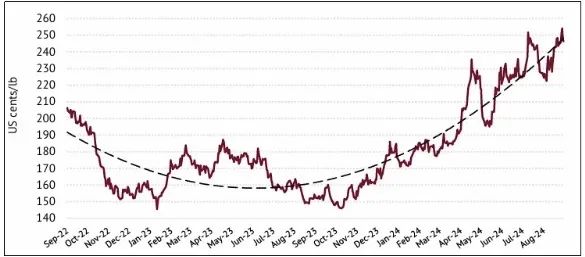
Currently, international coffee prices are continuously climbing, not only because several countries including Brazil, Vietnam and Indonesia have reported reduced production, but also because many EU traders are worried that the implementation of the EUDR at the end of the year will affect future imports, so they are increasing their purchases by the end of the year in order to have sufficient stock.
Therefore, people in Brazil's coffee industry are very worried about the state of the coffee industry next year, because it is now the flowering period of the new coffee crop season, and problems such as fires, drought, water shortages and contaminated groundwater resources may greatly reduce both yield and quality. Moreover, by next year, EUDR will be officially implemented, which will reduce exports and is not conducive to the development of the industry as a whole.
To learn more about coffee origins, please scan the QR code to follow: Kaping
Long-press the QR code to follow:

Related Reading





Comments (0)
Loading comments...
You May Be Interested





Trending Reviews
Popular Videos

With you, wherever you are! We provide useful features to help you find new things you'll love






