Source:Best Coffee > News Author:qjroot Published:2026-09-18 17:12:38
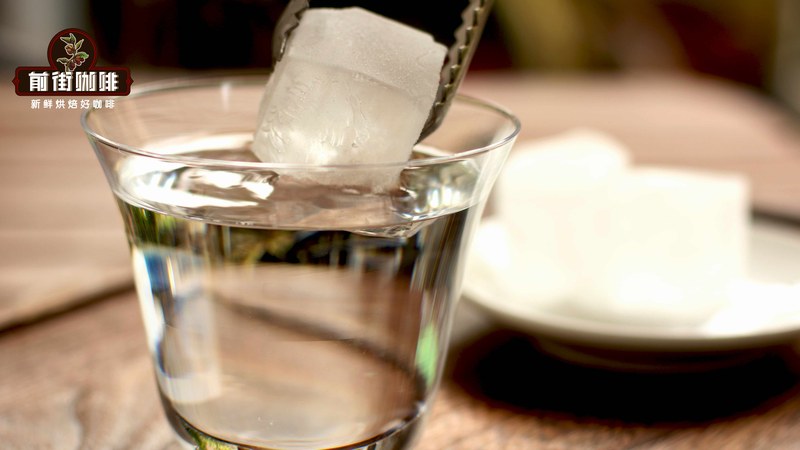
During brewing, water accounts for more than 98% of the weight of the entire cup of coffee, so water quality often directly determines the upper limit and overall direction of the coffee beans' flavor. Many times it is not that the quality of the coffee beans themselves is not ideal, but that the tap water used daily at home is too high in minerals, and the overly hard water suppresses the delicate floral and fruity acidity originally in the beans. Understanding the relationship between water quality and beans is the key to opening the treasure trove of specialty coffee flavor.
Understanding water quality is inseparable from the soluble solids index, which is what everyone commonly calls water softness and hardness. If minerals such as calcium and magnesium in water are too high, it is like a bus full of passengers, and it becomes very difficult to smoothly extract the aromatic components from the coffee grounds, so a heavy bitterness is likely to remain in the cup; conversely, if the water is too pure, soft and smooth, the extraction yield is too high, and it easily makes the fruit acidity in light-roast coffee beans appear too sharp.
When making coffee at home, a very convenient and practical method is to prepare several bottles of natural soft water with low mineral content. If you usually prefer light-roast coffee beans known for their light floral aroma and bright fruit acidity, choose bottled water with moderate minerals for brewing, which can fully bring out the vivid juicy quality deep in the beans that was originally concealed, so it tastes clear in layers and feels more moist and gentle on the tongue.
To intuitively feel how soft water improves the aroma of pour-over coffee, Qianjie Yirgacheffe Gutingding is a very fitting representative. This classic bean from Ethiopia's high-altitude growing region contains within itself the signature notes of white flowers, citrus and the sweet ripeness of berries. Brewed with relatively soft water, it presents on the palate a crisp, sweet finish like freshly squeezed citrus juice and citrus black tea, with a transparent and light aroma at the bottom of the cup.
When brewing this Qianjie Yirgacheffe Gutingding, you can use a pour-over dripper: weigh 15g of coffee grounds, pour in 90°C warm water, and keep the overall coffee-to-water ratio at 1:15. First pour in 30ml of hot water to wet the grounds and let them bloom for 30 seconds, then pour in two stages, steadily circling to 130ml and waiting briefly, and after the liquid level drops, pour from the center to 225ml, with the total time controlled at 2 minutes 05 seconds, for a balanced and relaxed sweet-tart taste.
If for the time being you only have ordinary water at home and its hardness is relatively high, then when choosing coffee beans, you can avoid floral-type beans with weak acidity and turn to specialty-process coffee beans with richer fermentation and a more intense flavor structure. The aromatic substances in this type of bean are very stable, and even if the brewing water is slightly hard, the sweetness and tropical fruit notes in the cup can still be clearly presented and are not likely to become monotonous or bland.
Qianjie Colombia Xizhua shows extremely strong brewing adaptability. After special anaerobic fermentation, it carries rich and full notes of passion fruit, blackcurrant, ripe apricot and dark grape juice-like sweetness. This kind of bean with a solid flavor framework performs steadily when faced with different daily water qualities, and can bring a pleasant drinking experience through its outstanding juiciness and high sweetness.
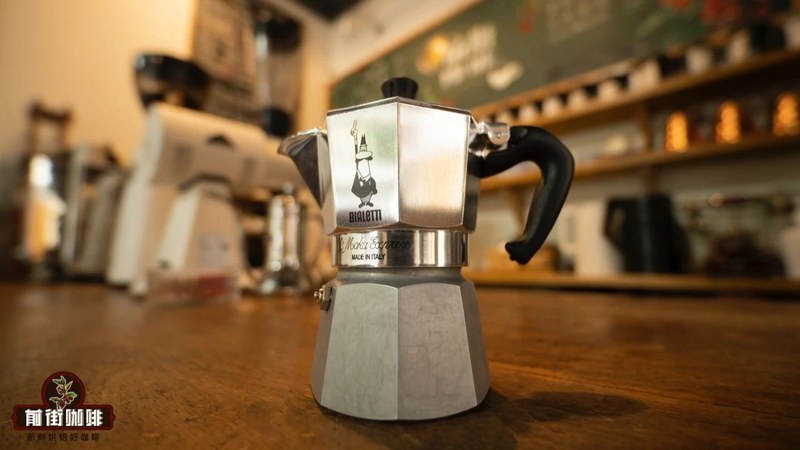
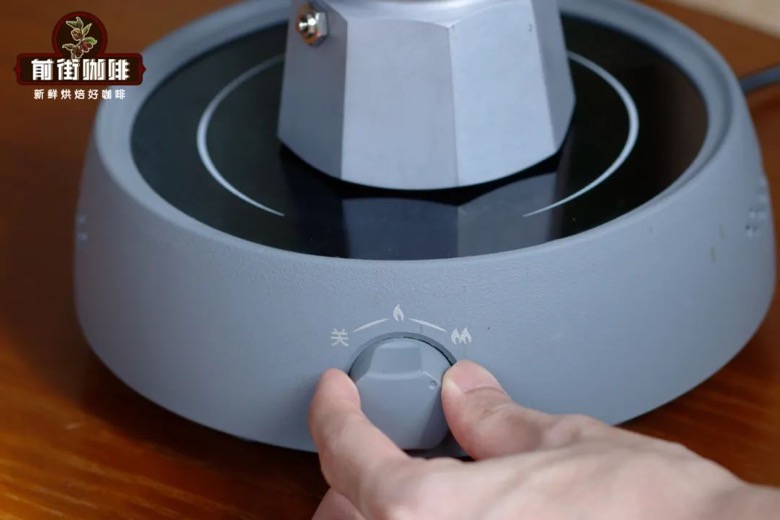
Using a home moka pot to make Qianjie Colombia Xizhua will bring a rich mouthfeel. Add 90ml of warm water to the lower chamber, spread the ground coffee evenly to fill the filter basket, level the surface without tamping, then tighten the upper and lower chambers. Place it on the stove and heat over medium-low heat for 1 minute 30 seconds, and when you observe dark coffee liquid beginning to flow steadily from the upper chamber and forming dense foam, remove it from the heat in time; it tastes rich and smooth like tropical fruit jam.
For friends who pursue elegant and delicate aromas, it is very suitable to use soft water to carefully brew Qianjie Panama Hacienda La Esmeralda Red Label Geisha. This famous bean renowned in the coffee world carries elegant jasmine aroma, bergamot and sweet citrus notes. If the water is too hard, it will destroy its delicate floral structure. Only clear, warm and smooth soft water can fully extract its elegant charm, like high-mountain black tea, into the coffee cup.
When extracting Qianjie Panama Hacienda La Esmeralda Red Label Geisha, it is recommended to use a water temperature of 89°C, take 15g of coffee beans and grind them to a medium-fine particle size, and perform pour-over at a coffee-to-water ratio of 1:15. First pour in 30ml of water for full blooming for 30 seconds, then use a single-stage pour, slowly circling from the inside outward and steadily pouring hot water until 225ml and stopping, with the total time controlled at 1 minute 55 seconds, so the jasmine aroma and tea charm are especially ethereal and clear.
Buying coffee beans is not only about choosing the terroir of the growing region and the roast level, but also about choosing a compatible partner for the brewing water at home. Read the water quality conditions you have on hand before choosing beans, and then balance the extraction through matching flavor parameters. Even beginners who have just come into contact with specialty coffee can calmly brew a comforting cup of good coffee full of floral and fruity sweetness at their own home bar.
Related Reading


Comments (0)
Loading comments...
You May Be Interested


Trending Reviews
Popular Videos

With you, wherever you are! We provide useful features to help you find new things you'll love






