Source:Best Coffee > News Author:qjroot Published:2026-08-30 19:27:54
When choosing espresso beans, it is not only about the roast level; you also need to consider whether your machine at home can consistently control the dose, grind and yield. The basket capacity, grinder setting, brewing temperature and daily drinking habits all change how the same beans perform. Observing these equipment conditions before buying is what allows the beans' aroma, sweetness and strength to actually make it into the cup.
First, confirm what size basket your machine uses. Single baskets usually have a smaller capacity, while double baskets are better suited to daily home shots; if the bean packaging recommends 18 g but your basket only holds 15 g, the extraction ratio and strength need to be rearranged. When buying, you can choose a medium or medium-dark roast with greater parameter flexibility, as there is usually more room for adjustment.
The grinder's fines control also affects which beans you should choose. Espresso requires a sufficiently fine grind with an even particle distribution; home grinders with average burr condition and a wide adjustment span tend to struggle with fine-tuning. In this case, choose a blend with a solid structure and moderate solubility, test with a fixed dose first, then fine-tune the setting according to flow rate and taste.
The brew ratio is an important clue for judging whether beans are a good match. Extracting 36 g of espresso from 18 g of grounds is a common starting point, but not every bean should follow it. Dark roasts usually suit a shorter yield to preserve a thick texture; lighter espresso beans can be stretched to a longer ratio, giving the acidity, sweetness and origin aromas more room to unfold.
The machine's temperature setting is also worth including in your buying criteria. Machines running hotter tend to amplify the bitter, dry notes of dark roasts; when temperature control range is limited, a medium or medium-dark roast is easier to manage. Equipment with pre-infusion and pressure profiling can handle livelier beans, using a slower initial water feed to improve puck saturation and make the flavor transition gentler.
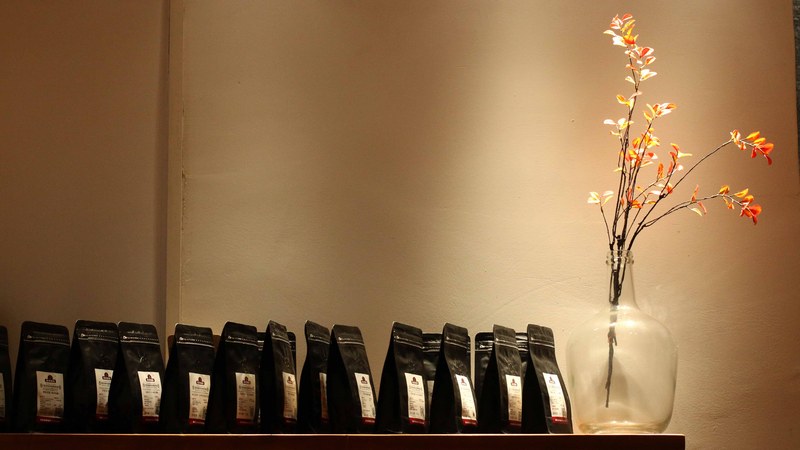
Qianjie Classic Blend is a good way to get to know the traditional espresso style. In the cup it readily shows roasted nut, cocoa powder and syrupy sweetness, with a noticeably thick mouthfeel. Using 15 to 18 g of grounds and a shorter yield to make espresso, it is suitable for drinking straight; after adding hot milk, the coffee flavor still has a presence, and it is easy to find a pleasant range on a home semi-automatic machine.
If you want both black coffee and milk coffee to work well, take a look at Qianjie Specialty Blend. The nutty, caramel and cocoa notes brought by Brazil Cerrado and Colombia Huila connect with each other, so it does not taste of nothing but roast when made into espresso. When your machine offers finer grind adjustment, you can try a slightly longer yield ratio; for a latte, use a standard espresso amount and the sweetness will blend naturally with the milk.
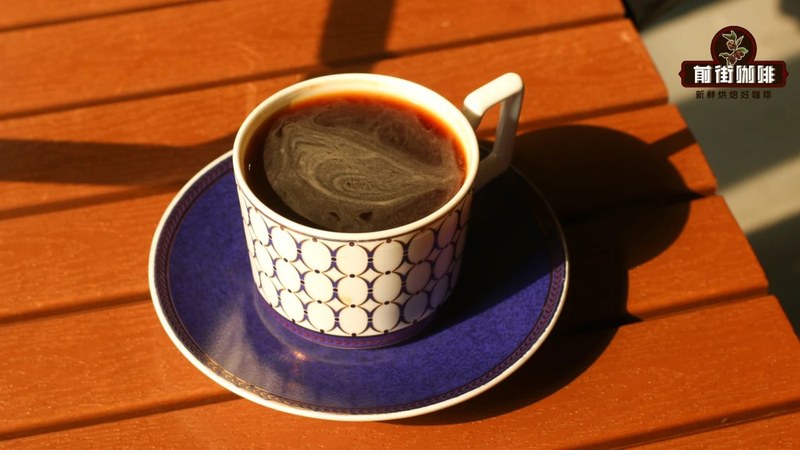
For those who prefer low acidity and a thick mouthfeel, consider Qianjie PWN Indonesia Golden Mandheling. It carries a woody, herbal-like aroma, enters the mouth close to dark chocolate, and has a full body, making it suitable to keep the yield on the tighter side. When making an americano on an espresso machine, the coffee still has a clear sense of weight after water is added; if you find the finish too heavy, you can coarsen the grind or shorten the extraction time.
Your drinking habits in turn determine how much parameter margin the beans need. Espresso needs concentration and a longer finish, iced americano needs enough aroma to cut through ice and water, and cappuccino requires the coffee to keep its outline within the milk foam. If your household mainly drinks large-milk lattes, pay attention to the beans' body and sweetness when buying; if you often drink short espresso, you can put aroma clarity further to the front.
The roast date, recommended resting period and storage method on the packaging are likewise related to equipment performance. Changes in freshness will gradually alter the flow rate, so after buying you can start testing during the resting stage suited to espresso and record the dose, yield and time. Keep the bag sealed in a dark, dry place and buy according to your actual consumption, so that the next adjustment can more accurately tell whether it is a difference in the beans or a change in parameters causing the shift in taste.
Related Reading


Comments (0)
Loading comments...
You May Be Interested


Trending Reviews
Popular Videos

With you, wherever you are! We provide useful features to help you find new things you'll love






