Source:Best Coffee > News Author:qjroot Published:2026-09-07 11:11:55
For beans with a light, floral character, pour-over can draw out the aroma; beans with bright fruit acidity and concentrated sweetness can also be turned into an SOE on a home espresso machine. SOE means single origin espresso, and it does not require professional-grade equipment. What truly shapes the cup is whether the water temperature, grind, coffee-to-liquid ratio, pressure and flow rate match the bean's density and roast state.
Before settling on a plan, you can chew a coffee bean or smell the dry aroma after grinding. Beans that are hard in texture and on the lighter side usually need a higher water temperature and fuller contact; beans with a darker surface color and looser structure suit a lower temperature and less extraction in the latter stage. With pour-over, watch whether the coffee and water contact evenly; with espresso, observe the flow speed, liquid weight and puck condition at the same time.
Qianjie Yirgacheffe Gudingding can start with 15 g of coffee and 240 g of water, at a water temperature of 92 to 93°C, with a grind close to fine sand. First pour about 40 g of water to wet the coffee bed, wait 30 seconds, then pour the rest slowly in two stages, keeping the total time to 2 minutes 15 seconds to 2 minutes 40 seconds. This easily brings out orange peel aroma, red berry notes and a gentle floral note, and after it cools there is still a clear sweetness reminiscent of light tea.
If Gudingding tastes tight on entry and the acidity lingers on the tip of the tongue, you can raise the water temperature by about 1°C, or tighten the grind slightly, so the sweetness catches up; if there is obvious astringency in the finish, you can end the drip earlier, or lighten the final pour. For iced pour-over, you can use 15 g of coffee and 150 g of hot water, extracting into a server holding 90 g of ice, and the aroma will be more concentrated.

Qianjie Ethiopia Huakui has a more exuberant ripe-fruit aroma, and with pour-over there is no need for too much agitation. Use 15 g of coffee with 225 to 235 g of water, at a water temperature of 90 to 92°C, with a medium-fine grind, pouring in steady small circles, and it is easier to get a sweet aroma like strawberry, passion fruit and ripe tropical fruit. If you prefer an iced drink, you can tighten the grind slightly so the flavor is still concentrated enough after cooling.
Qianjie Kenya Little Tomato suits a higher extraction yield to show its juicy character. For pour-over, use 15 g of coffee with 245 g of water, at a water temperature of 93 to 94°C, and after blooming, pour in three stages, letting the first half flow a little more slowly and reducing agitation in the second half. In the cup you will find a combination like cherry tomato, sour plum and dark syrup, with bright acidity, yet the sweetness supports the palate instead of leaving only sharpness.
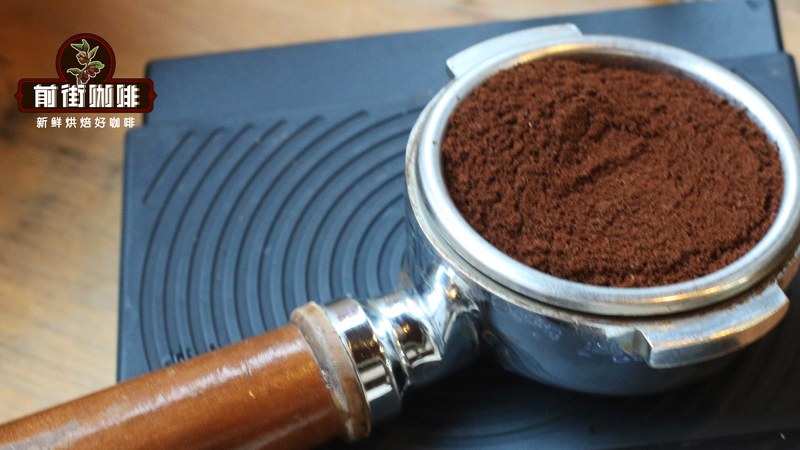
Moving to a home espresso machine, a light-roast SOE can start with 18 g of coffee, 40 to 45 g of liquid, and a total extraction of about 28 to 34 seconds, at a brewing temperature of 92 to 94°C. This range is slightly longer than a traditional short espresso, giving the floral and fruity notes more room to unfold. If the machine has a pre-infusion function, you can use 3 to 6 seconds of low flow to wet the puck, helping high-density beans absorb water evenly.
Pressure does not mean the higher it is, the more flavor it brings out. The pump pressure shown on the panel is not the same as the actual brewing pressure the puck bears; with a machine that can adjust pressure, 7 to 9 bar makes it easier to get smooth flow for a light-roast SOE. It does not matter if you cannot adjust pressure: use grind, distribution and liquid weight as the main control points. The grind needs to be fine, but avoid going so fine that the flow stutters and channels appear in the puck.
When making an SOE with Kenya Little Tomato, you can try 18 g of coffee extracting 42 to 46 g of coffee liquid, at about 93°C, for about 30 seconds. Drunk straight, it feels vividly sweet and tart, and after adding water to make a small americano, the plum and yellow sugar finish opens up more. If you add milk, it is best to control the amount so the bean's fruit acidity and caramel note can still be perceived.
When adjusting, judge taste and flow together. If the coffee liquid lightens quickly, tastes thin on entry and carries raw acidity, it usually means water is passing through the coffee bed too fast, so you can tighten the grind slightly or increase the liquid weight; if the flow is slow and the finish tastes dry, you can coarsen the setting or stop the pump earlier. When sweetness is lacking but the mouthfeel is not bitter, raising the temperature by 1°C is often easier to observe than making a large change to the dose.
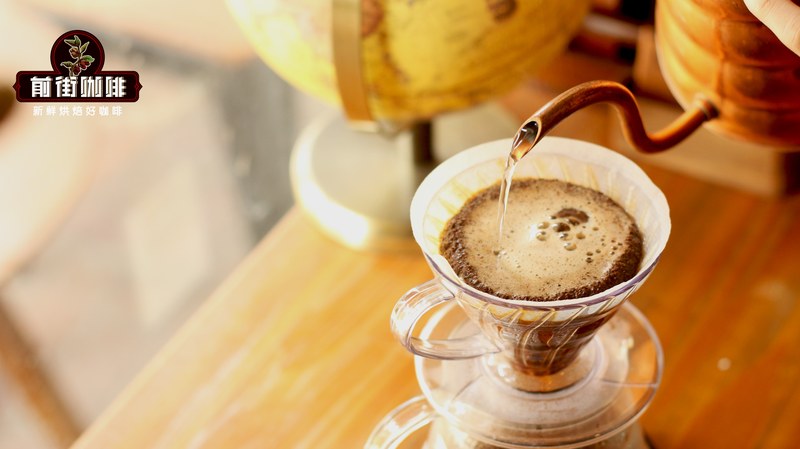
To present SOE steadily on home equipment, you also need to look after preheating and operating details. Make the coffee after the group head, portafilter and cup have been fully warmed, keep the filter basket dry, distribute the grounds evenly, and tamp with a level surface; for pour-over, pay attention to the temperature of the dripper and the height of the pour. Record the dose, liquid weight, time and taste in the mouth each time, and after a few rounds you will find the sweet spot for this bean on your own equipment.
Related Reading


Comments (0)
Loading comments...
You May Be Interested


Trending Reviews
Popular Videos

With you, wherever you are! We provide useful features to help you find new things you'll love






