Source:Best Coffee > News Author:qjroot Published:2026-09-24 13:45:05
After drinking coffee in the afternoon, smack your lips, and a gentle sweetness slowly rises in your throat; even swallowing saliva feels like holding a thin throat lozenge. This satisfying sensation is huigan, or returning sweetness. Many people think returning sweetness comes entirely from the beans themselves, but that is not the case. Whether you can taste a mouthwatering sweet finish depends heavily on the balance between extraction yield and strength.
We can think of extraction yield and strength as making a bowl of fresh chicken soup. Extraction yield determines how much of the savory substances in the chicken have dissolved out, while strength determines how much water is in the pot. Coffee that tastes weak is often caused by grinding too coarse, leading to under-extraction, or by adding too much water; coffee that tastes too strong means too much coffee and too little water; if the finish tastes tight, astringent and tongue-scraping, it is most likely due to grinding too fine or water temperature being too high, causing over-extraction.
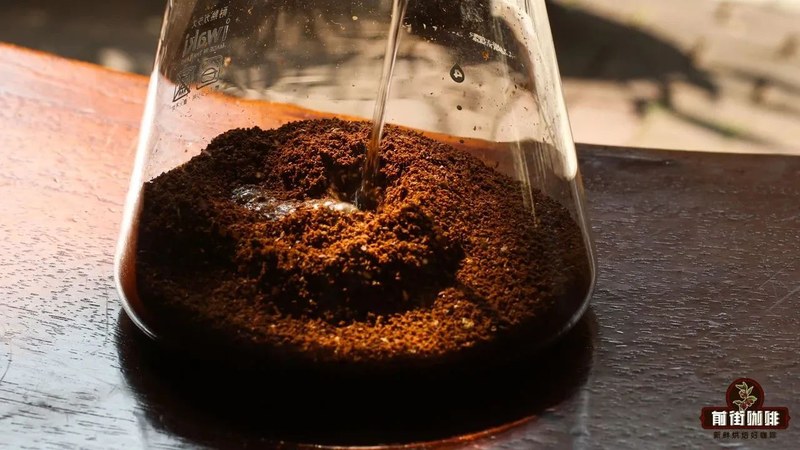
If you want the same bag of beans to show a full returning sweetness, fine-tuning the parameters is actually very simple. If the coffee tastes only of dull bitterness without rising sweetness, you can lower the water temperature by two degrees, or make the grind half a step coarser, to slow the release of later-stage impurities; if the coffee feels obviously watery and the sweetness does not hold up, then raise the water temperature a little, or make the grind slightly finer, so the soluble aromatic substances are released more fully.
Take everyday pour-over as an example: a standard set of parameters can help you quickly find a baseline. Use 15 g of ground coffee with a 1:15 coffee-to-water ratio, which means preparing 225 ml of hot water. The grind should be about medium. When pouring, first use 30 ml of water for a 30-second bloom, then pour in stages for a gentle brew, keeping the total extraction time stable at around two minutes, and the sweetness and returning sweetness will clearly appear.
Once you understand the brewing logic, when choosing beans you should also consider whether they are suited to being brewed strong or light. Friends who like full nutty sweetness can try Qianjie Brazil Queen Estate Coffee. This bean is the relatively rare Yellow Bourbon variety and is very suitable for medium-dark roasting. Brewed with the parameters above, the first sip brings the rich aroma of roasted peanuts and dark chocolate, and after the bitterness fades, a long sweetness follows immediately; it is easy to keep drinking and especially smooth.
If you prefer a mellow, solid mouthfeel, Qianjie Indonesia PWN Golden Mandheling Coffee will bring a very lasting returning sweetness. It comes from the Gayo Mountain in Aceh and has undergone strict triple hand sorting; the beans are large and very clean. The first sip carries distinct roasted nut and Chinese herbal notes, and the slightly thick texture coats the tongue. After swallowing, the sweet finish lingers in the mouth and does not fade quickly, letting you experience the charm of dark-roasted beans.

If you usually like a light, refreshing drink like tea, you might choose Qianjie Panama Boquete Geisha Coffee. It carries rich white floral notes and the fragrance of melon and citrus, with an overall bright, lively acidity and sweetness. We slightly increase the water flow to extract it fully; the first sip has a clear, juice-like quality, and after swallowing, the fresh, sweet finish that rises in the mouth is like drinking a cup of fine Tieguanyin. The returning sweetness brought by this light tea-like charm is especially refreshing.
If you want an all-rounder that can be both pour-over and cold brew, Qianjie Strawberry Candy Geisha Blend Coffee is a very comfortable choice. The recipe contains Panama Geisha and gives off the sweet fragrance of roses, dried blueberries and citrus. Whether you like a rich, full juice-like texture or prefer it diluted with water into a clear, refreshing iced drink, it can show a long black-tea-like returning sweetness in the finish, and no matter how you brew it, you can taste a pleasant sweet profile.
Identify the roasting characteristics and flavor orientation of the coffee beans, then patiently calibrate strength and extraction yield with temperature, grind and coffee-to-water ratio, and everyone can brew a smooth, tasty cup of coffee at home. Dark-roasted beans suit a richer, mellow returning sweetness, while light-roasted beans suit a lighter tea-like sweetness. Once you learn to fine-tune the parameters and read the beans' temperament, that long, sweet moisture at the bottom of the cup will naturally arrive as promised.
Related Reading




Comments (0)
Loading comments...
You May Be Interested




Trending Reviews
Popular Videos

With you, wherever you are! We provide useful features to help you find new things you'll love






