Source:Best Coffee > News Author:Best Coffee Published:2024-07-18 17:37:58
What is 'pour-over coffee'?
When coffee beans are roasted at high temperatures, a series of chemical reactions occur, producing various aromatic compounds. Brewing coffee is about using water and equipment to extract these flavor components. Pour-over coffee involves first grinding the coffee beans into powder, then pouring hot water over the grounds to "dissolve" the substances within the coffee. Essentially, it uses a filter—such as a filter cone paired with paper or other tools—to trap the coffee grounds, preventing them from entering the lower carafe, resulting in a clear and flavorful black coffee.
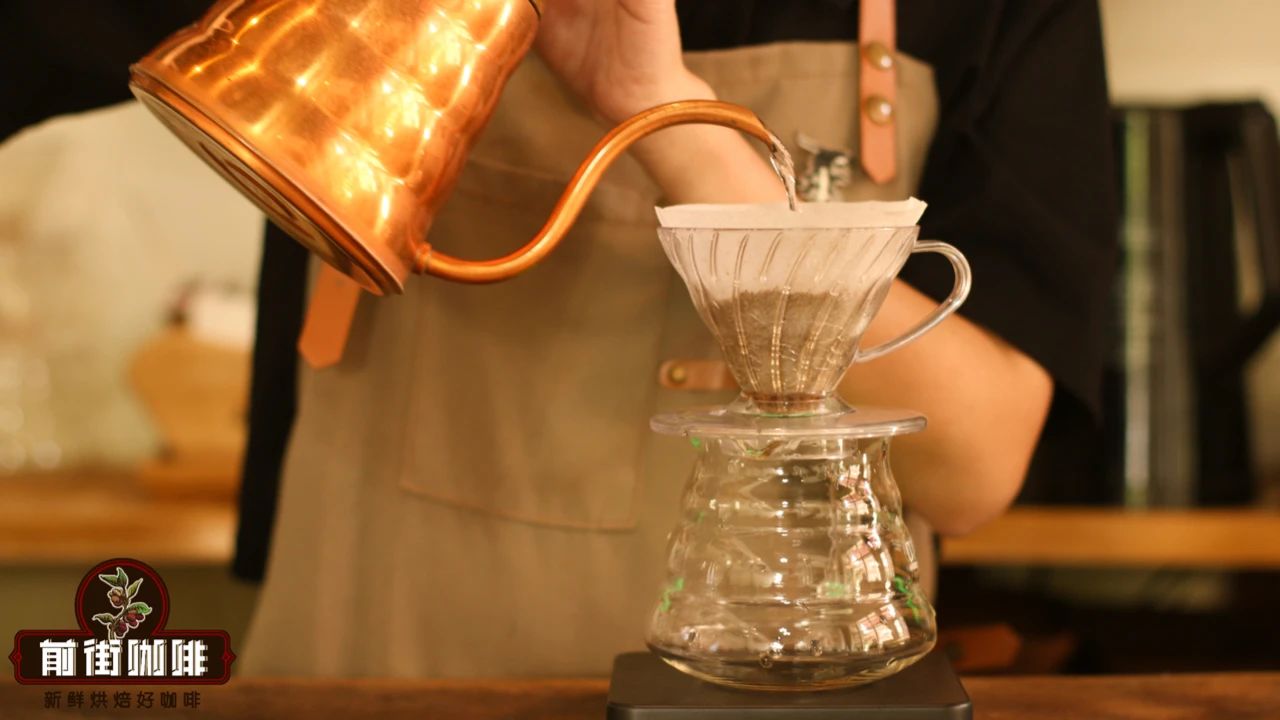
How to make pour-over coffee?
Good-tasting coffee naturally starts with good ingredients—high-quality coffee beans. Front Street recommends choosing beans that are 4–30 days past their roast date, during their optimal flavor window, which helps ensure stable extraction and a richer cup profile. Here, Front Street uses classic Yirgacheffe as the brewing subject to demonstrate how to brew a delicious pot of coffee~
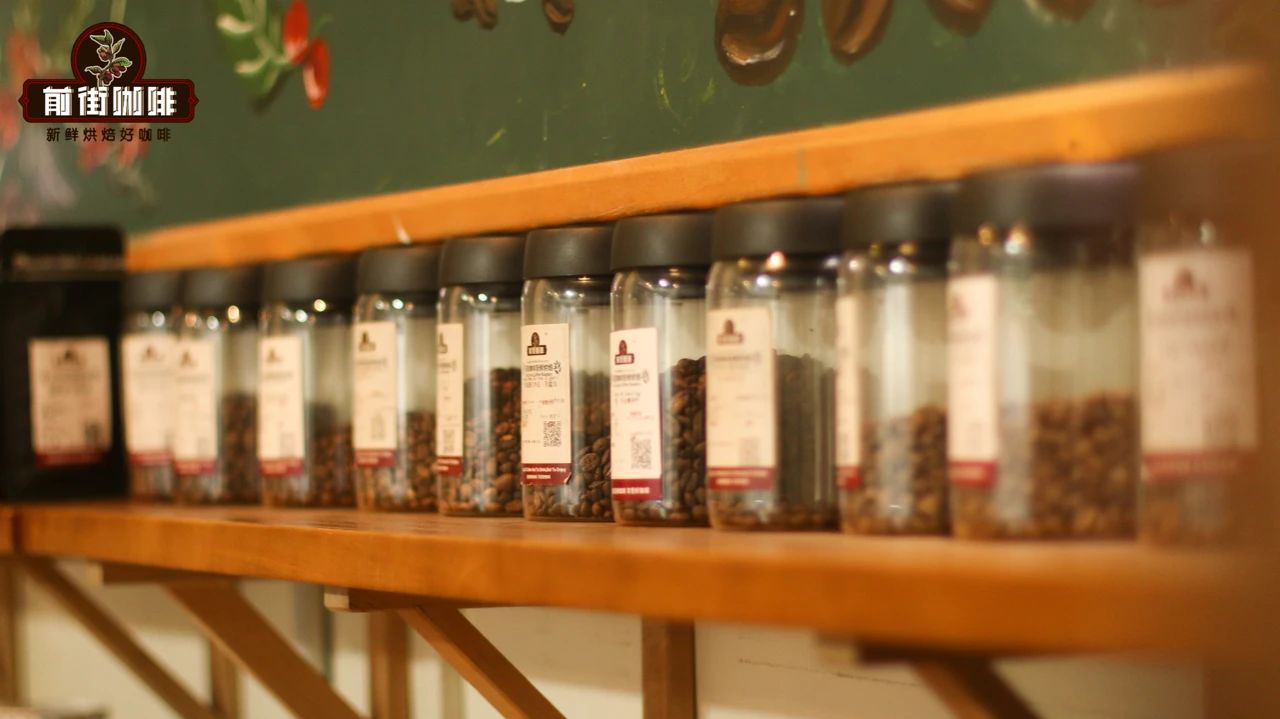
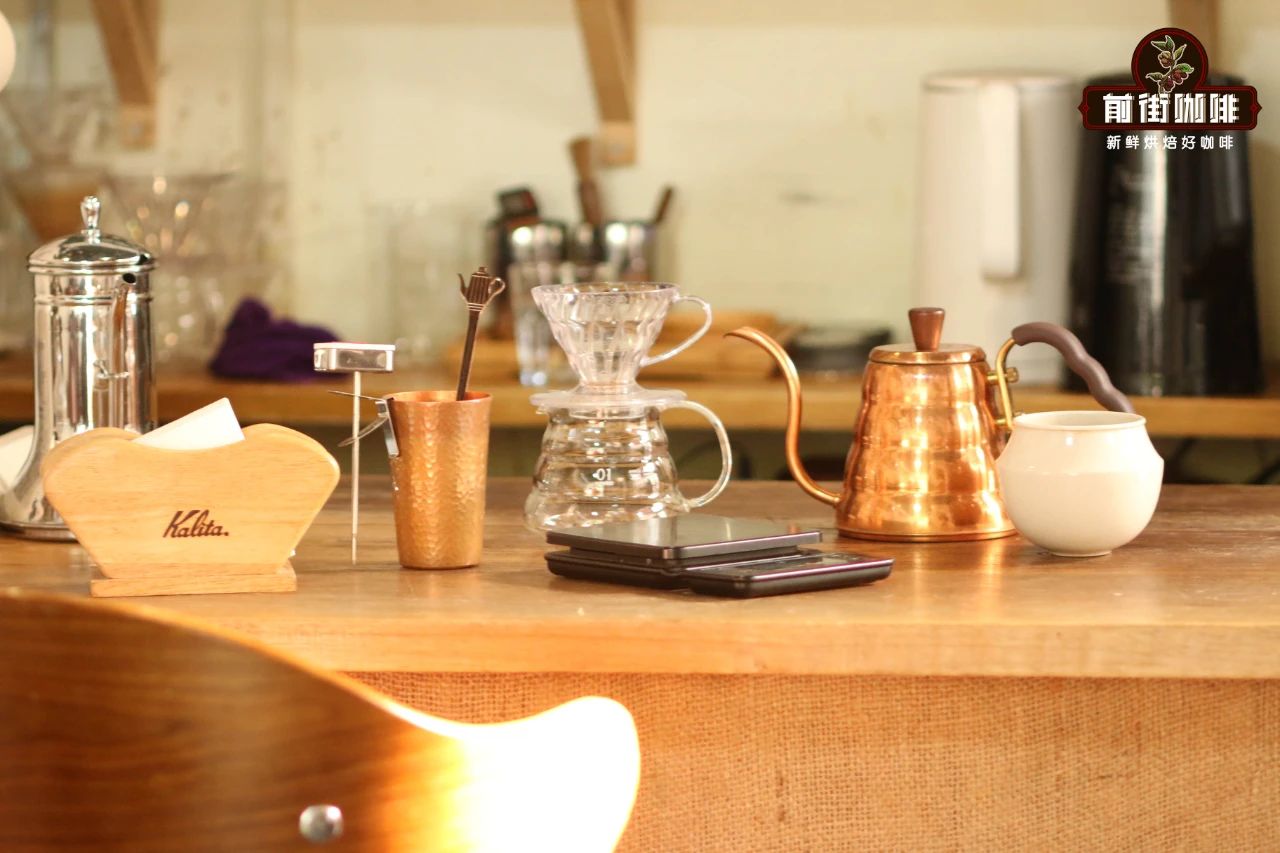
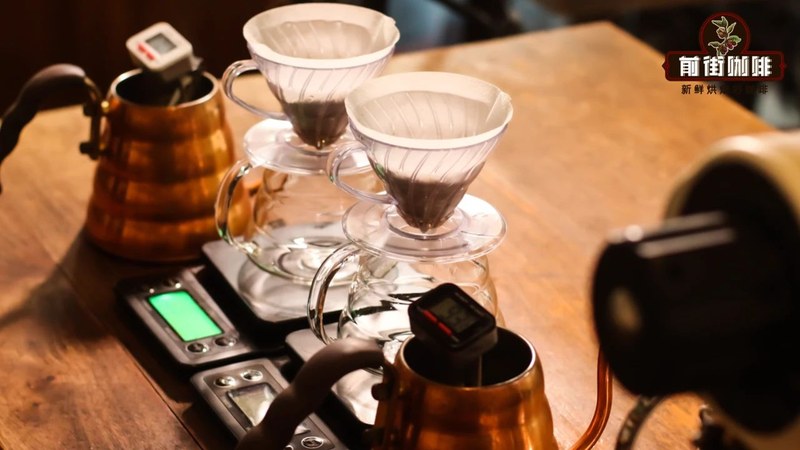
To make pour-over coffee at home, you’ll first need the following equipment: a pour-over kettle, filter cone, server, grinder, filter paper, digital scale, and thermometer.
The grinder plays a very important role in pour-over brewing and generally comes in two types: hand grinders and electric grinders. Regardless of which type you choose, the goal is to achieve evenly ground coffee. The coarseness of the coffee grounds directly affects the taste—if too coarse, extraction may be insufficient, resulting in a weak flavor; if too fine, over-extraction can lead to bitterness. Front Street adjusts grind size using a tool: the Chinese Standard No. 20 sieve with a 0.85mm mesh. For medium-light roasts, Front Street consistently uses a 75–80% pass rate, while for medium-dark roasts, a 70–75% pass rate is used.
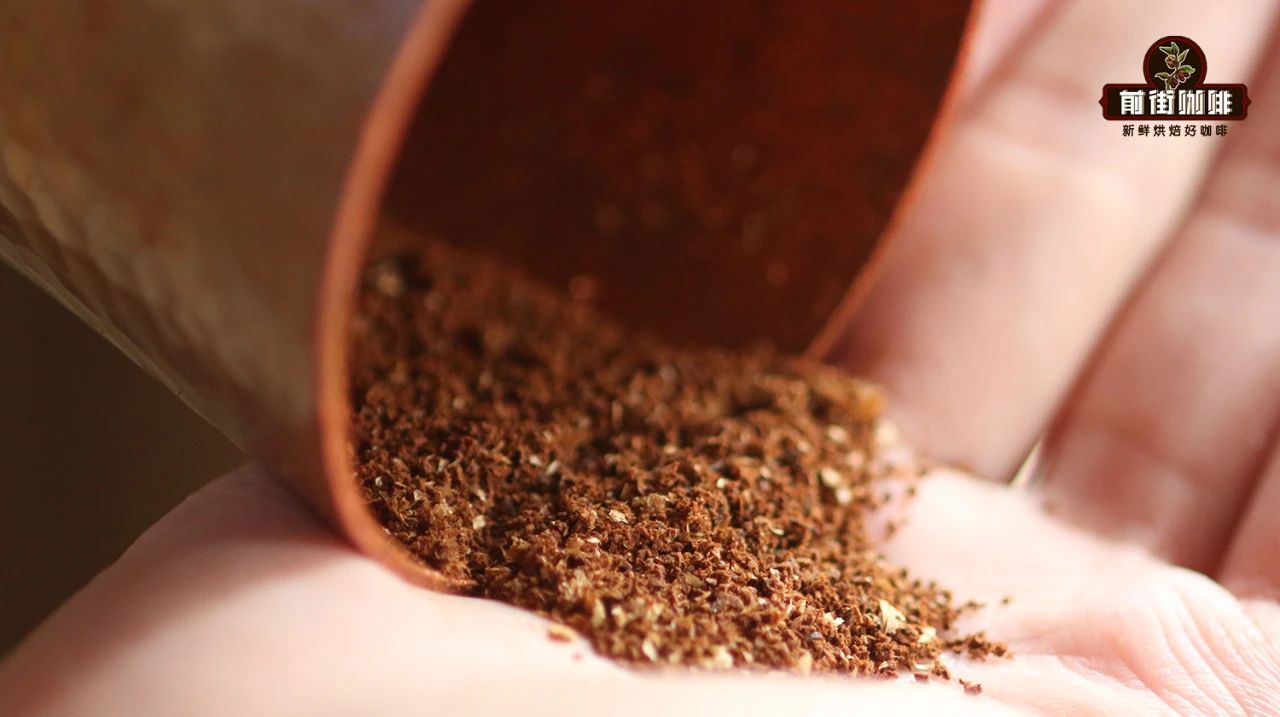
Here, Yirgacheffe is a medium-light roasted high-altitude bean. Front Street aims to extract more of its rich aromatic compounds, so a grind size with an 80% pass rate through the No. 20 sieve is chosen, corresponding to a setting of 10 on the store’s EK43s grinder.
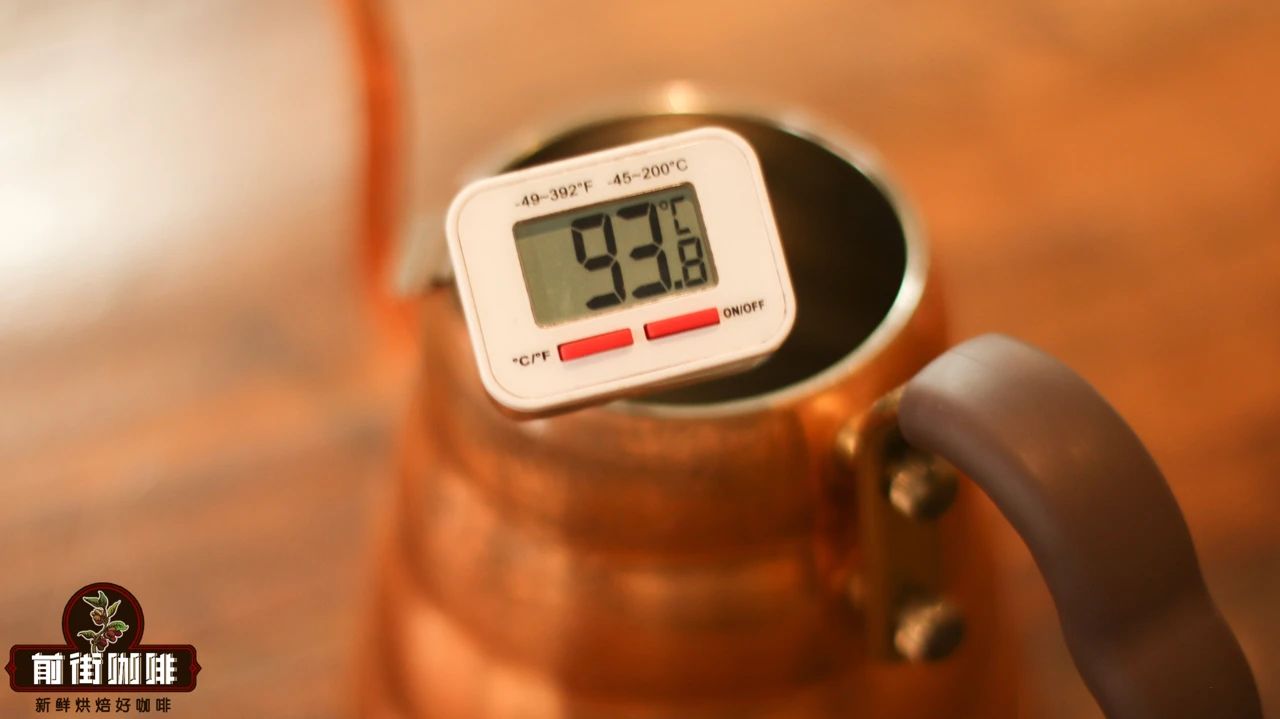
The thermometer is used to measure the temperature of the hot water. Water temperature has a similar impact to grind size—the higher the temperature, the more efficient the extraction, making it easier to dissolve various compounds and resulting in a higher concentration. Using near-boiling water can extract unpleasant bitter substances, so for medium-dark roasts, Front Street uses different brewing parameters than for light roasts. Thus, for medium-dark roasts, Front Street recommends 87–90°C, while lighter roasts require higher temperatures (91–93°C) to better bring out the aromas.
There are many styles of coffee filter cones on the market, each yielding different brewing results. Corresponding filter paper is needed to separate the coffee grounds. At Front Street Coffee (FrontStreet Coffee), the daily offerings are typically brewed using Hario V60 and KONO cones. The V60 is mainly used for lighter roasts, while the KONO is used for darker roasts. Here, the Front Street barista will use a resin V60 cone to brew Yirgacheffe.
The V60 cone features ribs connecting the top and bottom and a large central hole, which speeds up the flow of water. Its spiral ribbing design extends the water path, increasing contact time between the coffee grounds and hot water. Each stream of water converges toward the center along the grooves, focusing pressure on the grounds for a more layered extraction.
The pour-over kettle is used to steadily pour hot water over the coffee grounds. A gooseneck spout allows for a stable pour, evenly rinsing the grounds to release flavor compounds. The digital scale helps monitor total water volume and brew time, ensuring the intended brewing recipe is followed. Front Street recommends purchasing a quick-read digital scale with a timer function—or simply search for a “pour-over coffee scale.”
What is a brewing technique?
Online media showcases various pour-over pouring techniques, such as "one-pour," "three-pour," "four-six pour," etc., each affecting the cup’s flavor differently. Based on past brewing experience, Front Street recommends beginners start with the three-pour method. This approach facilitates fuller extraction of flavor compounds, enhances mouthfeel layers, and avoids over-steeping that leads to over-extraction.
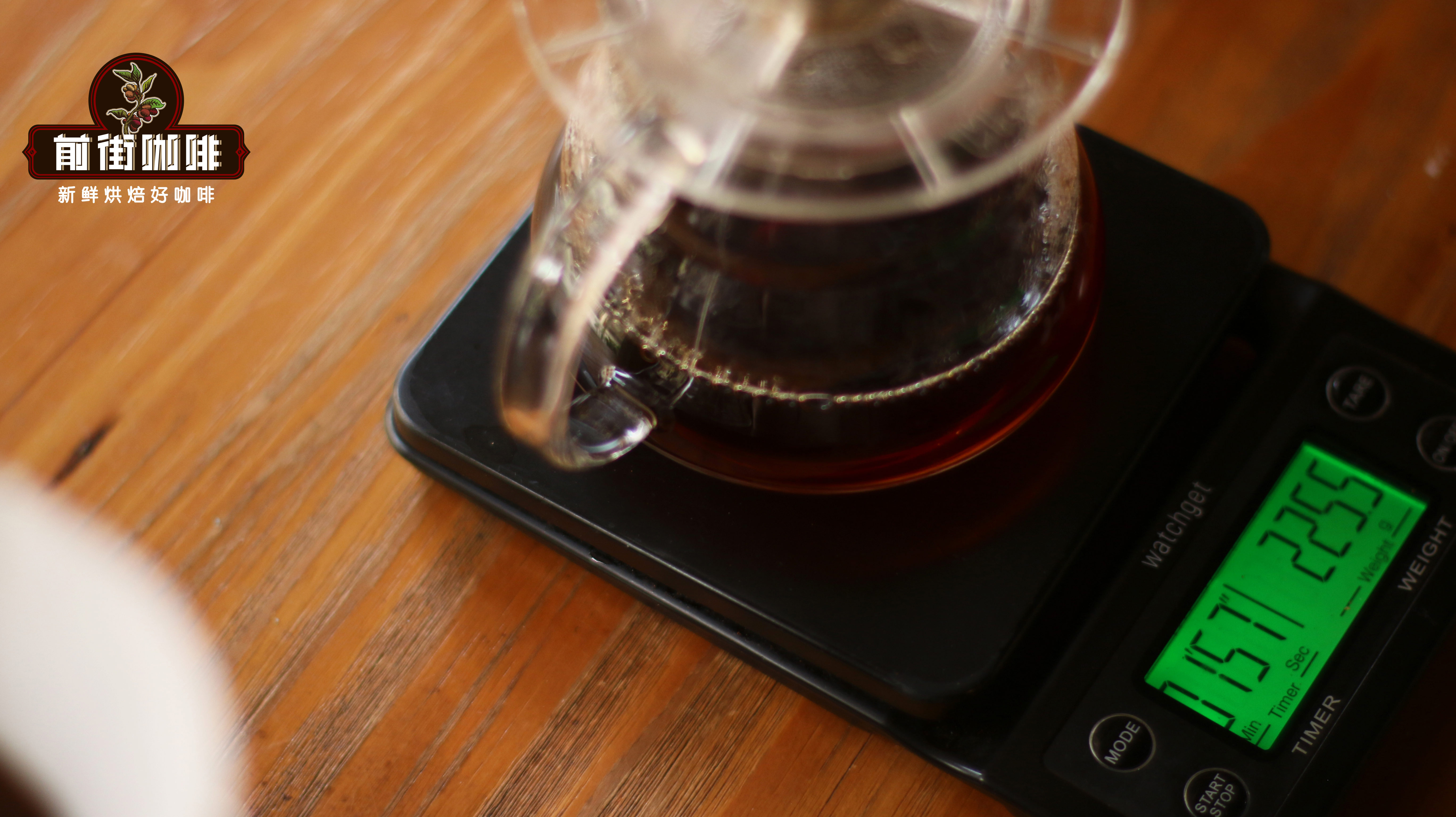
For 15g of coffee grounds at a 1:15 coffee-to-water ratio (225ml total), the three pours are divided into: 30ml, 95ml, and 100ml, shown on the scale as: 30g, 125g, and 225g.
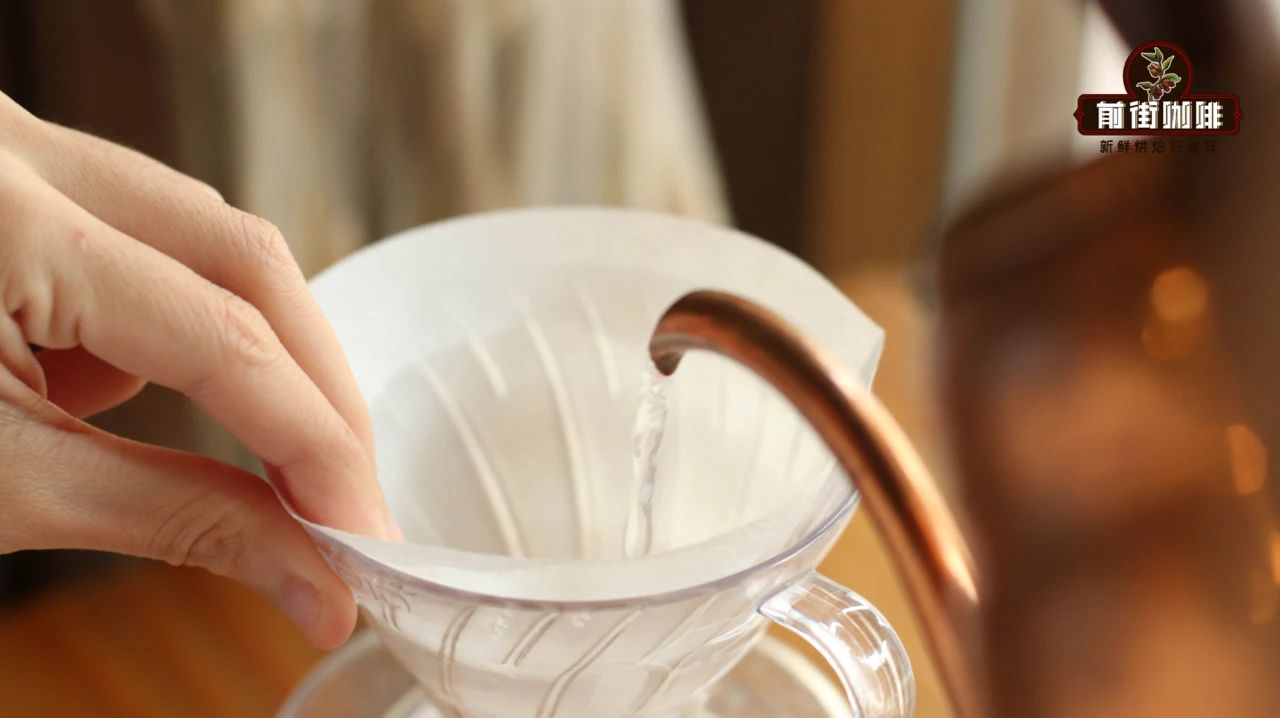
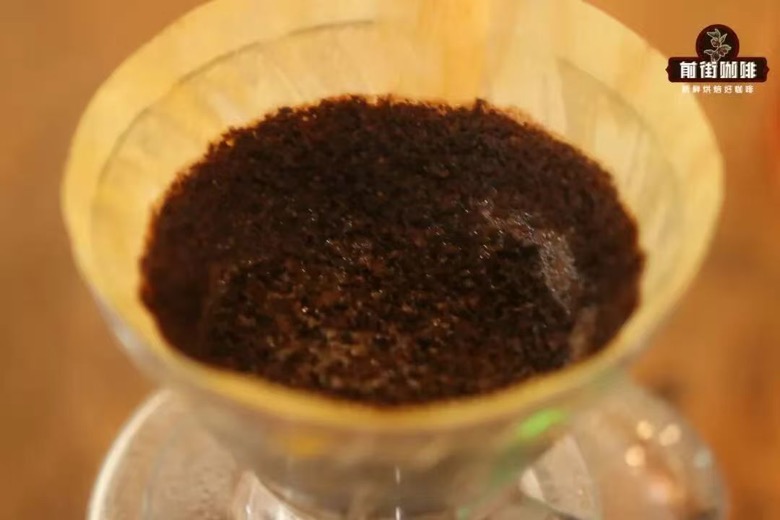
Fold the filter paper and place it inside the cone, wetting it lightly with water to help it adhere to the cone and preheat the server. Discard the water in the lower carafe. Then, add 15g of ground coffee to the cone and tare the scale.
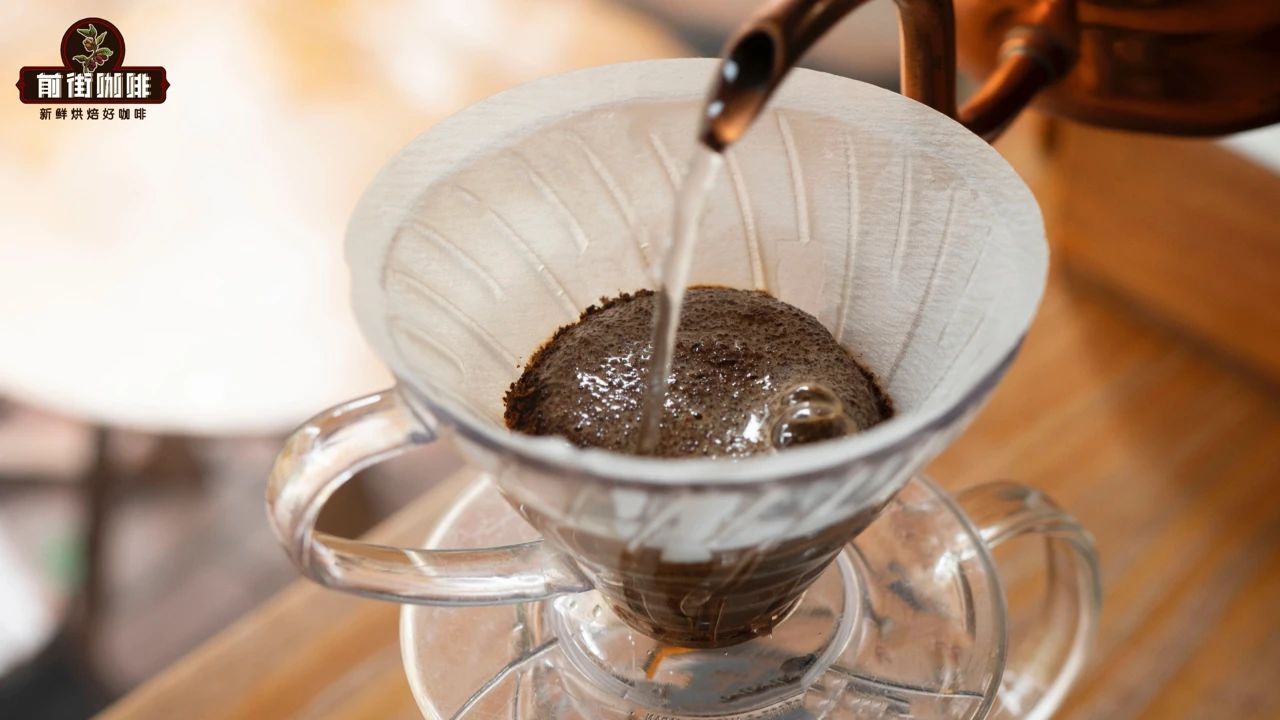
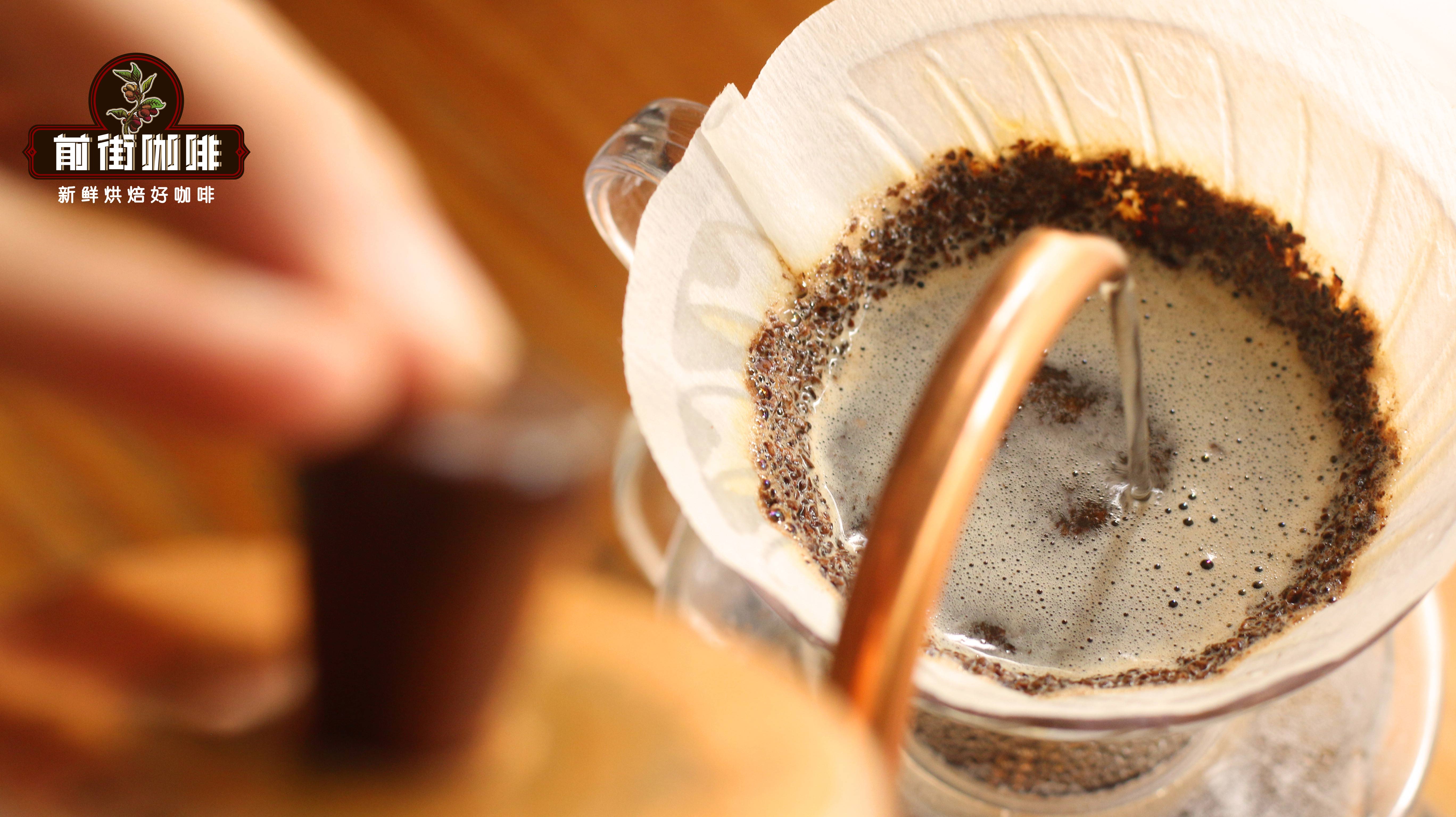
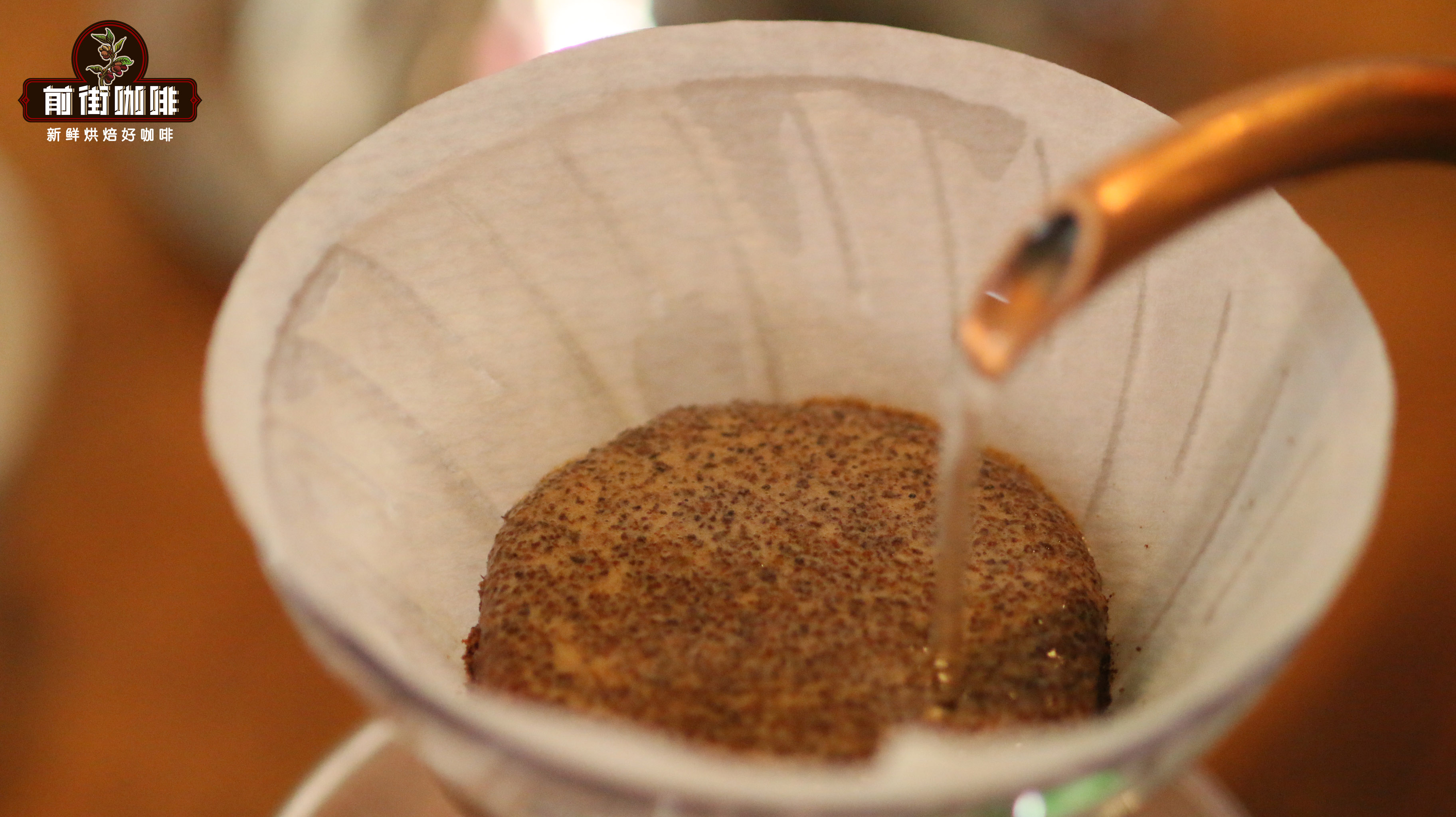
The first pour: add 30g of water for a 30-second bloom. Start timing as you pour, using a small stream focused on the center, then spiraling outward. Ensure the entire coffee bed is saturated.
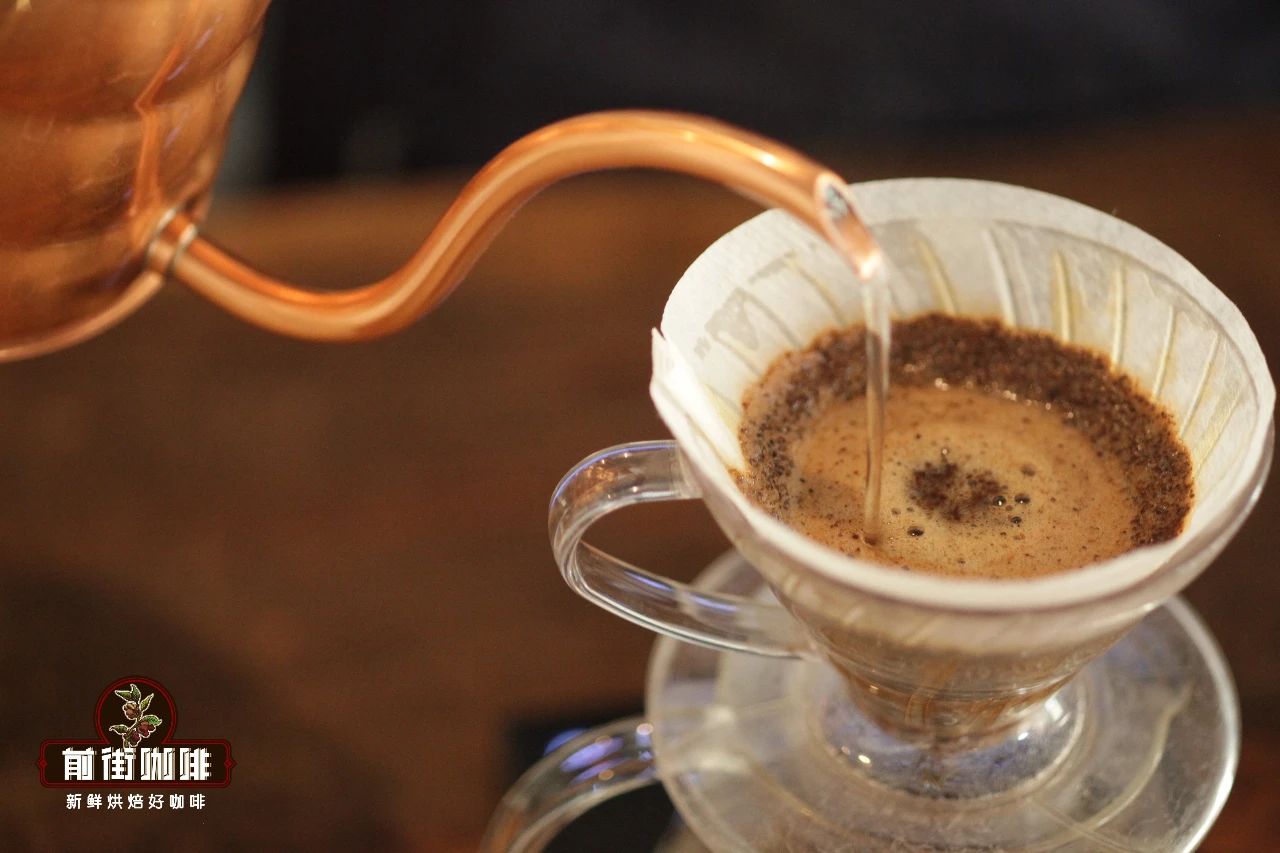
After 30 seconds, begin the second pour with a slightly larger stream, adding 95g of water steadily to lift the coffee bed. The water should flow vertically and evenly. At this point, the scale should read 125g, and the pour should finish around 55 seconds.
Some may find making cold drip coffee troublesome, but iced pour-over is also a great alternative. Iced pour-over is nearly identical to the hot version, except the total water is reduced from 225ml (1:15 ratio) to 150ml (1:10 ratio), with about 75–100g of ice placed in the lower carafe.
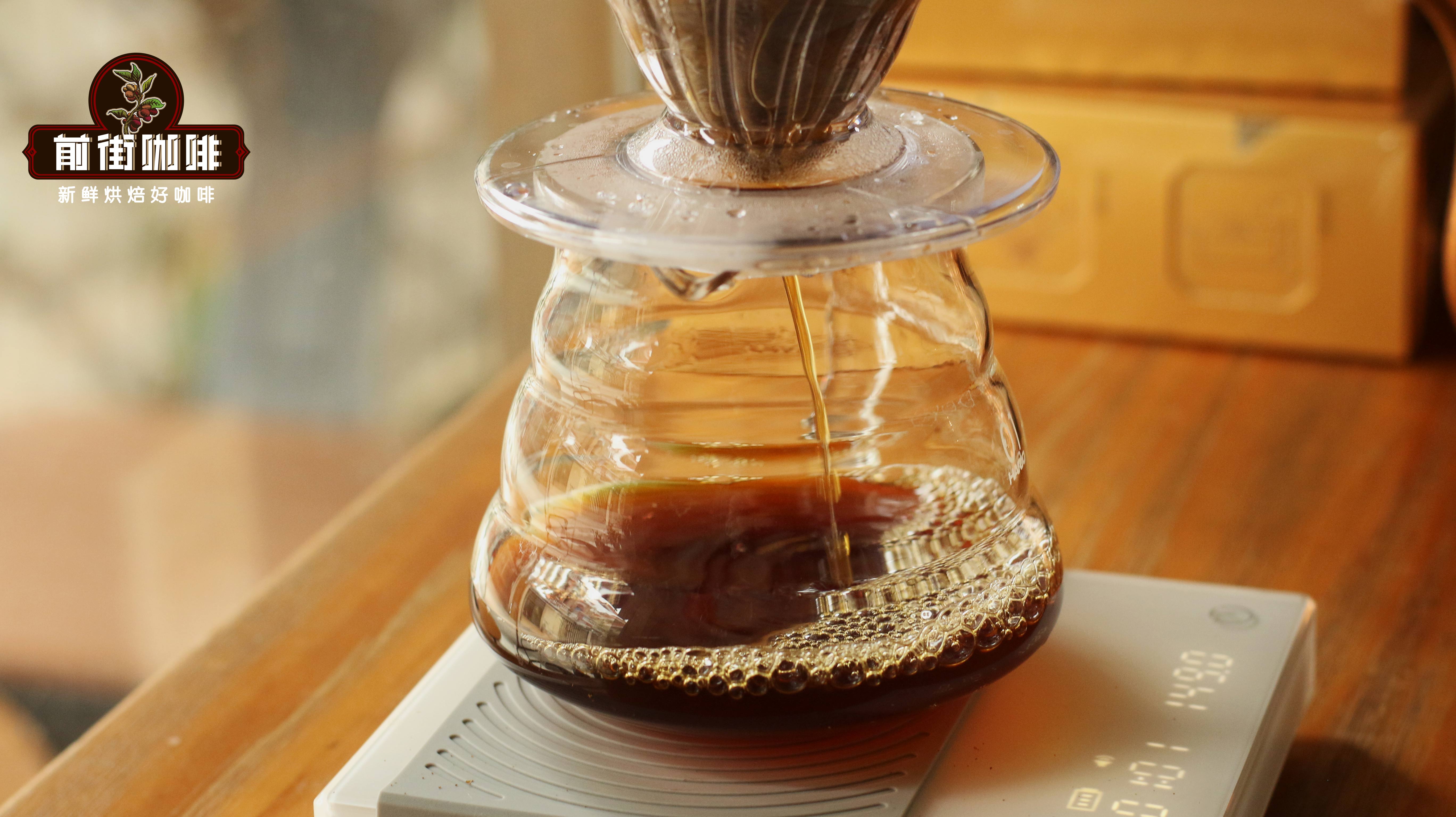
When the liquid level drops to about half, begin the third pour with a small stream, adding 100g of water in small circles. Try to avoid too wide a circle to prevent disturbing the coffee bed and under-extracting. The total brew water will be 225g, and the dripping should finish in about 2 minutes. After removing the cone, give the server a gentle swirl to mix the coffee before tasting.
The amount of water for each pour isn’t fixed—you can adjust based on your own pour-over experience and understanding of the beans. Front Street believes there are countless ways to brew a great cup of coffee. With more learning and practice, mastering pour-over parameters is well within reach.
Related Reading

Comments (0)
Loading comments...
You May Be Interested

Trending Reviews
Popular Videos

With you, wherever you are! We provide useful features to help you find new things you'll love






