Source:Best Coffee > News Author:qjroot Published:2024-11-24 09:34:01
When it comes to sweeter coffee, many people think of Costa Rican coffee, simply because most Costa Rican coffee is processed using the honey process. The honey process is a coffee processing method that falls between the natural process and the washed process, and it can increase the coffee's sweetness and caramel-like mouthfeel.
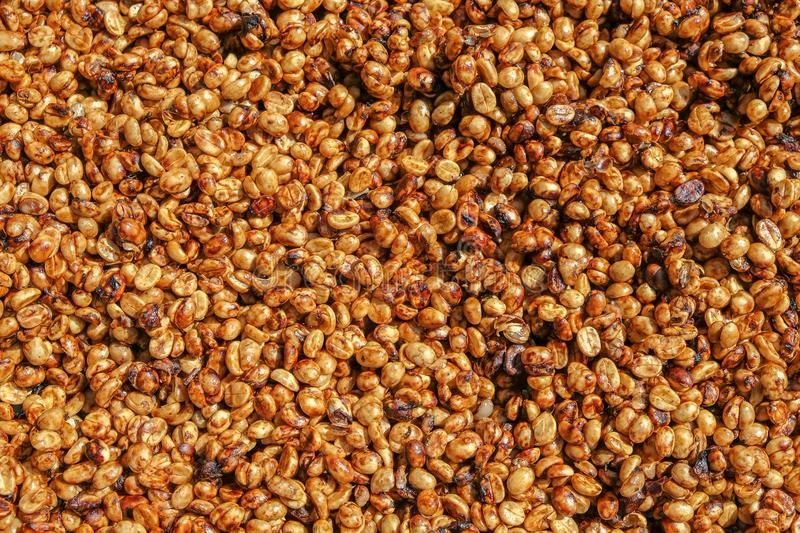
Honey process, also called Miel Process, and the "honey" comes from this "Miel," which means honey in Spanish. The earliest use of the term honey process came from Costa Rica, where locals like to call the sticky layer of pectin inside the fruit "Miel."
Although Costa Rica is the birthplace of the honey process, its predecessor was actually Brazil's pulped natural process. It was originally invented to save water in production. Costa Rica borrowed this method, and Costa Rica's geographical environment gave rise to the honey process.
Around the period from 1997 to 2000, because coffee prices on the international market were low, many coffee farmers stopped selling coffee cherries to large processing stations and began selling coffee in a self-produced, self-sold manner in order to earn more income and make a living. Therefore, after coffee farmers mastered coffee processing methods, they were able to experiment more, and at this time Brazil's pulped natural method was introduced to Costa Rica thanks to its water-saving characteristics.
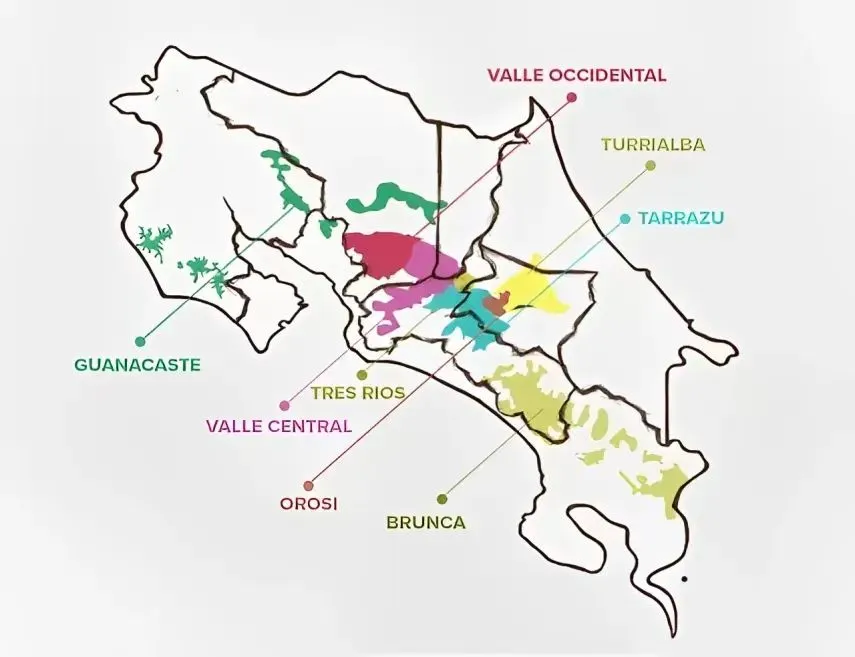
In addition, central Costa Rica is traversed by the Cordillera mountains. This mountain system brings Costa Rica many mountain ranges, basins and volcanoes, so all 7 of Costa Rica's coffee-producing regions are located in the central mountain ranges of the country, with coffee grown at altitudes between 1,200 and 1,650 m. However, because the country lies in the Pacific Ring of Fire, earthquakes are frequent, and in 2008 the country experienced a major earthquake.
Earthquakes caused severe power outages and water shortages in many places. In addition, the country is mainly in high mountain areas, where storing water is difficult, making it hard to support water-intensive washed processing. It also cannot rely on long hours of sunlight like African countries, and sun-dried processing carries greater risk. Local coffee farmers began to adopt this "water-saving" processing method.
Although at first some people thought that this processing method, which dries the beans together with the pulp and mucilage, could easily lead to uncontrollable fermentation, many farms obtained positive results after experimenting with it, and it greatly reduced water consumption. Later, through continuous improvement, honey processing was developed, and various honey processing methods with different flavors were further developed by controlling the degree of mucilage fermentation.
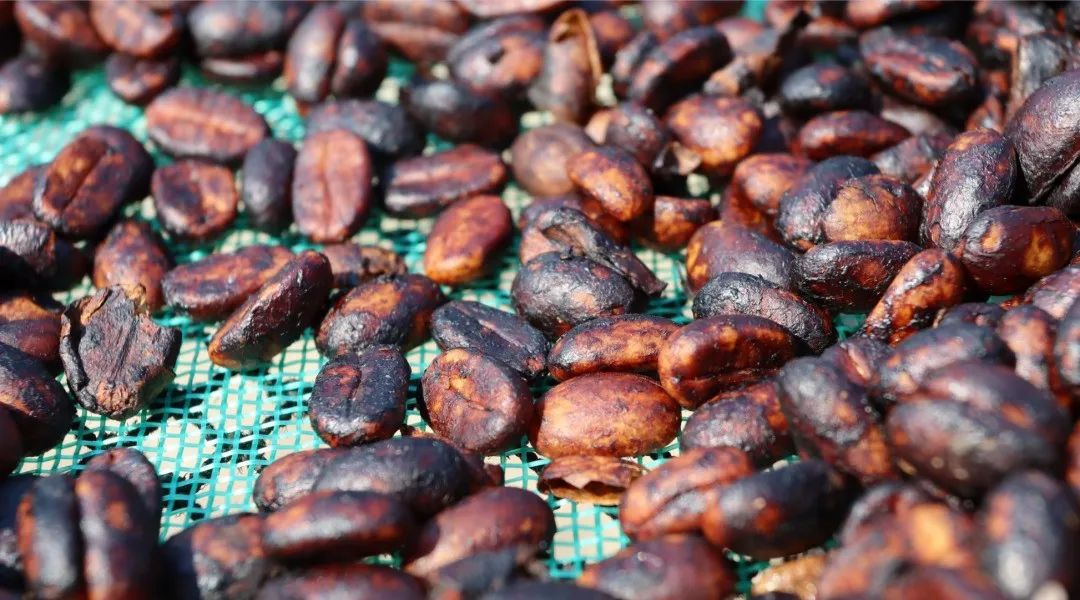
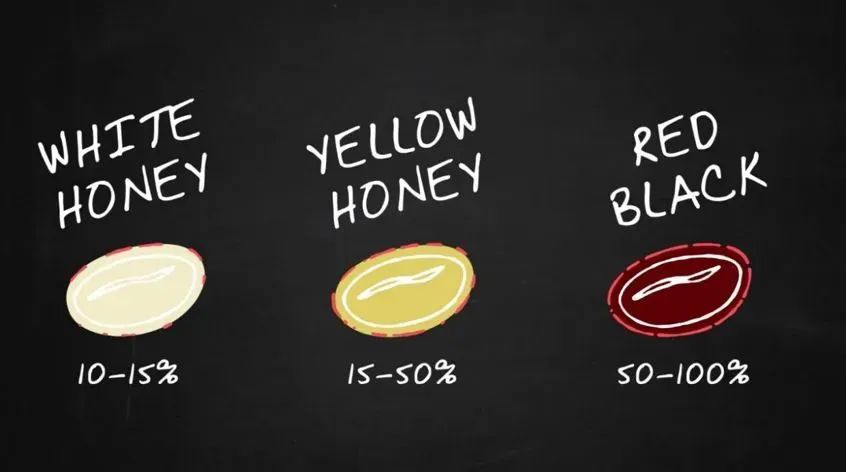
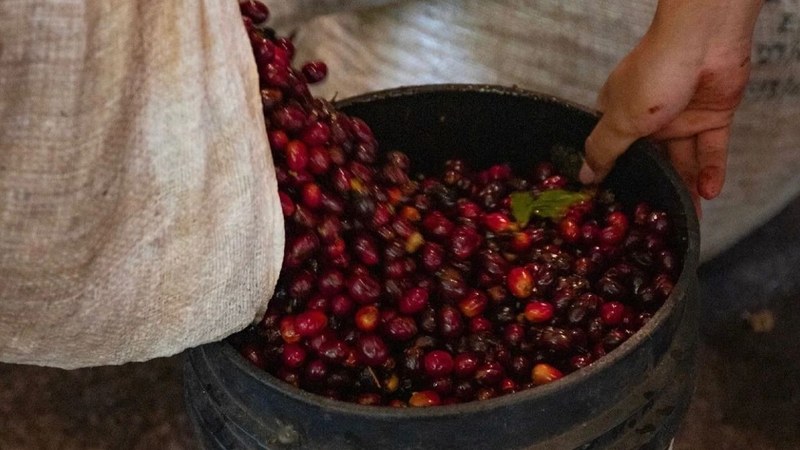
In the improved honey processing method, after the coffee cherries are harvested, a depulper is used to remove the skin and part of the mucilage from the coffee cherries, and then, without touching water at all, they are spread directly on raised drying beds to dry. By precisely controlling the thickness of the mucilage and the drying time, the beans are classified into black honey, red honey, yellow honey and white honey.

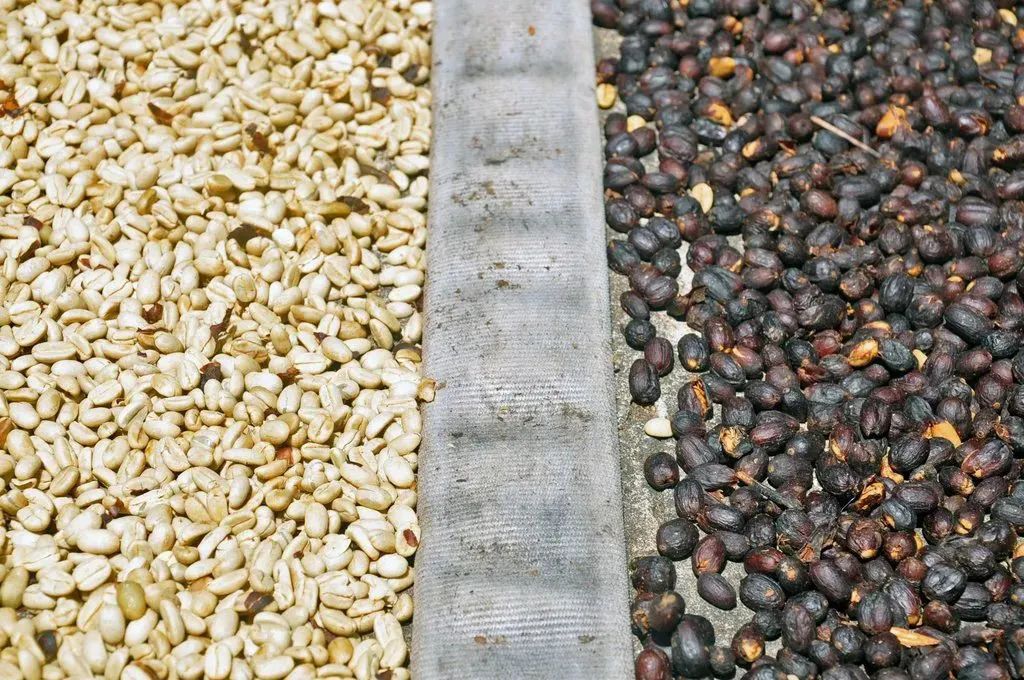
Because mucilage contains a lot of sugar, green beans that retain mucilage will oxidize when exposed to air. The surface of the beans changes from the initial yellow-white to golden yellow, and as fermentation continues, the beans may turn dark red or even black-purple, until the entire drying process is completed.
Red honey processing retains 80% of the mucilage and is sun-dried for 12 days, so the surface of the beans appears reddish-brown. Yellow honey processing retains 40-60% of the mucilage layer and is sun-dried for about 8 days; because the mucilage layer is thinner, the surface of the beans appears yellowish-brown. White honey retains less than 40% of the mucilage layer and has a shorter drying time, so the color of the beans is lighter. Black honey processing removes almost no mucilage and drying lasts more than 14 days, so the surface of the beans tends toward black-purple.
Currently, in Costa Rica, a newer and more complex processing method is also popular: raisin honey. In this method, after the coffee cherries are harvested, fully red ripe cherries are selected by flotation, then spread out directly to dry. Once the skin wrinkles like a raisin, the skin and pulp are removed, and the semi-dry mucilage is retained to continue drying until the entire drying process is complete.
This processing method uses almost no water and retains 100% of the mucilage, providing more sugar to the coffee beans and presenting the highest sweetness. However, this method has higher requirements and a higher risk of spoilage, and requires more effort to manage the green coffee beans during processing.

At Advance Coffee, there is a Strawberry Candy from Mirazu Estate in the Tarrazu region of Costa Rica that uses raisin honey processing. After brewing and tasting, it has strawberry and raisin flavors on the entry, candy and nut flavors in the finish, and a creamy, honey-like mouthfeel.
To learn more about coffee origins, please scan the QR code to follow: Kaping
Long-press the QR code to follow:

Related Reading






Comments (0)
Loading comments...
You May Be Interested





Trending Reviews
Popular Videos

With you, wherever you are! We provide useful features to help you find new things you'll love






