Source:Best Coffee > News Author:qjroot Published:2024-09-22 18:40:09
According to Brazilian media reports, in recent times, because Brazil experienced a severe drought, wildfires occurred frequently in Brazil, with serious impact. However, in recent days, as a cold front formed over the south, the dry and hot weather in southern Brazil was briefly eased. But at present the cold front has weakened, and temperatures have risen again.
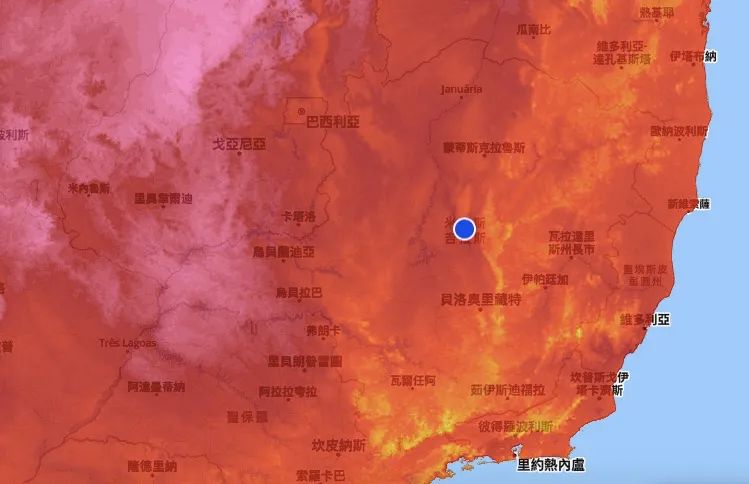
Currently, temperatures remain high in parts of central Brazil, with maximum temperatures reaching around 40°C. Moreover, according to data from the Brazilian National Institute of Meteorology (Inmet), air humidity is low across most of the country, especially in northern Sao Paulo, western Minas Gerais and parts of the Northeast, and with the return of dry and hot weather, air quality in Sao Paulo and Rio de Janeiro in the Southeast may deteriorate once again.
According to data from Brazilian media, the fire situation in several Brazilian states has now eased somewhat, and the hardest-hit areas such as Mato Grosso, Brasilia and Sao Paulo state have also reported that most fires are under control, with only a small number of areas still affected by fires.
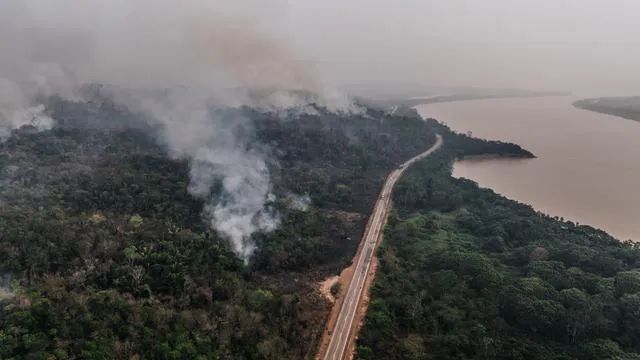
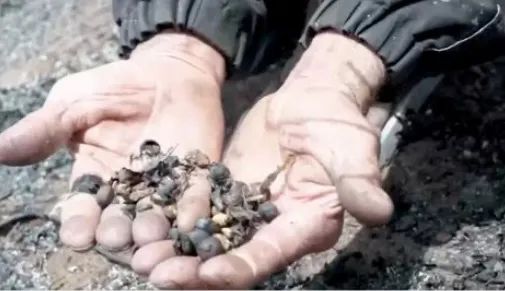
Although the fire situation has been brought under control, extreme weather such as drought and fires has severely impacted Brazil's coffee-growing industry. According to reports, in Sao Paulo state, a major coffee-producing region in Brazil, about 600 hectares of land were burned due to the wildfires, including large areas of coffee plantations.
According to local growers in Brazil, their estates lost about 8,000 to 10,000 coffee trees. They had originally expected to harvest 500 to 600 bags of coffee beans, but only harvested half, while the other half was burned. The head of the Sao Paulo State Department of Agriculture said that because this fire was mainly concentrated in sugarcane plantations, coffee plantations and livestock farms, and the smoke and other secondary hazards brought by the fire are affecting subsequent agricultural production, the losses are currently estimated to exceed 2 billion reais.
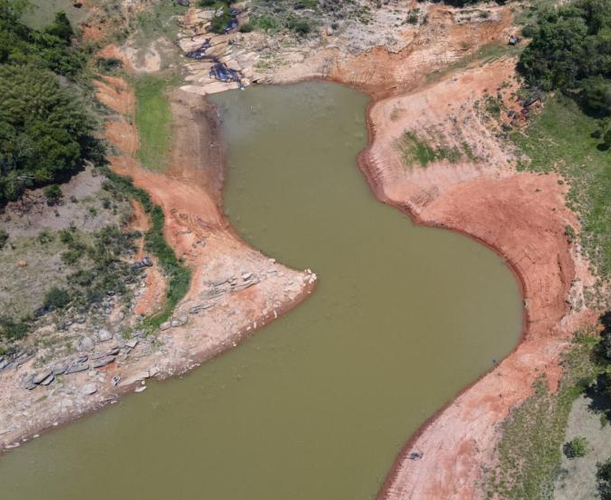
In addition, drought continues to affect the country's coffee industry. In several areas of Minas Gerais, Brazil's main coffee-producing state, there has been no rainfall for the past 167 days, and a famous nearby waterfall has dried up. The neighboring capital region of Brasilia has also been affected. According to reports, fires that started earlier in Sao Paulo state spread to the capital Brasilia and Mato Grosso state, burning large areas of farmland and woodland. Twenty percent of Brasilia National Park, about 7,700 hectares, caught fire, and the blaze at one point spread to the federal Santa Maria Reservoir, threatening the water supply for Brasilia and nearby areas.
At present, the severe nationwide drought in Brazil has caused water levels in several major domestic rivers to drop, frequent wildfires in many places, serious environmental pollution and reduced crop yields. According to Brazil's National Center for Monitoring and Early Warning of Natural Disasters, the current drought is the most severe in 70 years. This year's drought in Brazil has affected about 5 million square kilometers, or about 59% of the country's land area.
According to researchers' analysis, the severe drought in Brazil is related to climate warming and El Nino, among other causes. The El Nino phenomenon that began last July, combined with the warming of the tropical waters of the North Atlantic, continued to affect Brazil's climate in the first half of this year. These conditions changed atmospheric circulation paths, hindered the formation of rain clusters, and gradually reduced rainfall. Moreover, the outlook is not optimistic, and it is believed that before 2025, Brazil's drought may show no sign of easing, so the future of agriculture remains unpromising.
According to a report by the Brazilian Coffee Exporters Council (Cecafe), in August, Brazil exported a total of 3.733 million bags of coffee (60 kg/bag), with export revenue reaching US$955.6 million, both setting the best-ever performance for August, with transaction volume increasing 0.7% and foreign exchange revenue increasing 31%. From January to August 2024, Brazil has cumulatively exported 31.892 million bags of coffee, an increase of 39.2% compared with 22.915 million bags in the same period last year, and this was achieved while ports maintained a relatively high delay rate.
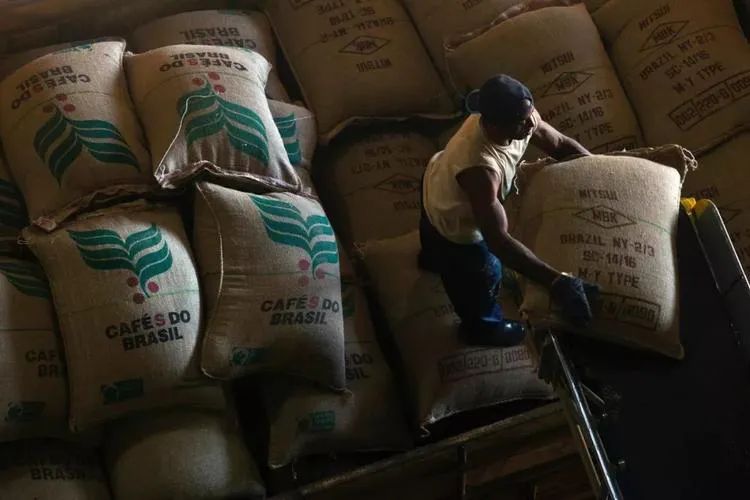
Such a high export volume is entirely due to the EU's deforestation regulation EUDR being about to take effect, causing EU traders to increase imports to ensure sufficient inventory after December 31EUDR takes effect. Early on, the Brazilian government and coffee traders of all sizes have applied to the EU for a postponement of EUDR implementation, but the EU has still not responded. Therefore, Rabobank believes that due to multiple influences, coffee prices will remain high until the end of 2024, and with Brazil suffering from drought, next season's output is difficult to estimate, which will be an unstable factor continuously affecting coffee prices.
To learn more about coffee origin information, please scan the QR code to follow: Kaping
Long-press the QR code to follow:

Related Reading


Comments (0)
Loading comments...
You May Be Interested




Trending Reviews
Popular Videos

With you, wherever you are! We provide useful features to help you find new things you'll love






