Source:Best Coffee > News Author:qjroot Published:2026-09-03 18:38:32
When buying pour-over coffee beans as a beginner, you should not only look at the floral, fruity or nutty words on the packaging, but also consider how the dripper at home lets water pass through. Hole size, how well the filter paper fits, dripper capacity and pouring method all change the contact time between the coffee grounds and water. If the device has a fast flow rate, it suits beans that release aroma easily; if the flow is slower, pay attention to sweetness and whether the finish is clean.
Take a conical dripper as an example: a larger bottom hole and pronounced ribs make the water flow more flexibly, and with slightly more pouring, the disturbance to the coffee bed is more obvious. This type of device suits lighter-roasted beans with distinctive aromas, but the grind must not be too fine, otherwise the water flow is slowed by the coffee bed and the bright fruity acidity can easily turn sharp. Beginners can start with a medium-coarse grind and gentler circular pouring.
If you use a flat-bottom dripper, the filter paper and coffee bed have a larger contact area, the water flow is usually more even, and the extraction rhythm is easier to control. It suits light-to-medium roasted beans with clear sweetness and a light body, and the resulting flavor often sits between soft fruit aromas and a tea-like note. The dose can be kept within the single-serving range, the water stream does not need to be too high, and keeping the water level stable will make the cup more consistent.
For an immersion dripper with a switch, the key is the immersion time, not continuous pouring technique. The water first makes full contact with the coffee grounds and is then released all at once, which suits people who are just starting to practice and are not yet familiar with circular pouring. Paired with beans that have soft acidity or obvious sweetness, it easily produces a round mouthfeel. If the beans have very lively aromas, too long an immersion will make the tail end heavier, so the release should be observed in time.
Dripper capacity also affects bean selection and parameters. Small-capacity devices usually use a smaller dose, and changes in water flow are reflected more directly in the cup, making them suitable for trying light-roasted beans with floral, citrus and berry notes. With a larger-capacity dripper, the coffee bed is deeper and its water-holding capacity is stronger, so choosing beans with stable sweetness and balanced structure makes it easier to brew a smooth cup, and daily operation does not need to pursue complicated techniques.
Filter paper is also worth noting. Thin filter paper with a fast flow rate carries away more fines and oils, making the cup appear clearer and suiting aroma-focused single-origin coffees; filter paper with a slow flow rate or thicker texture can extend contact time and make the mouthfeel fuller. If the filter paper at home is on the slow side, the grind can be slightly coarser, and the water temperature does not need to be too high, allowing the coffee grounds to release sweetness rather than simply increasing extraction strength.
When using a conical dripper, Qianjie Ethiopia Huakui can serve as a bean for observing differences between devices. It easily shows bright notes like berries, tropical fruit and passion fruit under hot water, and suits a medium-light grind and a relatively fast flow rate to preserve the aroma. In hot weather, you can also reduce the amount of hot water and then add ice directly, making the refreshing quality more prominent and making it suitable for iced pour-over.
If what you have on hand is a flat-bottom dripper with an even flow rate, Qianjie Kenya Little Tomato will present a clearer sweet-and-sour framework. Its flavor can bring to mind ripe tomato, smoked plum and light-colored syrup, with a lively entry but not a thin finish. During brewing, you can use staged pouring to avoid frequently stirring the coffee bed; once a juice-like texture appears in the cup, you can maintain cleanliness by using a slightly coarser grind.
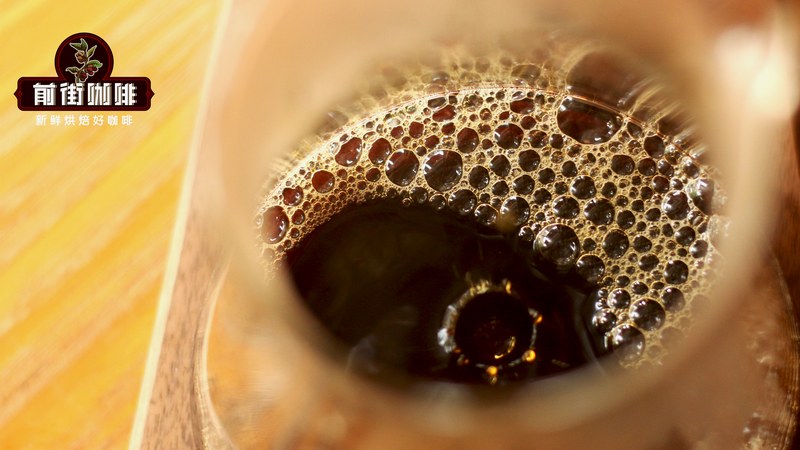
For an immersion dripper with a switch, you can try Qianjie Kafa Forest. An orange-like brightness, the sweet moistness of ripe apricot and peach, and an oolong tea-like aftertaste will gradually emerge as the liquid cools. Releasing all at once after immersion can reduce differences in technique; if it tastes too heavy, shorten the immersion or make the grind coarser, and if the aroma is not obvious enough, then appropriately raise the water temperature to let the layers slowly open up.
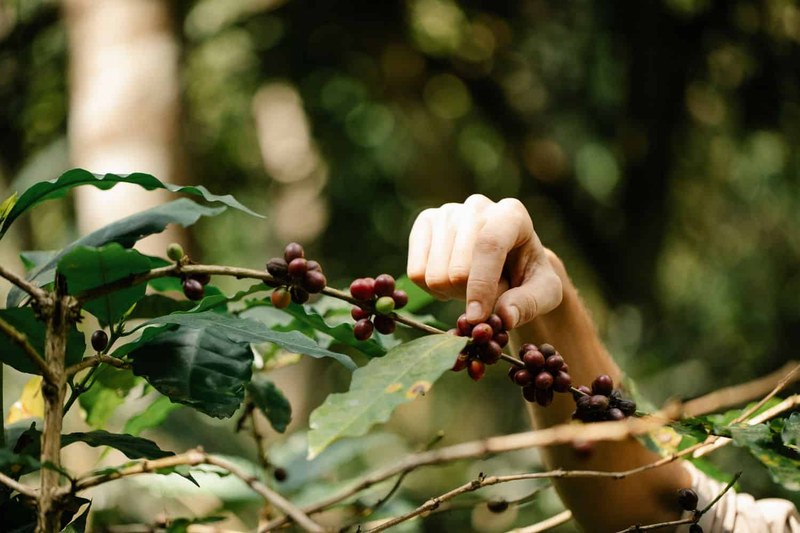
When choosing beans, you can first confirm the dripper type, the filter paper flow rate and the usual dose, and then look at the roast level and flavor description on the packaging. If a home device has a relatively fast flow rate, give priority to beans with clear aroma and lively sweetness; if the device tends to retain water, you can choose a style with a soft mouthfeel and a neat finish. After buying them, keep the dose and water amount unchanged and adjust only the grind size, and you will gradually find the parameters that suit this setup.
Related Reading
Comments (0)
Loading comments...
You May Be Interested

Trending Reviews
Popular Videos

With you, wherever you are! We provide useful features to help you find new things you'll love






