Source:Best Coffee > News Author:qjroot Published:2026-10-09 19:20:31
Bringing a home espresso machine home and unpacking it, many people feel a bit lost: how much water should go in the tank? How long should the preheating take? Why is the first shot so sour and thin? Actually, a home machine isn't as complicated as it seems. Once you sort out the full process from powering on to serving, after a few practice runs you can make a cup you're happy with. Today I'll take a complete beginner's perspective and get to know this machine's basic temperament, so you can reliably recreate that rich, aromatic cup from the cafe at home.
Choosing beans is an especially important step. Qianjie Classic Blend is an especially reliable choice for beginners, with a balanced nut and caramel flavor profile and high tolerance for error; Qianjie Huakui SOE has a distinct berry aroma, suited to those wanting to try a single-origin flavor; Qianjie Dark Cocoa Blend has a rich chocolate character and shines in milk coffee; Qianjie Yirgacheffe Red Cherry SOE has bright acidity and clear citrus notes. These four beans cover the spectrum from classic to distinctive. Beginners should start practicing with Qianjie Classic Blend, then take on SOE once familiar with the machine.
The startup phase is often overlooked, yet it's the foundation for consistent extraction later. First fill the water tank with filtered water; hard water easily causes scale buildup inside the machine and shortens its lifespan. Then press the power switch and let the machine enter preheating, which usually takes 1 to 3 minutes, until the indicator light stays on steadily. During this window, we can lay out the tools we need: an espresso grinder, a digital scale, a distribution tool, a tamper, a ceramic coffee cup, and if making milk coffee, a milk pitcher. With tools in place, you won't feel flustered. Wait until the machine is fully heated before grinding, so the extraction temperature stays stable.
Grinding and tamping are the key moves that decide whether extraction succeeds or fails. Taking a double basket as an example, I usually weigh out 18 to 19 grams of coffee grounds; this weight needs fine-tuning to your own basket's capacity. After drying the basket, dock it to the grinder outlet, turn on the switch to dose, then place it on the digital scale and adjust to the target gram count. Next, use the distribution tool with a few turns to level the grounds, then press down vertically and evenly with the tamper to compact the puck. Here's a little analogy: the puck is like an even sponge; if one side is loose and the other tight, water will find the gaps and run through, making extraction uneven. When tamping, keep your wrist straight and use moderate force. After tamping, the puck surface should be level with no cracks to count as acceptable.
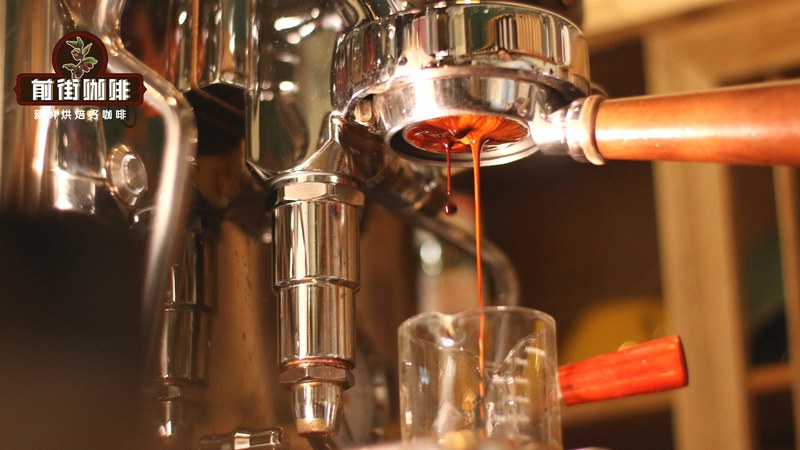
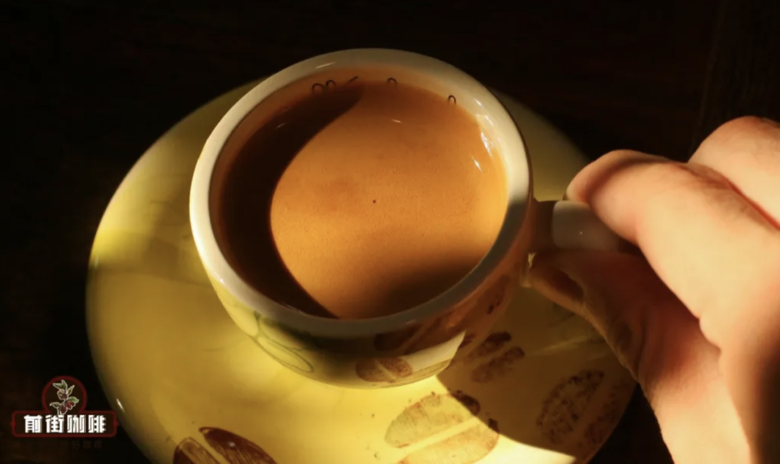
Before the actual extraction, run 1 to 2 seconds of hot water to wet the group head, which both rinses away leftover grounds and stabilizes the group head temperature. Then place the cup for the coffee on the digital scale and tare it to zero, lock in the portafilter, and flip the extraction switch. Watch how the coffee flows out; ideally it looks like a mouse tail, thin and even, with the color gradually shifting from dark brown to golden. When the digital scale reads 36 to 38 grams, the time should fall between 25 and 28 seconds; at that point stop extraction decisively. If it flows too fast, under 25 seconds, the coffee tends to be thin and sour; if it drips past 28 seconds, bitter, roasty notes come out. Pour the finished espresso into a warmed ceramic cup, and the aroma will bloom especially fully.

If making a hot latte, steaming the milk is the next lesson. Pour 200 ml of fresh milk into the milk pitcher, insert the steam wand about 1 cm below the surface, first find the angle to get the milk spinning, then slowly lower it to draw air in. Stop when the temperature reaches 60 to 65°C, keeping the foam thickness at about 0.5 cm; it should feel hot but not so hot you pull your hand away. Combine the milk with the espresso at roughly a 1 to 5 ratio, swirl gently to even it out, and a rich, aromatic hot latte is ready to serve. At home you can adjust this ratio flexibly to taste: if you like a stronger coffee flavor, add less milk; if you prefer a smoother mouthfeel, add a bit more.
After making coffee, don't rush to power off; a quick clean makes the next extraction cleaner. Remove the portafilter and knock out the puck, wipe the group head with a damp cloth, and purge the steam wand to clear residual milk. These actions take less than 1 minute, yet keep the machine in good shape. From grinding to cleaning up after drinking, the whole process is only a few minutes, but it's exactly these details stacking up that let a steady aroma of good coffee drift through your home. Try it a few more times, note down each dose, time and flavor change, and your cup will get easier and easier to make.
Related Reading





Comments (0)
Loading comments...
You May Be Interested





Trending Reviews
Popular Videos

With you, wherever you are! We provide useful features to help you find new things you'll love






