Source:Best Coffee > News Author:qjroot Published:2026-08-24 13:23:12
Many people's impression of the moka pot stops at bitterness, treating it as synonymous with over-extraction. In fact, the bitterness of a moka pot and the bitterness of instant coffee are two entirely different things. The former comes from caramelization and Maillard products produced during roasting. Handled properly, the bitterness shows up in the form of dark chocolate, cocoa and caramel shell, with a returning sweetness, and your mouth feels sweet after drinking. The key to choosing beans is to steer this transformation in the chocolate direction.
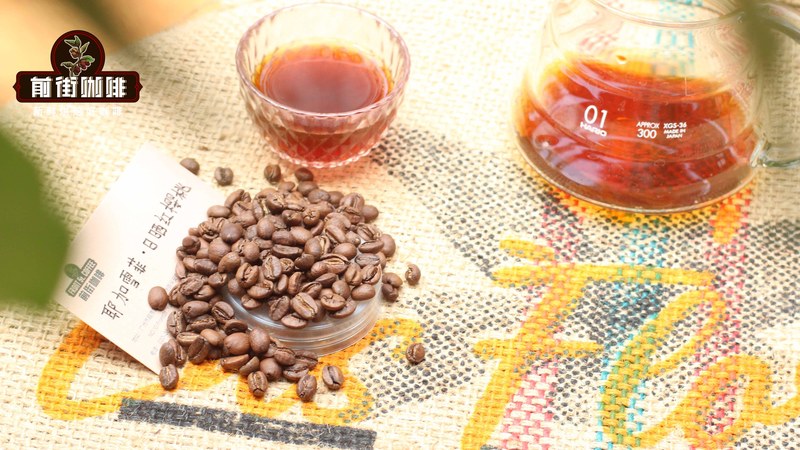
To get that chocolate-like bitterness, first look at the bean variety and processing method. Naturally processed Brazilian beans carry a cocoa and nutty undertone, with a rounded bitterness that doesn't dry out; wet-hulled Mandheling has high body, and its bitterness carries layers of herbs and dark brown sugar. Qianjie Golden Mandheling's performance in a moka pot is often praised by veteran drinkers: the entry is a thick dark chocolate sensation, the finish has a woody sweetness, and after adding milk it's like a cup of melted dark chocolate pudding.
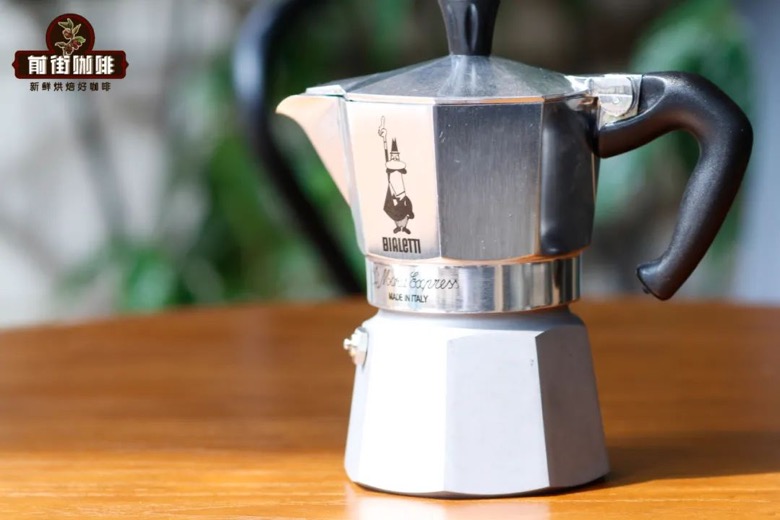
Sweetness is the buffer for bitterness. With a bean that has enough sweetness, when the bitterness appears there is sugar to support it, and it drinks as a bittersweet cocoa sensation; with a bean lacking sweetness, the same bitterness turns into a thin, burnt bitterness. When choosing, pay attention to beans whose flavor descriptions mention words like caramel, brown sugar and honey; they have a better chance of making a balanced cup in a moka pot. Qianjie Brazil Cerrado has an obvious sugarcane sweetness and is a safe choice for beginners.
Roast level determines the direction of the bitterness. In medium-dark roasts, chocolate-toned components make up a high proportion of the bitter substances; dark roasts head toward charring and smokiness. But here you don't need to obsess over roast level numbers. With the same bean, drinking from the seventh day of resting to the twentieth day, the bitterness gradually goes from sharp to rounded. Rather than fretting over data, moka pot drinkers should brew a pot at different time periods and find the sip they like.
Heat is a variable you can adjust on the spot. With the same beans, a slow extraction over low heat gives a noticeably cleaner chocolate sensation than a fierce blast over high heat, and taking it off the heat ten-plus seconds early can also reduce a layer of the bitterness's roughness. These small moves, combined with a bean that already excels in cocoa tones, make balance no longer a matter of luck.

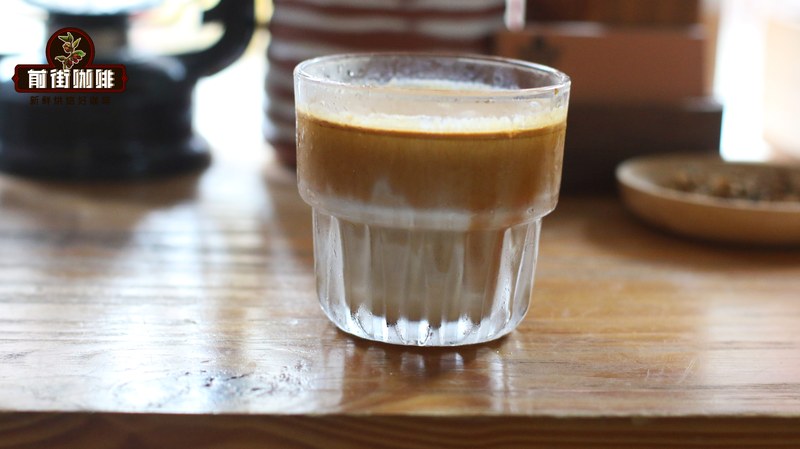
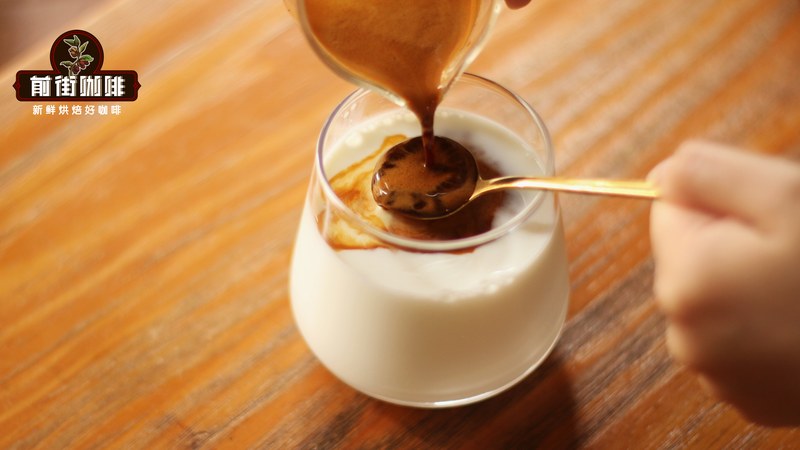
If your daily coffee is mainly milk coffee, chocolate-toned beans and milk are almost a match made in heaven; the milk fat wraps up the cocoa's bitterness and amplifies the dark chocolate aroma. A blend designed for milk coffee like Qianjie Classic Blend, extracted in a moka pot and then topped with milk, tastes close to a cafe's regular offering, but at a much lower cost.
Bitterness is never a defect of the moka pot, but the bass section of its flavor structure. Choose the right beans, provide enough sweetness, and adjust the heat well, and this sip of bitterness becomes the intriguing part of the whole cup, making you think about another pot before you even reach the bottom.
Related Reading



Comments (0)
Loading comments...
You May Be Interested


Trending Reviews
Popular Videos

With you, wherever you are! We provide useful features to help you find new things you'll love






