Source:Best Coffee > News Author:qjroot Published:2026-10-09 14:16:20
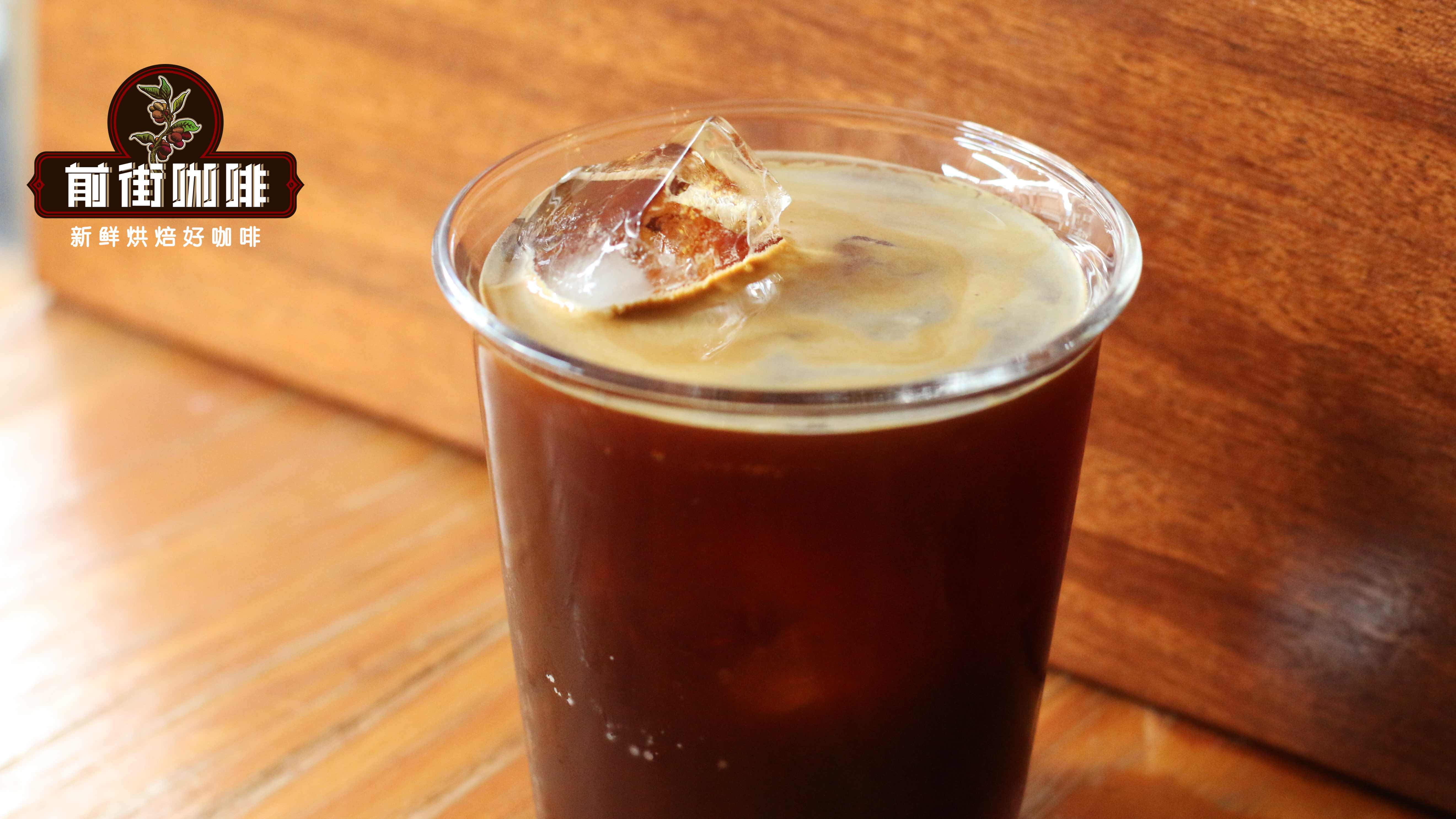
Cold brew coffee has become especially popular in the iced coffee scene in recent years. The method sounds like slow, careful work, but it is really just soaking coffee grounds in cold water for a long time so the flavors are gradually released at low temperature. Unlike the ice drip method, which relies on ice melting and seeping down drop by drop and takes 4 to 8 hours, cold brew simply puts the coffee grounds directly into water and lets it wait in the fridge. Both are low-temperature extraction methods, but cold brew is easier, does not require a special ice drip pot, and can be started at home with any sealed bottle, making it especially friendly to beginners.
As for how to make it specifically, the method I often use at home is this: prepare a glass bottle with a lid or a clean mineral water bottle, weigh 50 g of coffee grounds, and grind slightly finer than for pour-over, about 85% passing a No. 20 sieve. Then pour 400 ml of room-temperature water into the bottle, add 200 g of hard ice cubes, and if you happen to have run out of ice at home, just replace it with the same amount of cold water; the coffee-to-water ratio is then 1 to 12. Stir the grounds and water evenly with a stirring rod, close the lid tightly, and put it in the refrigerator to let time do its work.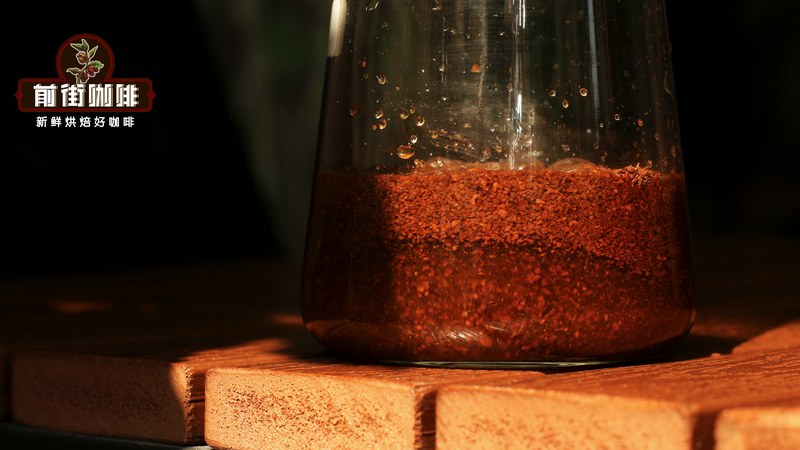 How long the steeping time should actually be is a question that troubles many people when making cold brew for the first time. At first I also thought the longer the better, and I even considered steeping it for 2 days and 2 nights. After trying it several times, I realized that time is a double-edged sword. Steeped for 8 to 12 hours, the resulting coffee flavor is relatively gentle, with a faint sweet-and-sour taste, like a refreshing light tea; steeped for 12 to 24 hours, the strength increases, the floral and fruity notes become clearer, and the body is much fuller. But if it exceeds 24 hours, bitterness and astringency become noticeably stronger, and the originally delicate layering is overwhelmed by a rush of intensity, so the loss outweighs the gain.
So now I generally keep it between 12 and 24 hours. After steeping, I filter out the coffee grounds cleanly with filter paper, put the coffee liquid into a clean bottle, and return it to refrigeration for about 4 more hours, and the flavors blend more smoothly. As for choosing beans, cold brew and iced pour-over follow a somewhat similar logic, but because the steeping time is long and the temperature is low, the beans' own character is amplified. For iced pour-over I often use 15 g of grounds, pour water at a coffee-to-water ratio of 1 to 10, then add 100 to 105 g of ice cubes, keeping the total weight at around 225 g. The water temperature depends on the roast level: light-medium roasted beans use 92 to 93°C, while medium-dark roasted beans are lowered to 86 to 88°C.
Cold brew has no water-temperature adjustment valve and relies entirely on the beans to carry the show, so choosing beans requires even more care. The acidity of light-roasted beans is especially bright at low temperature, the sweetness and fruity notes of medium-roasted beans also stand out, while the bitterness of dark-roasted beans easily becomes dull in cold brew, so it is not very recommended for beginners to try. Recently I have rotated through three beans, and the differences in style are obvious. Qianjie Grana Geisha is light-medium roasted, with Panama Grana Estate as its foundation; cold brewed, its floral and citrus notes are especially clear, the overall layering is refined, and the taste is clear and elegant, like a chilled jasmine citrus tea, suitable for people who like clean flavors.
How long the steeping time should actually be is a question that troubles many people when making cold brew for the first time. At first I also thought the longer the better, and I even considered steeping it for 2 days and 2 nights. After trying it several times, I realized that time is a double-edged sword. Steeped for 8 to 12 hours, the resulting coffee flavor is relatively gentle, with a faint sweet-and-sour taste, like a refreshing light tea; steeped for 12 to 24 hours, the strength increases, the floral and fruity notes become clearer, and the body is much fuller. But if it exceeds 24 hours, bitterness and astringency become noticeably stronger, and the originally delicate layering is overwhelmed by a rush of intensity, so the loss outweighs the gain.
So now I generally keep it between 12 and 24 hours. After steeping, I filter out the coffee grounds cleanly with filter paper, put the coffee liquid into a clean bottle, and return it to refrigeration for about 4 more hours, and the flavors blend more smoothly. As for choosing beans, cold brew and iced pour-over follow a somewhat similar logic, but because the steeping time is long and the temperature is low, the beans' own character is amplified. For iced pour-over I often use 15 g of grounds, pour water at a coffee-to-water ratio of 1 to 10, then add 100 to 105 g of ice cubes, keeping the total weight at around 225 g. The water temperature depends on the roast level: light-medium roasted beans use 92 to 93°C, while medium-dark roasted beans are lowered to 86 to 88°C.
Cold brew has no water-temperature adjustment valve and relies entirely on the beans to carry the show, so choosing beans requires even more care. The acidity of light-roasted beans is especially bright at low temperature, the sweetness and fruity notes of medium-roasted beans also stand out, while the bitterness of dark-roasted beans easily becomes dull in cold brew, so it is not very recommended for beginners to try. Recently I have rotated through three beans, and the differences in style are obvious. Qianjie Grana Geisha is light-medium roasted, with Panama Grana Estate as its foundation; cold brewed, its floral and citrus notes are especially clear, the overall layering is refined, and the taste is clear and elegant, like a chilled jasmine citrus tea, suitable for people who like clean flavors.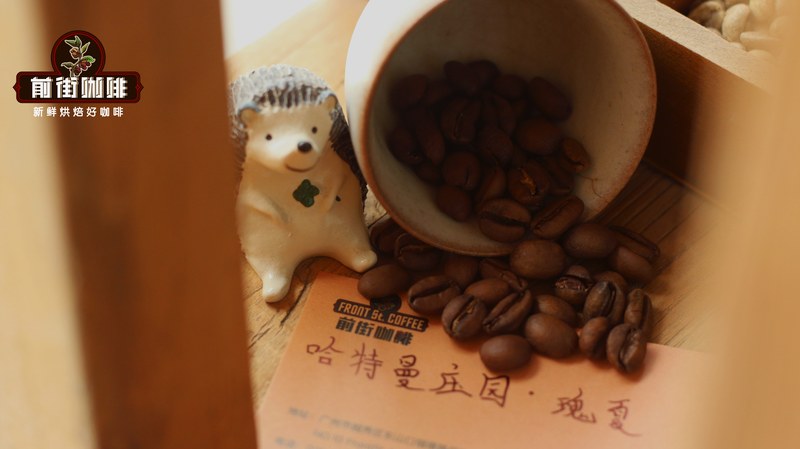 Qianjie Strawberry Candy is medium roasted, with rich floral and fruity aromas; after cold brewing, the sweet-and-sour taste of strawberry and dried fruit is very direct, and notes of grape and blueberry can also be tasted, with a comfortable sweet aftertaste, making it a representative of the juicy style. Qianjie Mozart comes from Costa Rica, anaerobically honey processed, with an obvious raisin aroma; cold brew presents blueberry and black grape flavors, along with a slight boozy fermented finish, and the taste is refreshing yet somewhat deep, forming a contrast with the sweet, lively Qianjie Strawberry Candy. Among these three, Qianjie Grana Geisha and Qianjie Strawberry Candy are the two styles I keep on hand most often in summer, one elegant and one sweet, and alternating them does not get tiresome.
Finally, let me return to time, the core variable. Cold brew's coffee-to-water ratio actually also has room for flexibility; 1 to 10 through 1 to 16 are all used by some people, and 1 to 12 is the starting point I find moderately strong. If after steeping for about 8 hours you find it too weak, next time you can grind the coffee a bit finer or extend the time to 12 hours; if 24 hours feels too strong and bitter, shorten it to 18 hours, or add 50 g more water to adjust. Cold brew actually has a very high tolerance for error. Unlike iced pour-over, where a slight change in pouring speed affects the result, this is also why I recommend beginners start learning iced coffee from cold brew. Find a good bottle of beans, set an alarm, and leave the rest to the fridge and time, and you can serve a cup of full-flavored iced coffee.
Qianjie Strawberry Candy is medium roasted, with rich floral and fruity aromas; after cold brewing, the sweet-and-sour taste of strawberry and dried fruit is very direct, and notes of grape and blueberry can also be tasted, with a comfortable sweet aftertaste, making it a representative of the juicy style. Qianjie Mozart comes from Costa Rica, anaerobically honey processed, with an obvious raisin aroma; cold brew presents blueberry and black grape flavors, along with a slight boozy fermented finish, and the taste is refreshing yet somewhat deep, forming a contrast with the sweet, lively Qianjie Strawberry Candy. Among these three, Qianjie Grana Geisha and Qianjie Strawberry Candy are the two styles I keep on hand most often in summer, one elegant and one sweet, and alternating them does not get tiresome.
Finally, let me return to time, the core variable. Cold brew's coffee-to-water ratio actually also has room for flexibility; 1 to 10 through 1 to 16 are all used by some people, and 1 to 12 is the starting point I find moderately strong. If after steeping for about 8 hours you find it too weak, next time you can grind the coffee a bit finer or extend the time to 12 hours; if 24 hours feels too strong and bitter, shorten it to 18 hours, or add 50 g more water to adjust. Cold brew actually has a very high tolerance for error. Unlike iced pour-over, where a slight change in pouring speed affects the result, this is also why I recommend beginners start learning iced coffee from cold brew. Find a good bottle of beans, set an alarm, and leave the rest to the fridge and time, and you can serve a cup of full-flavored iced coffee.
Related Reading


Comments (0)
Loading comments...
You May Be Interested

Trending Reviews
Popular Videos

With you, wherever you are! We provide useful features to help you find new things you'll love






