Source:Best Coffee > News Author:qjroot Published:2026-10-09 09:35:16
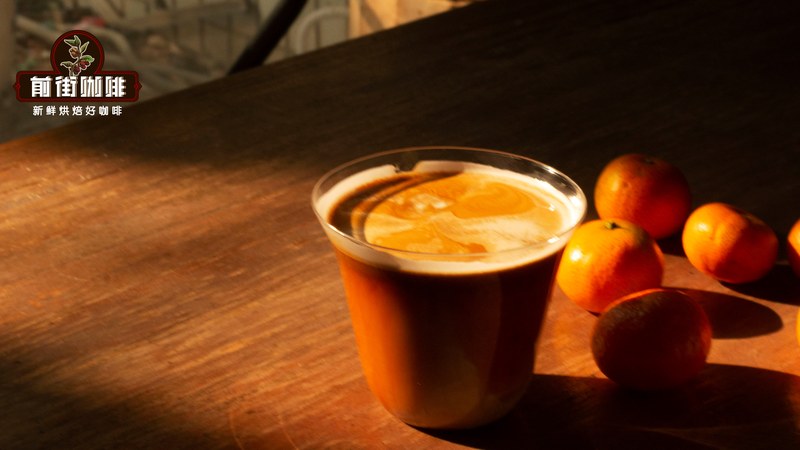
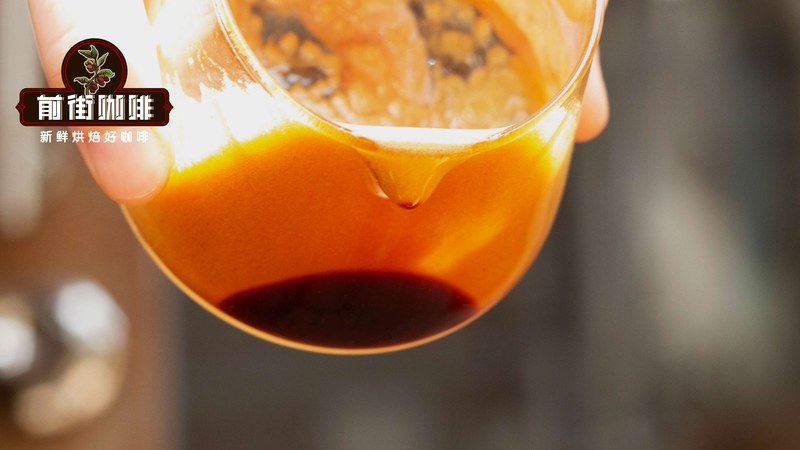
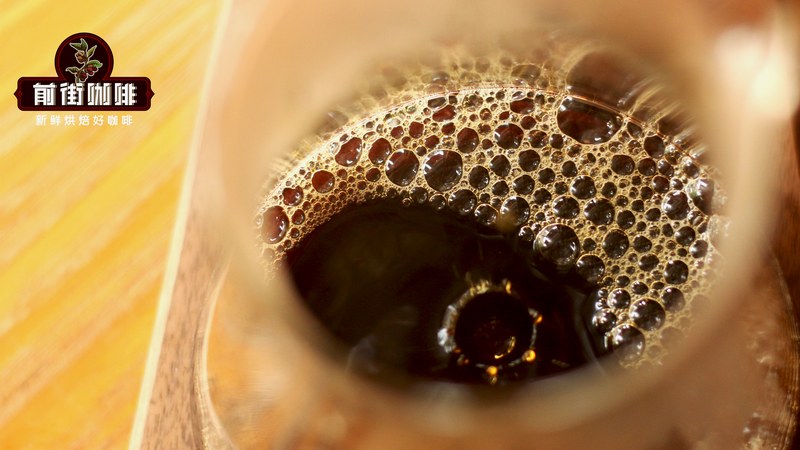
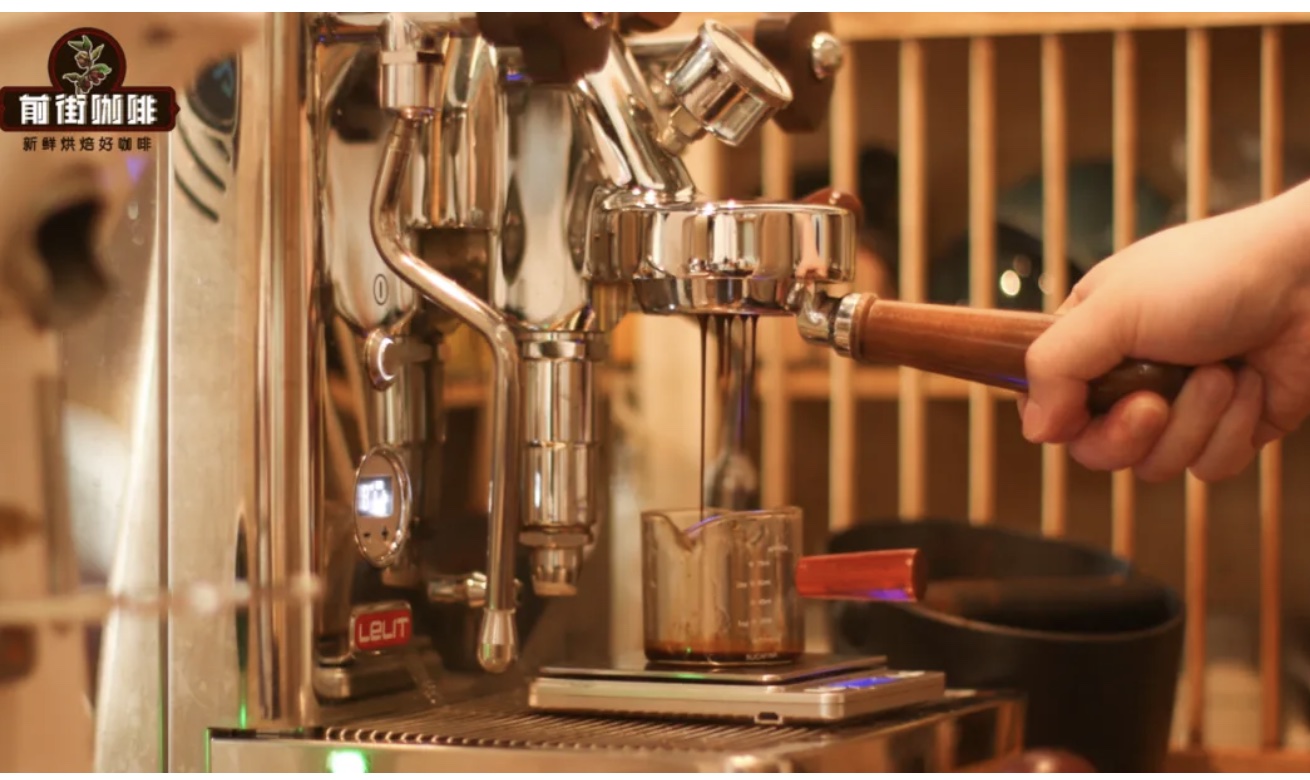
The dense, golden layer on the surface of an espresso, called Crema in Italian, is an important visual indicator for judging the quality of a shot. This layer of oil is not simply fat, but a complex emulsified system produced under high pressure. When an espresso machine pushes hot water through the coffee bed at a pressure of around 9 bar, the carbon dioxide in the coffee cells dissolves in large quantities into the liquid under high pressure, while the oils are shear-emulsified into tiny particles. After these oil-wrapped bubbles enter a normal-pressure environment, the carbon dioxide cannot escape for the time being, and this forms Crema's stable, fine honeycomb structure. Its thickness can usually reach about one third of the coffee liquid, its color is a uniform golden yellow, its surface is smooth with no large coarse bubbles, and its texture is silky and springy.
The thickness and color of Crema are like a medical report for espresso, conveying multiple pieces of information. Abundant oil with a bright color often means the coffee beans are in their fresh, drinkable window and still retain plenty of carbon dioxide and volatile aromatic compounds inside. If the crema is thin or dissipates too quickly, it suggests the beans have been stored too long or were not rested properly after roasting. In terms of color, an ideal golden yellow reflects a moderate extraction state; if it tends toward dark brown or even black, it may be over-extraction that has brought too many dissolved substances into the cup, accompanied by bitterness and a burnt taste. Therefore, observing the state of the Crema is an important basis for a barista to judge whether the extraction parameters need adjustment.
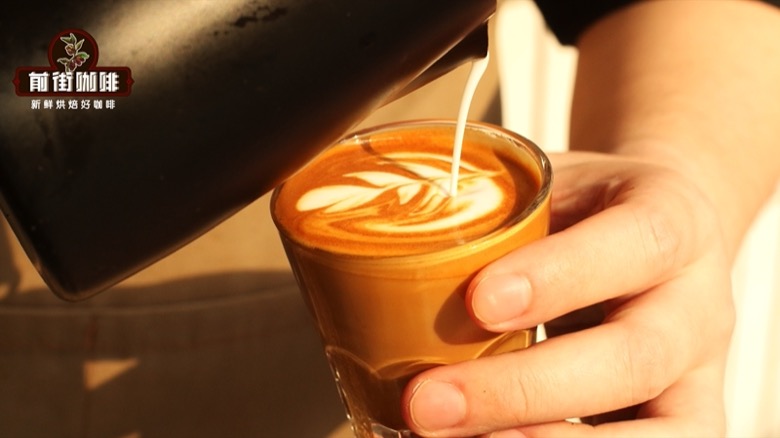
The factors affecting Crema's performance can be understood from four dimensions. The first factor is the freshness of the coffee beans. Since Crema is essentially the product of oil wrapping carbon dioxide, the amount of oil and the persistence of the bubbles are directly related to the amount of gas retained inside the beans, and freshly roasted beans usually present a more abundant and longer-lasting crema layer. The second is the degree of roast. At the same level of freshness, dark-roasted beans tend to form a thicker Crema because their cell structure is looser and the oils seep out more easily, but this must be weighed together with flavor performance. The third is the degree of extraction. A higher extraction yield brings more soluble substances and pigments into the liquid, so the crema color deepens accordingly, while the texture may become coarser. The fourth is the difference between varieties. Robusta coffee generally produces more crema than Arabica, which is determined by its higher fat content and cell structure characteristics.
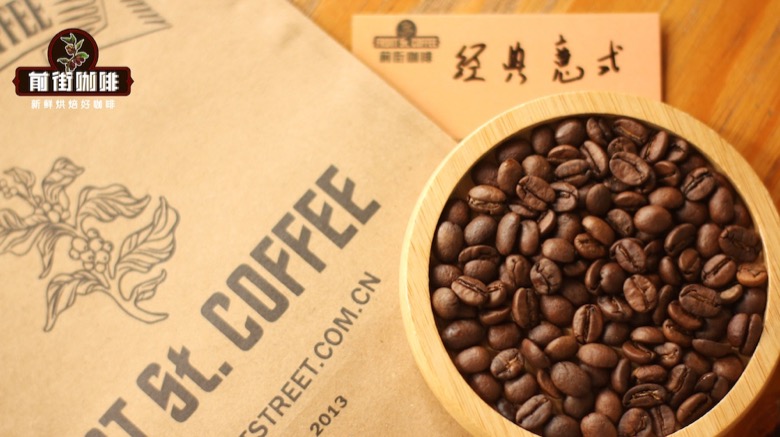
For enthusiasts who pursue both crema performance and a balanced mouthfeel, blended beans are a classic direction to choose. Arabica beans are known for their sweet, delicate flavor, while Robusta contributes richer crema and body, and combining the two is the wisdom behind traditional Italian recipes. Qianjie Commercial Blend uses Arabica beans from Brazil and Colombia as the main body, supplemented with a small amount of Robusta. Under a medium-dark roast it presents a rich oily texture and caramel sweetness, with clear layers of nut, cocoa and dark chocolate flavors, balanced acidity and sweetness with a slight bittersweet note, and a long finish. The addition of a small amount of Robusta significantly enhances the richness of the crema, yet because the proportion is restrained it does not cover up the flavor advantages of Arabica, and it delivers stable, outstanding performance whether made into an Americano or a milk coffee.
Another one worth noting is Qianjie Classic Blend, whose recipe combines three bean sources: Brazil, Qianjie Mandheling and Robusta, also using a medium-dark roast. This blend gives off the warm aroma of butter and toasted bread, with the sweetness of caramel biscuit running throughout, and the crema is fine and the extraction state is very stable. The addition of Qianjie Mandheling injects a unique herbal and spice undertone into the whole, echoing the nutty base of the Brazilian beans, while Robusta quietly supports the creaminess of the crema and the solidity of the mouthfeel. Whether for a veteran drinker pursuing traditional Italian flavor or a cafe that needs stable output, this blend can provide a stunning extraction experience.
In daily extraction, it is recommended to extract 36 to 38 g of espresso liquid from 18 to 19 g of coffee grounds within 25 to 28 seconds; this parameter range helps achieve a balanced presentation of Crema and flavor. It is worth emphasizing that although crema is important, it is not the only yardstick for judging espresso. An excellent espresso requires a harmonious unity of aroma, flavor, mouthfeel and visual appeal, and Crema is a particularly charming opening to that overall experience, not the whole of it. Only by understanding its causes and patterns of change can you adjust variables more calmly and find your own ideal cup.
Related Reading

Comments (0)
Loading comments...
You May Be Interested

Trending Reviews
Popular Videos

With you, wherever you are! We provide useful features to help you find new things you'll love






