Source:Best Coffee > News Author:qjroot Published:2026-09-07 11:34:46
Once SOE beans enter the dripper, the floral notes, fruit acidity and sweetness are spread apart by a lower-concentration coffee liquid, so of course they can be pour-over brewed. SOE is simply a concept for using single-origin espresso; it does not require an espresso machine to complete. The same bean shows its aroma unfolding in pour-over, while in espresso you look at how sweetness, body and the acidity-bitterness come together, and the parameters should switch with the bean's condition.
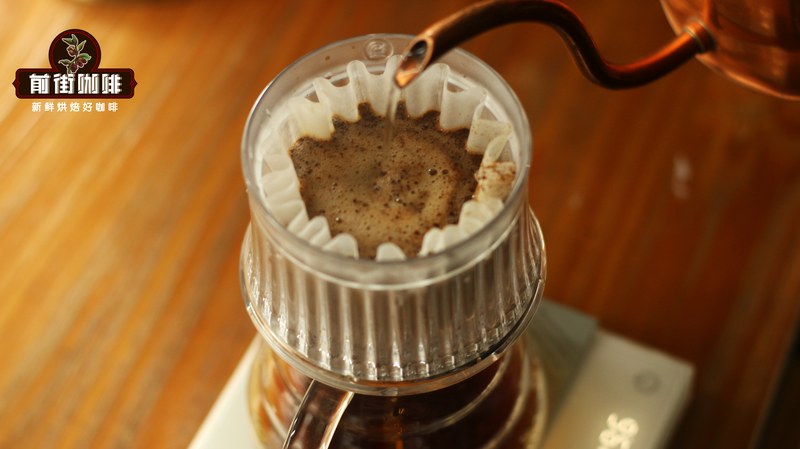
Before making a plan, you can observe the roast color, bean density and the flavor description on the package. An SOE that is light in color, hard in density and leans floral-fruity needs a higher water temperature and full contact; beans that are darker and more porous on the surface release roast notes easily, so for pour-over you can lower the temperature, coarsen the grind and reduce the later-stage water flow. SOE is not a roast level, and this is what determines that parameters cannot be applied by the label alone.
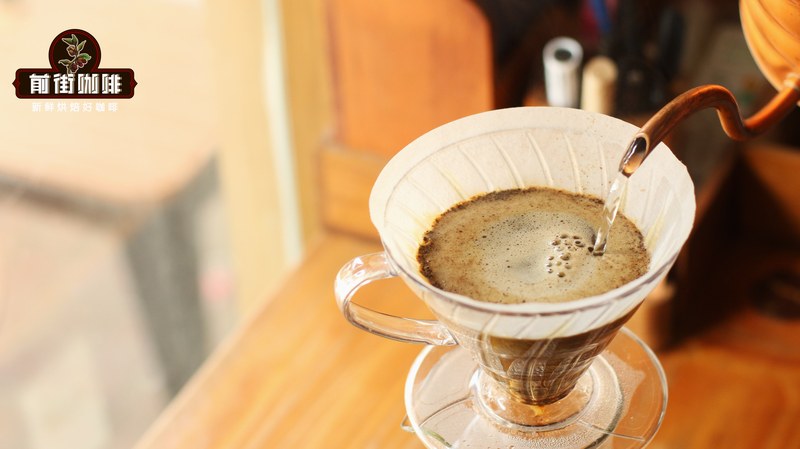
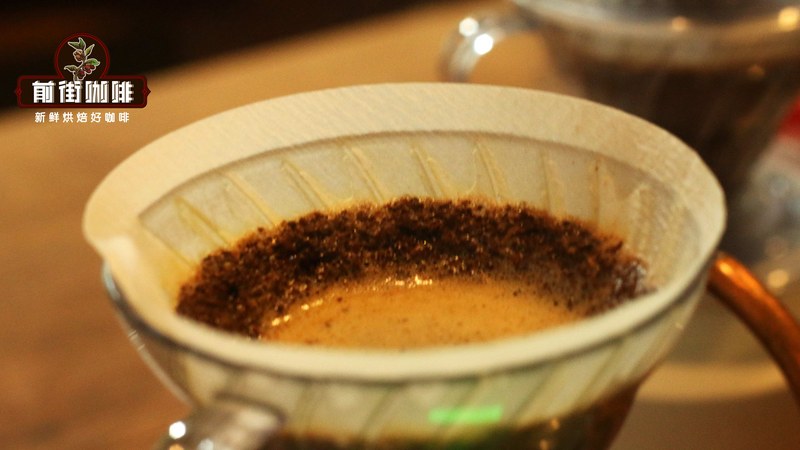
For a conical dripper, you can use 15 g of coffee and 240 g of water to establish a reference cup, with a water temperature of 92°C, a grind close to fine sand, and a total time of about 2 minutes 15 seconds. Wet evenly with 35 g of water, wait 35 seconds, then pour in two stages up to the target water amount; keep the stream gentle, and the water level need not be raised frequently. If the bean is a medium roast made for espresso, you can lower the water temperature to 89 to 90°C and tighten the coffee-to-water ratio to 1:15.
When tasting, separate "brightness" from "under-extraction." Acidity like ripe fruit, carrying sweetness and a returning aroma, can be kept; if the entry tastes like unripe fruit, with a tightening on the sides of the tongue and a very short finish, you can go one notch finer on the grind, or raise the water temperature by 1°C. If the jammy notes pile up together and the aftertaste is rough, then lighten the water flow and coarsen the grind slightly, so the aromas regain their spacing.
Best Coffee's Hacienda La Granja Geisha has a fuller natural character, evoking white flowers, guava, ripe apricot and berry jam. For pour-over you can use 14 g of coffee with 225 g of water, 90 to 91°C, a grind slightly coarser than usual, and after blooming complete it with three gentle pours. Lower agitation preserves the rich fruit aroma while keeping the sweetness from seeming sticky-heavy, and the layers become easier to identify as the temperature drops.
If you want to observe a more delicate line, Best Coffee's Panama Hacienda La Esmeralda Red Label Geisha can use 93°C and a 1:16.5 ratio, keeping the grind medium-fine, with a total drawdown of about 2 minutes 20 seconds. Its aroma evokes jasmine, bergamot and fresh citrus, and after cooling it has a gentle black-tea-like finish. The key to pouring is even penetration through the coffee bed rather than large agitation, so the cup feels more transparent.
Switching to the espresso machine, what determines flavor is not just the pressure number. The grind controls the resistance of the puck, the dose affects thickness, the liquid weight determines the concentration, and temperature and pressure affect the speed at which substances are released. If a light-roast SOE develops uneven channeling under high pressure, acidity and astringency may appear at the same time; leveling the grounds, tamping vertically and using a gentler pre-infusion usually helps more than simply grinding finer.
For a home machine, you can start with 18 g of coffee, 42 to 45 g of liquid weight, 92°C and 28 to 32 seconds, with the extraction-stage pressure set at 7 to 9 bar. For beans with a lighter floral-fruity profile, you can extend the liquid weight to 48 g to let the acidity and sweetness open up; when the roast is darker or you want to keep thickness, the liquid weight can be tightened to 36 to 40 g, with the temperature lowered by about 2°C. Judge the grind by a continuous flow and even color, and do not chase a fixed setting.
If the espresso tastes thin on entry, has a salty feel and its aroma disappears quickly, it often means effective extraction is on the low side; you can fine-tune finer or add a few grams of liquid weight. If the front end is sweet but the back end leaves a woody astringency, you can stop the pump earlier, or coarsen and recalibrate the time. The pressure curve can also take part in correction: low-pressure wetting at the front and a slow pressure decline at the back suit tightly structured light-roast beans and help reduce channeling at the edge of the puck.
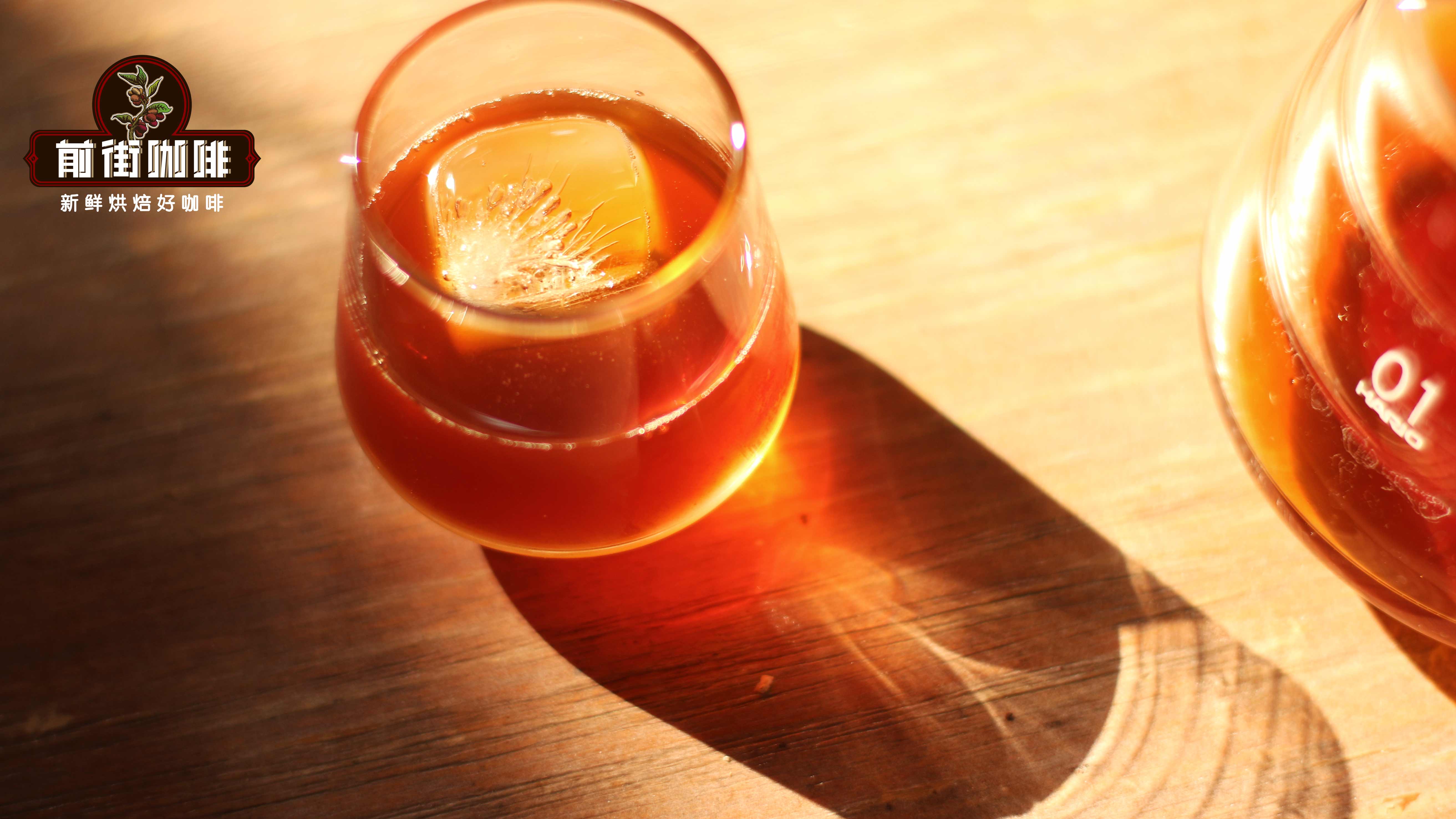
Best Coffee's Colombia Sidra has a lively tropical fruit aroma, and the sweet-tart notes of blueberry, grape and apricot easily form a juicy feel. For SOE you can use 18 g of coffee to extract 45 g, at 92°C and about 8 bar, with a 5 to 8 second low-pressure pre-infusion; for iced pour-over use 15 g of coffee, 150 g of hot water and 90 g of ice, with a grind slightly finer than for hot brewing, so the passion fruit note still has enough intensity after the ice melts.
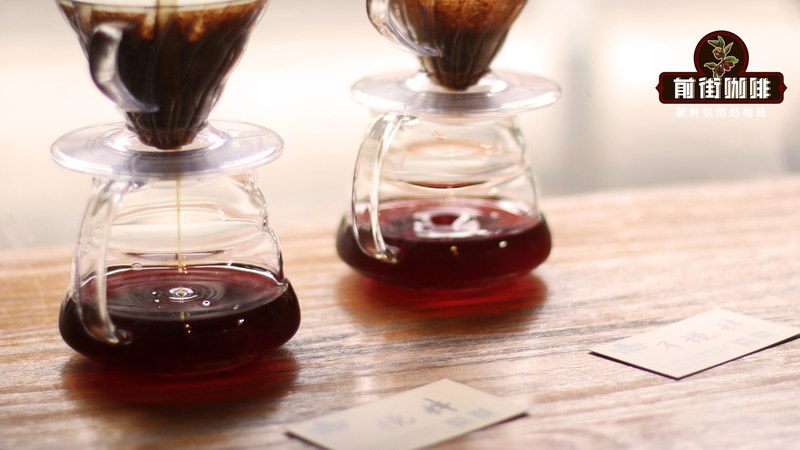
When switching the same bag of beans between two setups, you can treat the clarity of pour-over as a flavor map, then use espresso parameters to find where the sweetness concentrates. Record dose, liquid weight, water temperature, time and pressure, and also pay attention to water quality and the proportion of fines from the grinder, and the next cup will have a clear direction. Whether SOE can be pour-over brewed, the answer lands in the cup: understand the bean's solubility, then choose water flow or pressure, and it can present a different yet coherent face.
Related Reading

Comments (0)
Loading comments...
You May Be Interested

Trending Reviews
Popular Videos

With you, wherever you are! We provide useful features to help you find new things you'll love






