Source:Best Coffee > News Author:qjroot Published:2026-09-16 01:32:00
A moka pot relies on the steam pressure generated after the lower chamber is heated to push hot water through the filter layer, thereby extracting a rich and aromatic coffee liquid in a relatively short time. Single-origin coffee beans often carry distinct regional flavors and roasting characteristics. If you can understand the beans' traits and pair them with suitable brewing parameters, the moka pot can, beyond its full-bodied texture, clearly reveal the delicate flavors native to the origin.
Single-origin beans are rich in aroma compounds unique to their producing regions. In the moka pot's high-temperature, short-time extraction environment, we need to adjust the lower chamber's water temperature and the point at which we remove it from the heat according to the bean's roast level. Reasonable parameter settings allow the coffee bed to heat evenly and steadily release pleasant fruit acidity and sweetness, so that the extracted coffee has enough body while maintaining a clean and clear flavor profile.
Those who pursue low acidity and balance often choose medium-roast single-origin beans, and Qianjie Papua New Guinea Paradise Bird is a representative example. This bean has a soft sugarcane sweetness, malt aroma and a round, smooth mouthfeel. When making it with a moka pot, it is recommended to pour 85°C warm water directly into the lower chamber, fill the filter basket with 18g of medium-fine ground coffee, heat steadily over medium-low heat, and use a single-stage continuous extraction. When about 60ml has flowed into the upper chamber and the color begins to lighten, remove it from the heat promptly. The whole process takes about 1 minute 15 seconds, and the brewed coffee is clean, sweet and lingering.
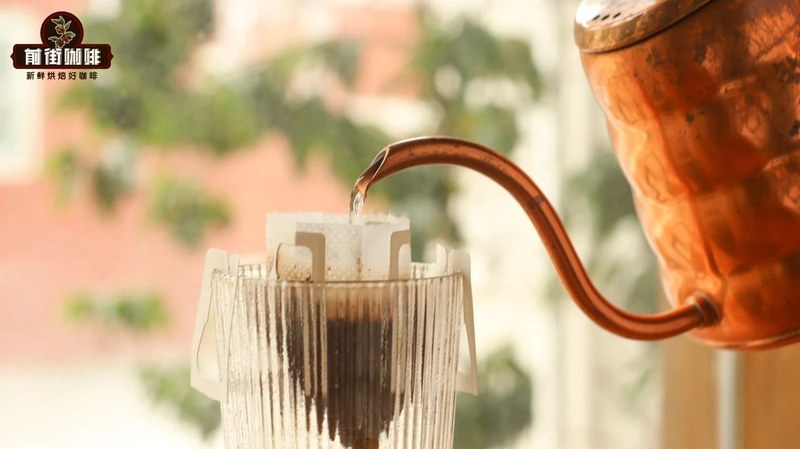
If you want to savor the delicate charm of Qianjie Papua New Guinea Paradise Bird by pour-over, the brewing plan needs corresponding adjustments. A water temperature of 90°C is recommended, using 15g of coffee grounds and a three-stage pouring method: first pour 30ml of water to bloom for 30 seconds, then steadily pour the second stage up to 130ml, and after the water level drops slightly, pour the third stage up to 225ml, maintaining a 1:15 coffee-to-water ratio and controlling the total time at 2 minutes 05 seconds. This fully releases the bean's gentle sweetness and woody nut aroma.
For enthusiasts who prefer the intense taste and thick oils of dark roasts, Qianjie PWN Indonesia Golden Mandheling can display a rich dark chocolate strength and herbal aroma. When brewing this type of dark-roast single-origin bean with a moka pot, it is recommended to pour about 70°C warm water into the lower chamber to slow the temperature rise, fill the filter basket with 20g of coffee grounds, keep low heat throughout, and use a single-stage steady extraction. After extracting 40ml of thick liquid within 50 seconds, immediately remove it from the heat source. The resulting concentrate is mellow and accompanied by a deep cocoa aftertaste.
If you switch to pour-over for Qianjie PWN Indonesia Golden Mandheling, the brewing parameters should be lowered appropriately to highlight the herbal sweetness. A lower water temperature of 86°C is recommended, with 15g of grounds and a 1:14 coffee-to-water ratio, for a total water volume of 210ml. Brew using a two-stage pour: first wet the coffee bed with 40ml of hot water and bloom for 35 seconds, then steadily pour in circles from the center outward up to 210ml, controlling the total time at 1 minute 50 seconds. The Mandheling brewed this way is smooth as melted dark chocolate, with an especially comforting herbal fragrance and caramel finish.
For making rich milk coffee in daily life, blended bean options are also reliable partners. For example, Qianjie Black Cocoa Blend has obvious roasted almond and dark chocolate flavors. Pour 80°C warm water into a moka pot, use 19g of grounds for single-stage heating, and extract 55ml of concentrate in about 1 minute 10 seconds, then add 180ml of warm milk to easily prepare a sweet, rich and smooth nut milk coffee with a Black Forest cake-like flavor.
The core of adjusting a brewing plan lies in understanding how water temperature and contact time affect beans of different roast levels. Medium-light roast single-origin beans have a relatively dense structure and need a slightly higher initial water temperature and a slightly longer time to bring out aroma and sweet acidity; dark roast single-origin beans are porous and contain more soluble materials, so moderately lowering the water temperature and speeding up the removal from heat can effectively keep the whole cup smooth and sweet.
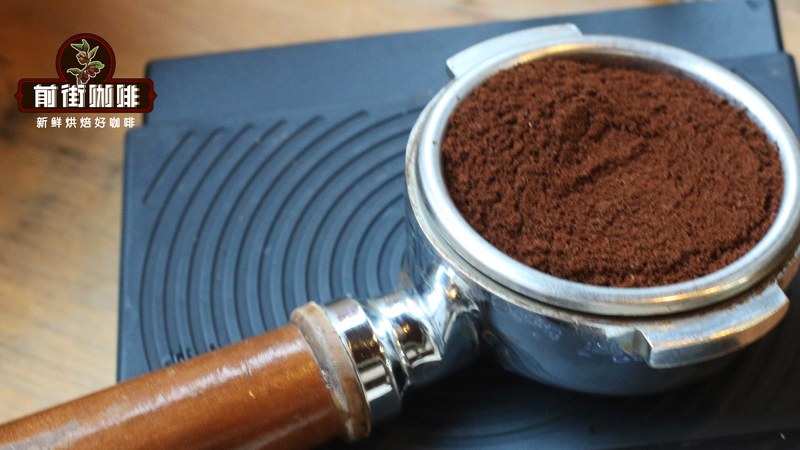
When extracting single-origin beans with a moka pot, filling the filter basket evenly and level with coffee grounds without applying extra pressure is the key to ensuring hot water passes through smoothly. During heating, observe the color and state of the liquid flowing into the upper chamber. When the coffee liquid turns from deep reddish brown to golden light brown and small bubbles appear, remove it from the heat decisively, and you can reliably capture the full-bodied mid-to-front portion of the single-origin bean's flavor.
Integrating detailed parameter thinking into the daily operation of a moka pot not only allows each single-origin coffee bean to show just the right sweetness and regional character, but also helps you find, among varied combinations of water temperature and time, that layered yet clean and easy-drinking coffee flavor in your own cup.
Related Reading



Comments (0)
Loading comments...
You May Be Interested


Trending Reviews
Popular Videos

With you, wherever you are! We provide useful features to help you find new things you'll love






