Source:Best Coffee > News Author:qjroot Published:2024-12-03 18:25:37
When it comes to South American coffee, many people first think of Brazil and Colombia, the two heavyweight coffee-producing giants. Brazil currently has the highest output, ranking first in the world, while Colombia, thanks to its unique climate, is the world's third-largest coffee-producing country. So many people are curious: what are the similarities and differences between these two producing countries?
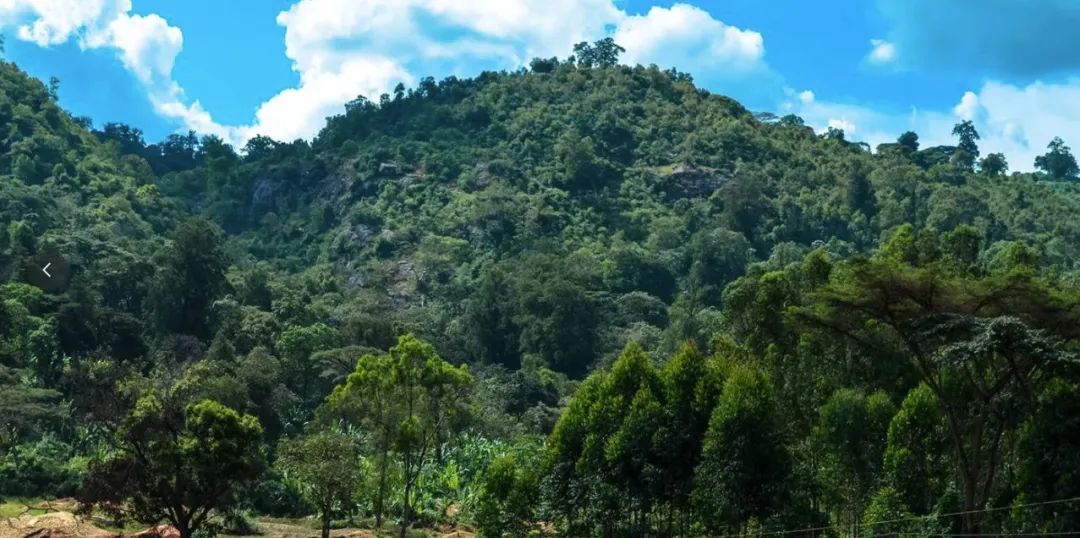
Currently, Brazil and Colombia are the regions that best represent traditional South American coffee flavors. The coffee from both has low acidity, a rich mouthfeel, nutty and chocolate notes, and a caramel-like sweetness. They are often used in coffee blends at home and abroad. At FrontStreet Coffee, there is a specialty blend that uses Brazil blended with Colombia.
In Brazil, coffee arrived in the country in 1727 and quickly adapted to the local climate and environment. By the 1830s, coffee had become Brazil's main export product and drove the country's economic development.
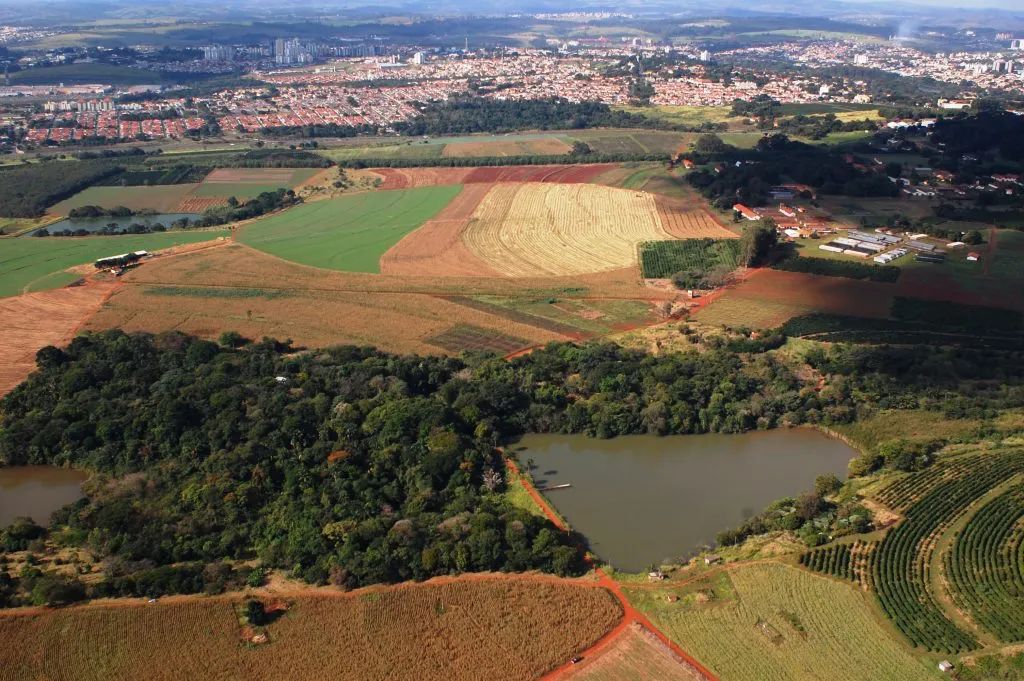
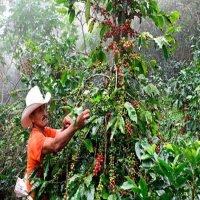
In terms of environment, Brazil is vast in land and rich in resources, and coffee is mainly grown in south-central Brazil. This area is mostly flat plateau, with coffee generally grown at an altitude of around 1000 m. As a result, coffee cultivation in Brazil is on a very large scale, dominated by large estates. The country relies heavily on mechanical operations; using mechanized harvesting saves labor costs, but at the same time it affects the specialty quality of the coffee to a certain extent.
However, Brazil also has quite a few specialty coffee-producing regions, such as Alta Mogiana, Sul de Minas, and Cerrado. In these regions, coffee is grown in high mountain areas at altitudes of 1000-1400 m, where the altitude is higher and the terrain is steep, so hand-picking is the main method.

Currently, at FrontStreet Coffee there is a Queen's Farm (Fazenda Rainha) from the Mogiana region, using Brazil's unique Yellow Bourbon variety, processed with the semi-washed method. After brewing, it has a fruity sweetness on entry, with sugarcane, chocolate and peanut nutty flavors, a faint clean bitterness, and a smooth, delicate mouthfeel.
However, Colombia is more advantaged than Brazil in terms of environment. The country has diverse terrain, numerous volcanoes and abundant rainfall. Coffee is mainly grown on the Andes Mountains in the west of the country, at elevations between 800 and 2300 m. In high-altitude areas, the temperature difference between day and night is large; when temperatures are low, the ripening time of coffee cherries is extended, and during this period more sugars can accumulate, the coffee beans are denser, and the flavor develops more richly.
The difference is that Brazil is mainly dominated by large estates, while Colombia is mainly small plantations. However, Colombia's ability to achieve such high production is thanks to the equator crossing the country, so some producing regions have two dry seasons and two rainy seasons, with two harvest seasons a year, meaning coffee is basically harvested all year round. Currently, 40% of the country's exported coffee is specialty grade.
Moreover, in Colombia there is a distinction between coffee triangle axis regions. Before the concept of specialty coffee existed, coffee farmers focused more on coffee yield. Therefore, the central coffee-producing regions of Quindio, Cauca Valley and Cundinamarca became the early Colombian coffee triangle axis regions. Later, with the development of specialty coffee, the southern Colombian coffee-producing regions began to stand out, Narino, Cauca and Huila, forming the new Colombian coffee triangle.
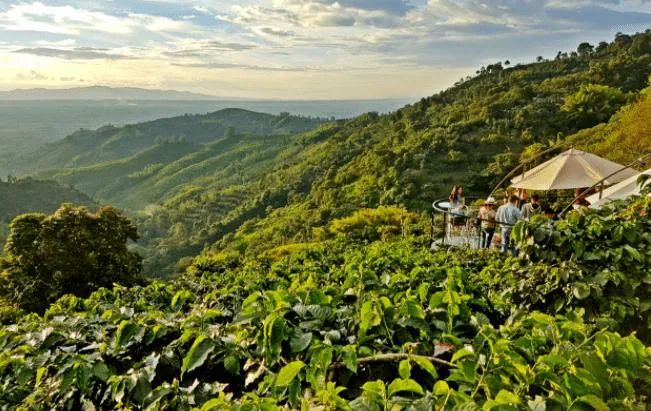
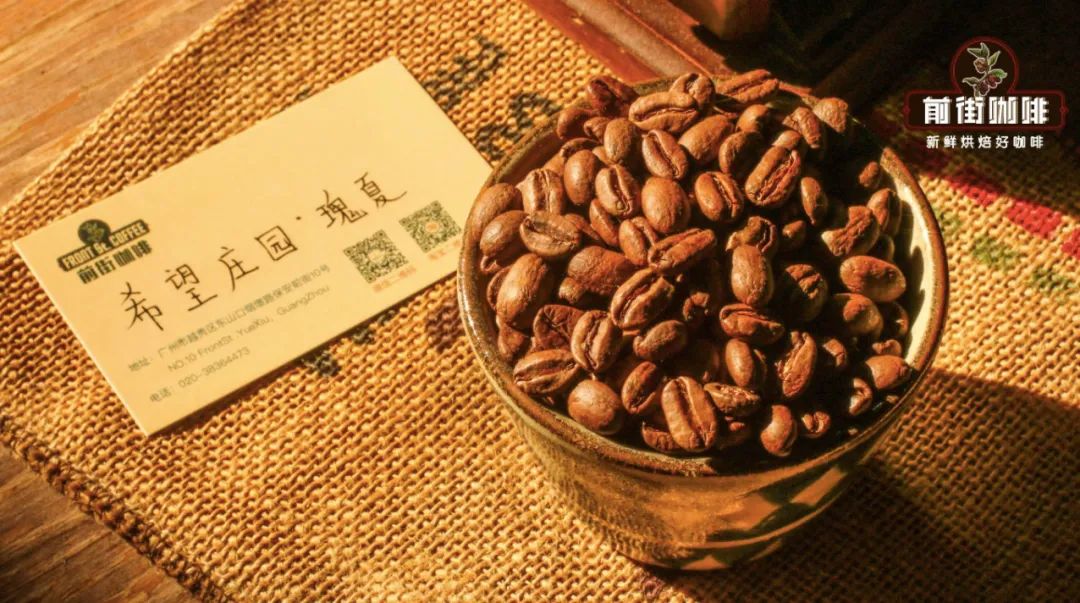
At FrontStreet Coffee there are several coffees from Colombia, and recently a new Geisha from Finca La Esperanza was added, processed with the honey method. After brewing, a slight fermentation and rose aroma can be smelled, and on tasting there are grape, strawberry and dried fruit flavors, with a soft mouthfeel.
Although Brazil and Colombia are both located in South America, the two countries differ in growing environment. Colombia has a more unique geographical environment, providing superior conditions for growing coffee, and uses many different processing methods, so the coffee it produces can be used for single origin and blends. By comparison, Brazil's growing environment is less advantageous, with relatively flat terrain and not very high elevation, so Brazilian coffee has lower acidity, a relatively simple flavor, and especially prominent nutty flavors, and is therefore more often used in coffee blends.
To learn more about coffee origins and news, please scan the QR code to follow: Kaping
Long-press the QR code to follow:

Related Reading




Comments (0)
Loading comments...
You May Be Interested






Trending Reviews
Popular Videos

With you, wherever you are! We provide useful features to help you find new things you'll love






