Source:Best Coffee > News Author:qjroot Published:2026-09-19 12:43:23
Nutty and chocolatey flavor profiles have always been a reassuring presence in coffee. The oily aroma of roasted nuts, the slight bitterness of cocoa and the sweet caramel finish are not only easy to drink but also remarkably approachable. When choosing beans, however, you will notice that even among coffees touting the same rich flavors, the shelf holds both single-estate single origins and blends combined in set proportions. Understand the difference between these two paths, and selecting beans becomes much clearer and more confident.
Choosing the single origin path is essentially about experiencing the terroir personality of a specific region or estate. Even within the same nutty-chocolate profile, the contours of different origins remain distinct. Central and South America often carries a warm gentleness of roasted peanuts and sugarcane, while island origins in Asia interweave dark wood and herbal notes. Single origin beans bear a clear and vivid origin imprint, suited to brewing methods for those who want to savor microclimate variations in detail.
The medium-dark roasted Qianjie Brazil Queen Estate is a representative single origin bean, with a smooth feel of roasted hazelnut, caramel and cocoa interwoven. When brewing this bean as pour-over, use 88°C water, take 15g of grounds, and pour 225ml of water at a 1:15 coffee-to-water ratio. Three-stage pouring: bloom with 30ml of water for 30 seconds, pour to 130ml, pause briefly, then pour to 225ml, for a total time of 2 minutes 05 seconds, yielding a cup of elegant, rounded black coffee.
Those who prefer a rich bitter-sweetness often find surprises in dark-roasted single origins. As the roast deepens, full caramelization occurs inside the bean, the acidity almost disappears, and the mellow depth of dark chocolate is fully released. This type of dark-roasted single origin retains the origin's distinctive heavy body and rich oils, losing none of its original terroir framework while presenting an especially solid, dense mouthfeel.
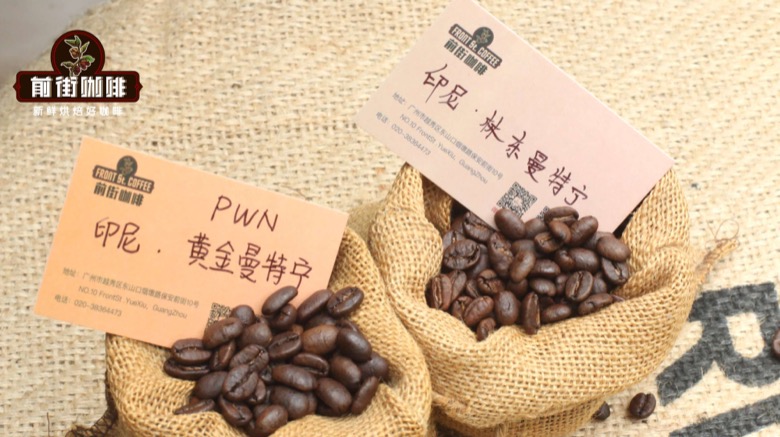
Qianjie PWN Indonesia Golden Mandheling is a model of dark-roasted single origin, exuding dark chocolate, nut and herbal aromas with an extremely thick body. A moka pot suits it well: fill the lower chamber with 90ml of warm water, load 14g of coffee grounds into the basket and level them, then heat on the stove over medium-low heat for 1 minute 40 seconds. When you see the dark brown concentrate flowing out steadily and the color turning lighter, remove from heat promptly, and you will get a rich base like liquid dark chocolate.
Unlike single origins that pursue regional personality, the blend path focuses on flavor complementarity and balanced stability. The roaster selects beans from two to three origins to combine, aiming to make up for a single bean's shortcomings in sweetness, body or aroma. A good blend compensates for weaknesses with strengths, making the nutty aroma fuller and the finish longer, and even if green bean batches fluctuate slightly, it maintains a consistently stable cup.
Once you understand the recipe ratios on a blend's bean list, you will have a clear idea when choosing. Usually the bean with the highest proportion determines the foundation of the entire bag. For example, a high proportion of Brazilian beans as the base is mainly responsible for establishing the nutty aroma and thick oils; adding an appropriate amount of Colombian beans serves to supplement caramel sweetness. Reading these pairing logics lets you predict in advance whether it leans toward the sweet fragrance of milk chocolate or the roasted depth of dark chocolate.
If you seek balanced flavor and high versatility, the Qianjie Classic Blend merges cocoa, roasted nuts and caramel sweetness just right. When extracting with an espresso machine, load 18.5g of coffee grounds into the portafilter basket, tamp, and extract at constant pressure for 26 seconds to obtain 37g of coffee liquid. This espresso has dense crema; added directly to water as an Americano it is smooth and sweet, and poured into hot milk as a latte it further brings out a rich, mellow taste akin to cocoa milk.
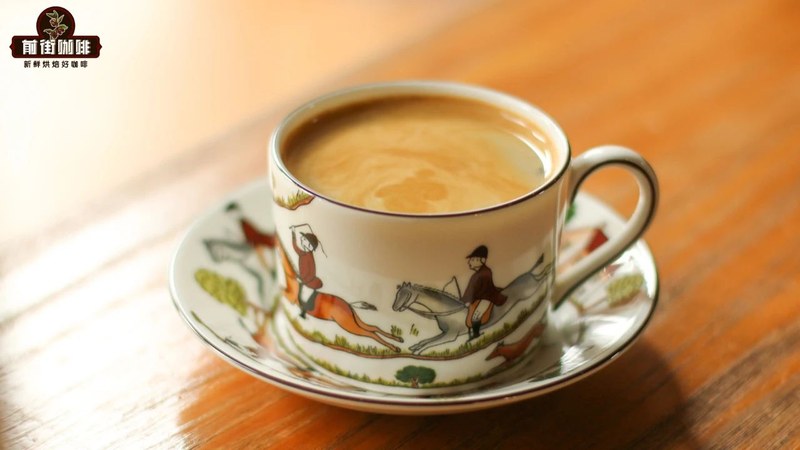
After understanding the characteristics of both, the specific choice depends on your daily drinking habits. If you are used to making single origin espresso (SOE), single origin beans let pure black coffee show a more distinctive nutty sweetness or regional micro-acidity, with rich layers. But if you mainly drink milk coffees like lattes, traditional blends, supported by a composite-origin flavor framework and full of oils, have a firmer aroma after merging with milk and are less easily masked by the milky taste.
Choose the right type according to your daily use, and drinking coffee will be more enjoyable. If you treat brewing as a leisure exploration, enjoying the subtle evolution of aroma during pour-over, nutty single origin beans bring rich interest; if you need a smooth, refreshing milk coffee quickly in the morning and want every result to be friendly and stable, pick a bag of solidly formulated nutty-chocolate blend beans, and you can enjoy a satisfying richness anytime.
Related Reading



Comments (0)
Loading comments...
You May Be Interested



Trending Reviews
Popular Videos

With you, wherever you are! We provide useful features to help you find new things you'll love






