Source:Best Coffee > News Author:qjroot Published:2026-09-11 16:08:22
After roasted coffee beans are ground into powder, the organic acids, aromatic esters, sugars and polyphenols inside them dissolve into water in sequence according to molecular weight. Coffee beans from different origins and with different roast levels have different release rates of flavor compounds and different dissolution equilibrium points. Tailoring the extraction plan to the bean's own structure and aroma characteristics allows the flavors in the cup to present clear, expansive layers.
For light-roasted coffee beans that retain more natural organic acids and volatile aromatics, the goal of brewing is to bring out fresh floral and fruity aromas while avoiding overly rapid extraction of polyphenols in the later stage. In this case, a medium-high water temperature combined with staged pouring can be used, using the agitation of the water flow to moderately improve extraction efficiency so that the aromatics fully volatilize and the finish remains clean and bright.
Take the light-roasted floral Qianjie Panama Hacienda La Esmeralda Red Label Geisha as an example. Its flavor core lies in elegant jasmine florals, citrus acidity and a black tea aftertaste. When brewing, it is recommended to use 91°C water, 15g of coffee grounds, and 225ml of hot water, with the total time controlled at 2 minutes 05 seconds. Use a three-stage pour: first pour 30ml of water and bloom for 30 seconds, then gently pour in circles to 130ml, and when the liquid level drops to half, pour steadily to 225ml and finish. This brings out delicate tea-like and sweet notes.
For washed or specialty-processed coffee beans with a rich, ripe tropical fruit fermented aroma, the flavor compounds are released relatively actively, and excessively high water temperature can make the acidity too prominent. Slightly adjusting the water temperature and speeding up the extraction rhythm often makes the juicy tropical fruit character and sweetness rounder and fuller.
For example, the Qianjie Colombia Sidra, which displays rich passion fruit, blueberry and apricot aromas, is abundant in juiciness and stands out for its sweetness. When brewing, you can choose 89°C water, take 16g of coffee grounds, pour in 240ml of hot water, and control the total time at 1 minute 50 seconds. Use a two-stage pour: bloom with 40ml of water for 30 seconds, then use a slightly larger central stream to pour steadily to 240ml in one go. This effectively preserves the full, juice-like texture and sweet finish.
African washed coffee beans from high-altitude regions usually have a dense texture, with acidity as clear as lemon and berries, accompanied by herbal and floral notes. For these beans, sufficient heat is needed to awaken the deeper sweetness and flavor framework, and moderately extending the contact time can make the tea-like finish in the aftertaste last longer.
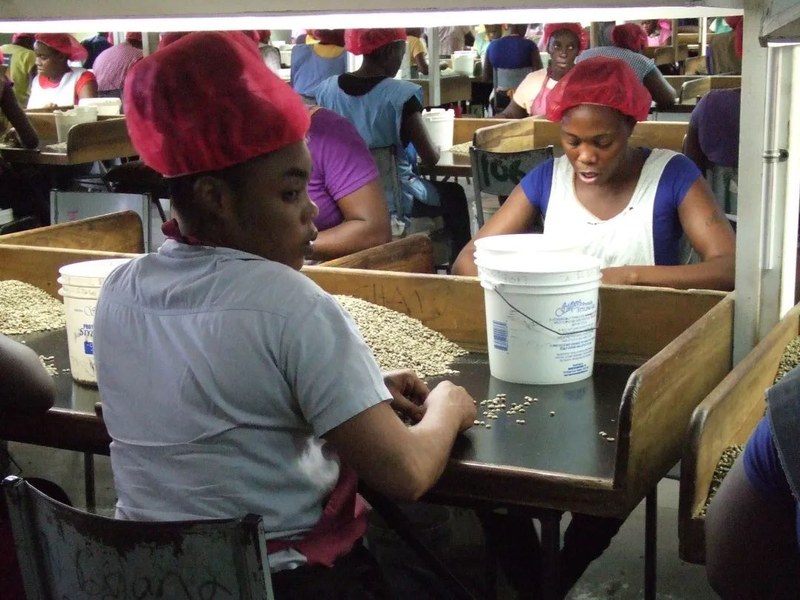
The carefully processed Qianjie Yirgacheffe Gutingding has distinct citrus, white flower and berry flavors, with a green tea-like clean sweetness at the end. It is recommended to use 92°C water, with 15g of coffee grounds and 225ml of poured water, and control the total time at 2 minutes 15 seconds. The pour is divided into three stages: pour 35ml of water and bloom for 35 seconds, pour in circles from the inside outward to 140ml in the second stage, and finally pour slowly to 225ml and remove the dripper. The acidity, sweetness and tea aroma of the whole cup can then be shown in balance.
Besides pour-over drip brewing, some light-roasted single-origin beans with distinct flavors are also suitable for making single-origin espresso. The high-pressure environment of an espresso machine can emulsify coffee oils in a very short time, concentrating what was originally light fruit acidity into a highly impactful flavor experience. In this case, it is necessary to precisely adjust the coffee-to-liquid ratio and extraction time to ensure balanced acidity and sweetness.
When using Qianjie Colombia Sidra to make single-origin espresso, you can use an 18g basket and extract 36ml of espresso within 27 seconds at 93°C water temperature and 9bar extraction pressure. The resulting coffee liquid has rich blackcurrant and grape jam aromas, with smooth and dense crema. When diluted with water into an Americano or served over ice, the aroma is especially bright.
For coffee beans that have undergone a darker roast and lean toward dark chocolate and roasted nut aromas, the fiber structure is looser and soluble substances are released quickly. When brewing this type of bean, it is advisable to use a lower water temperature of 86°C to 88°C, paired with a coarser grind and a concise pouring method, to avoid over-extraction and thus present a smooth, warm nutty and cocoa sweetness.
Every coffee bean contains a unique origin terroir and roast imprint. By understanding the effect of water temperature on the dissolution rate of soluble substances, and mastering how the pouring stages and flow rate control the extraction rhythm, you can find a suitable brewing plan for the coffee beans in your hands and steadily present a rich and moving cup flavor in every day's brew.
Related Reading

Comments (0)
Loading comments...
You May Be Interested


Trending Reviews
Popular Videos

With you, wherever you are! We provide useful features to help you find new things you'll love






