Source:Best Coffee > News Author:qjroot Published:2024-10-21 18:32:27
According to Ethiopian media reports, the Ethiopian government carried out a drone strike in the Amhara Region of Ethiopia. The latest news of the air strike came from the area of Gondar and caused more than 60 civilian deaths.
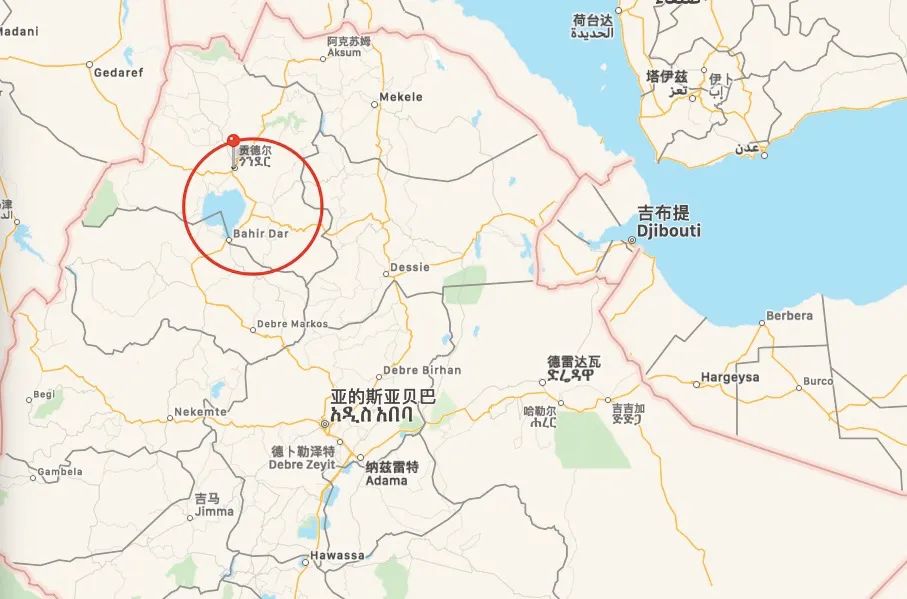
It is reported that after the Ethiopian National Defense Force launched an attack in the Belesa area of central Gondar, at least 50 civilians were killed and injured. In addition, another attack occurred near Abraha Jira, and this attack caused the deaths of 10 civilians. However, the Ethiopian authorities have still not commented on the incidents.
However, this is not the first time drone strikes have occurred. In recent times, drone strikes have continued to occur in the Amhara Region, causing many injuries and deaths. It is reported that as early as last August, the Ethiopian government assembled troops and began military operations in the Amhara Region that lasted several weeks, but it was never able to achieve its goals. With the failure of infantry operations, the Ethiopian National Defense Force increasingly used drone strikes, even deploying combat helicopters, and launched multiple attacks. Due to the wide scope, the extent of casualties is currently unclear.
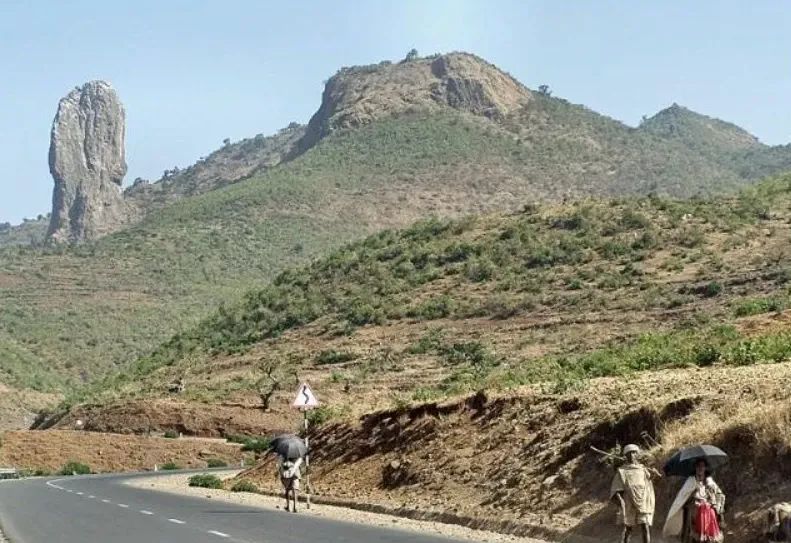
Meanwhile, Fano forces, the main anti-government armed group in the region, claim that drone strikes in the region cannot reverse the defeats the Ethiopian National Defense Force is suffering. This has led many people in the region to join the Fano forces, which have received extensive grassroots support, and the Fano forces are better armed than a year ago. The drone strikes are intended to intimidate the people who support Fano.
Due to the ongoing conflict, millions of students in the Amhara Region are currently out of school, some medical facilities have been severely affected, and roads are blocked, resulting in severe economic losses and civilian casualties in the region. Moreover, Amhara Region is Ethiopia's main farming and pastoral area and the country's main food supply. At present, the severe internal conflict and the Fano forces' closure of roads in some areas will affect the transport of goods between regions and intensify the country's rising prices.
Although in recent times the war has mainly occurred in areas such as the Amhara Region, some conflicts have occasionally spread to the central or western Oromia Region. This has had a negative impact on the society and economy of the region and even the whole country. Once the conflict and violence spill over and a civil war breaks out, the inflow of foreign direct investment will decrease significantly.

For Ethiopia's coffee industry, although the conflict is mainly in the Amhara region in the north of the country and has not affected the coffee-producing regions in the south, it still faces many difficulties, the biggest of which is exports. Earlier, the National Bank of Ethiopia (NBE) introduced a new policy limiting the spread between the buying and selling rates of foreign exchange transactions to 2%. This new policy benefits exporters by helping to prevent banks from earning unreasonable profits through excessive spreads, thereby protecting the rights and interests of traders.
Previously, Ethiopia's coffee export volume increased mainly because coffee traders in the EU stepped up their efforts and funding to purchase coffee beans in order to ensure sufficient coffee bean stocks before the implementation of the EUDR deforestation-free regulation. However, as the EU recently announced that it would postpone the implementation of the EUDR by one year, EU coffee traders began to slow down their purchasing efforts after the news was released. In addition, as purchasing efforts slowed, international coffee prices began to fall, and Ethiopia's coffee revenue will begin to decline.

However, there is also good news. Recently, the Ethiopian Prime Minister said that Ethiopia's achievement of doubling its annual coffee production from 500,000 tonnes to more than 1 million tonnes within the past 5 years is impressive, and pointed out the importance of working with stakeholders, including farmers, cooperatives and regional communities, to raise awareness of coffee cultivation and implement best practices, and emphasized the government's commitment to improving coffee quality and production, and that it will work to improve quality and market access. But many producers believe that resolving regional security is currently the most important thing.
To learn more news and information about coffee origins, please scan the QR code to follow: Kaping
Long-press the QR code to follow:

Related Reading







Comments (0)
Loading comments...
You May Be Interested





Trending Reviews
Popular Videos

With you, wherever you are! We provide useful features to help you find new things you'll love






