Source:Best Coffee > News Author:qjroot Published:2026-09-18 17:27:46
When brewing a cup of pour-over coffee, more than 98 percent of what ends up in the cup is water. Many friends who are just getting into specialty coffee tend to focus entirely on bean selection and equipment, while overlooking water quality, this invisible key factor. The calcium and magnesium ions in water act like porters, responsible for grabbing the aromatic volatiles and fruit acids from the coffee grounds, while bicarbonate acts like a buffer, directly affecting the brightness of the acidity felt on the tongue.
Ordinary tap water, after boiling, often contains more impurities and calcium-magnesium minerals, which easily mask delicate floral and fruity aromas and also neutralize the originally bright, lively fruit acids of the beans. If you want specialty Arabica beans to show clean, clear origin flavors, you can choose purified water or high-quality soft water with relatively low total dissolved solids in daily use. This type of water has few impurities and moderate hardness, and can fully bring out the subtle floral notes and fruity sweetness of light-roast beans.
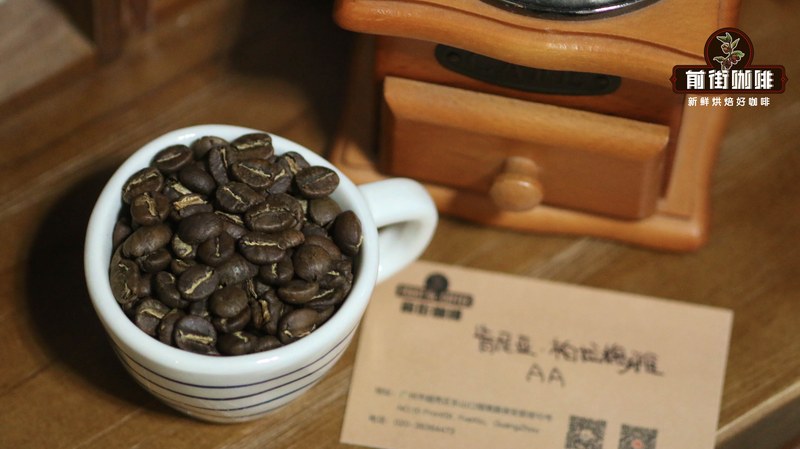
Under softer water conditions, when choosing beans it is best to focus on high-altitude washed beans known for delicate aroma and elegant acidity. These coffee beans usually have gentle citrus notes and floral aromas; soft water will not overly draw out deep, woody flavors, but instead lets the bean's own regional character unfold like a light, elegant watercolor painting.
Qianjie Kaffa Forest is very suitable for brewing with low-mineral soft water. As a tree species from Ethiopia's native forests, this washed bean gives off elegant white flower and fresh orange aromas, with warm fruit sweetness of ripe apricot in the middle, and a clear oolong tea note after the temperature drops. When the water is clean and soft, its sweet clarity comes through especially transparently.
When brewing Qianjie Kaffa Forest, it is recommended to set the water temperature at 91°C to bring out the floral aroma. Use 15g of coffee grounds and pour 225ml of hot water at a 1:15 coffee-to-water ratio. Use three pours: initially pour 30ml of water to evenly wet the coffee bed and bloom for 30 seconds, then gently pour 95ml of water to enhance sweetness, and after the liquid level drops by more than half, pour the remaining 100ml. Keep the total time at 2 minutes 05 seconds for a sweet, smooth sip.
If your home uses conventional water purification equipment and the mineral content is at a medium level, you might turn your attention to beans from African regions with high flavor intensity and full-bodied sweetness and acidity. A moderate amount of minerals is just enough to support a rich juicy feel, wrapping the originally sharper fruit acids into something warm and rounded, giving the overall flavor more body and layers.
Qianjie Kenya Little Tomato performs quite prominently with this type of water. Kenya's high-altitude red soil produces a highly recognizable, full-bodied sweet-tart profile; on the palate you can feel the vivid juiciness of cherry tomatoes and ripe smoked plums, followed by a warm brown sugar sweetness in the finish. The moderate minerals in the water precisely balance the high acidity, making the cup's texture like rich fruit juice.
When brewing Qianjie Kenya Little Tomato, it is recommended to use a water temperature of 90°C to keep the acidity soft. Weigh 15g of coffee grounds, use a 1:15 coffee-to-water ratio, and pour 225ml of water. Use two pours: initially pour 35ml of water for a 30-second bloom, then steadily pour 190ml in circles to the full amount, keeping the total time at 1 minute 55 seconds. The resulting flavor has concentrated sweetness and acidity with a clean finish.

For micro-lot beans that have undergone long sun-drying or special processing, rich fermented fruity aromas and high sugar content have accumulated inside, making them more sensitive to water purity. If the water is on the hard side, it easily makes the jammy quality seem dull; if the water is clear and light, the bold tropical fruit aromas and rich layers of sweetness will fully unfold.
Qianjie Grana Estate Geisha is well worth savoring carefully with high-quality soft water. This sun-dried Geisha bean gives off orange blossom and guava fragrance, and as the temperature changes, aromas like apricot and strawberry jam advance layer by layer. Clean, crisp water can fully bring out this complex aroma, letting the multi-layered floral and fruity charm linger in the mouth.
For Qianjie Grana Estate Geisha, it is recommended to use a water temperature of 92°C to fully extract the aroma of high-altitude hard beans. Take 15g of grounds, use a 1:15 coffee-to-water ratio, and pour a total of 225ml of hot water. Use three pours: initially pour 30ml of water and bloom for 30 seconds, then pour 100ml of hot water to draw out the floral and fruity aromas, then slowly pour 95ml of water to enhance the overall sweetness, keeping the total time at 2 minutes 10 seconds.
Choose specialty Arabica beans that match the characteristics of the water you usually have at home, then pair them with a suitable water temperature and pouring rhythm, and the origin terroir originally hidden deep within the roasted coffee beans can be displayed in the cup without reservation. Enjoy the subtle changes as water and coffee beans blend together; every cup of pour-over can bring a satisfyingly pure flavor.
Related Reading



Comments (0)
Loading comments...
You May Be Interested


Trending Reviews
Popular Videos

With you, wherever you are! We provide useful features to help you find new things you'll love






