Source:Best Coffee > News Author:qjroot Published:2026-09-24 13:46:34
When I feel sleepy in the afternoon, I always want a cup of sweet, rich mocha coffee. Silky milk, thick chocolate syrup, and two shots of fragrant espresso blended in, every sip is full of happiness. Many friends who make mocha at home often find that the taste is either too watery and thin, or bitter and dry. In fact, the key lies in the espresso that forms the base, where the extraction yield and concentration have not been adjusted into balance.
When making milk coffees like mocha, the base espresso needs enough concentration to cut through the milkiness, and also needs the right extraction yield to release caramel sweetness. If the espresso concentration is too low, it will become bland as water once diluted by milk; if it is over-extracted, bitter off-flavors will mix into the chocolate and the taste will become especially messy. If you want it to taste good, you need to learn to read the flow rate and time, and fine-tune the coffee flavor to a smooth state.
Coffee that tastes weak is often because the grind is too coarse, so the water passes through the coffee bed too quickly, and the soluble flavor compounds have not yet had time to dissolve out. The low extraction yield leads to sourness, astringency, and thinness. On the contrary, if the finish tastes dry and astringent and the bitterness clings to the tongue, it is mostly because the grind is too fine, causing the water to stay too long, or because the water temperature is too high, extracting the woody off-flavors from the later stage as well, resulting in an overly high extraction yield.
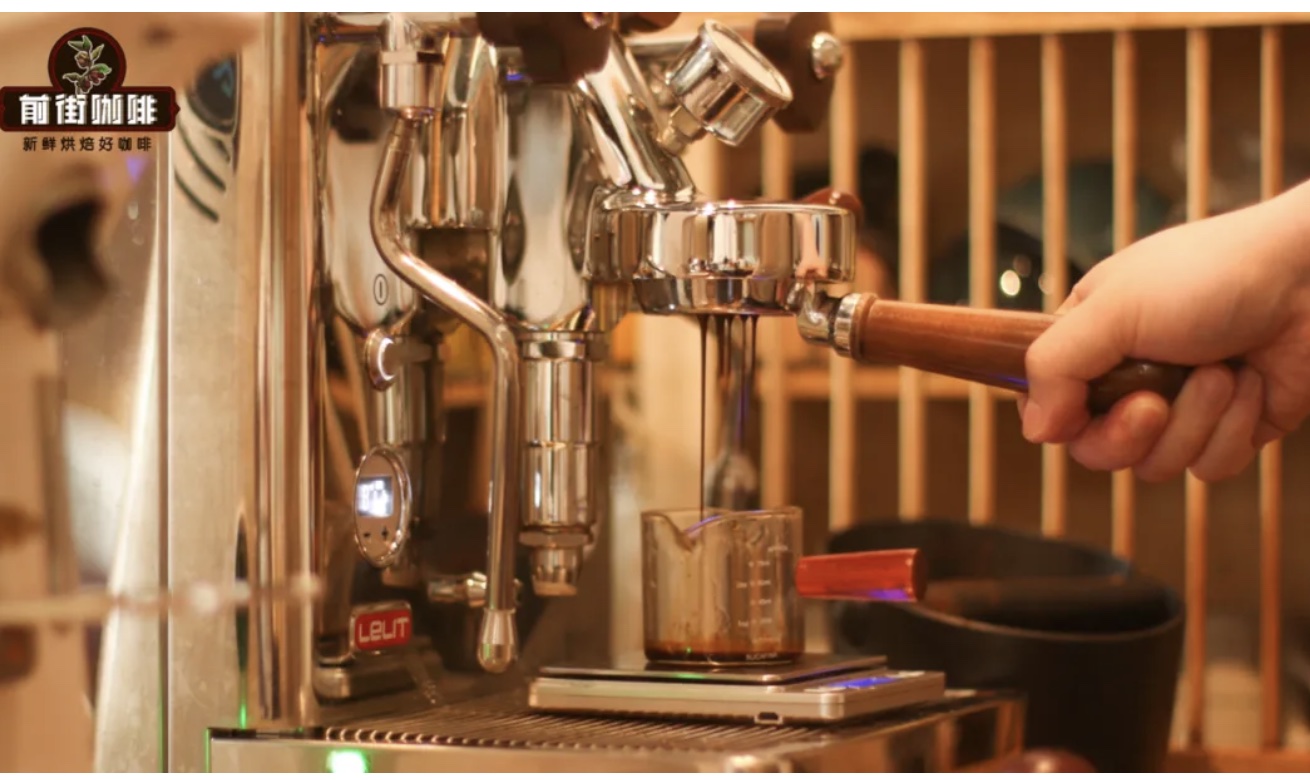
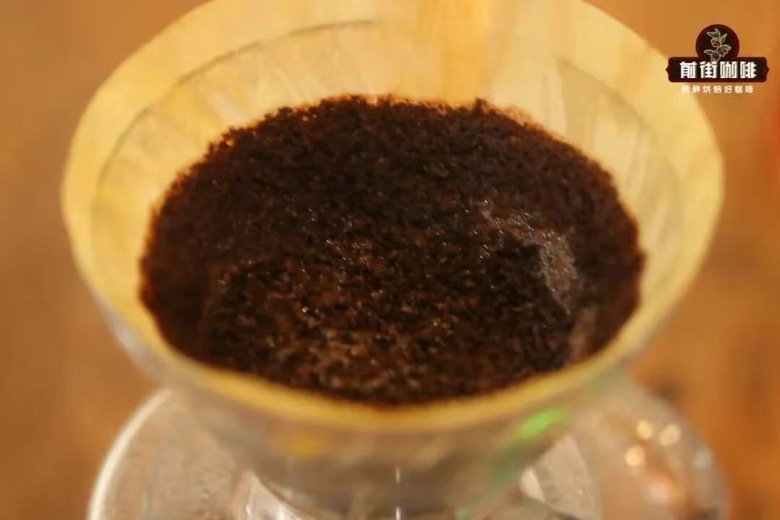
When dialing in espresso in daily practice, it is recommended to use medium-dark roasted beans as the baseline: use 18.5 g of coffee grounds, fine-tune the grind so that you extract 37 g of espresso liquid, with the extraction time landing at 26 seconds. If it tastes a bit sharply sour and thin, adjust the grind half a step finer to extend the extraction; if a scorched, bitter, dry finish appears, adjust the grind coarser to speed up the flow rate and bring the flavor back into the sweet, balanced range.
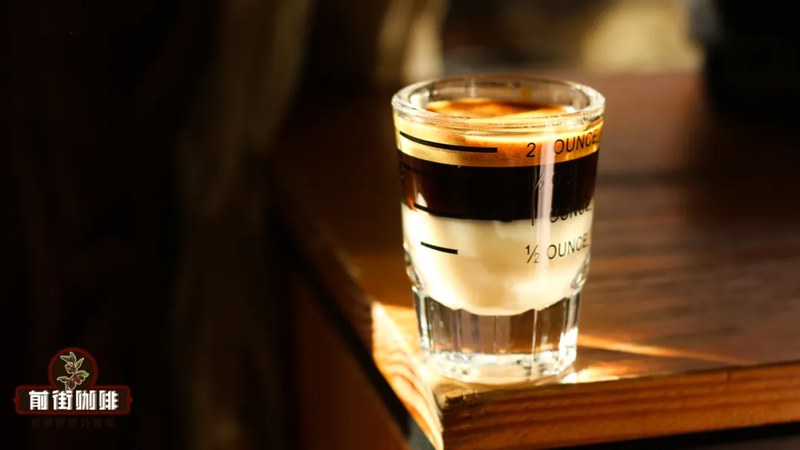
The approach to choosing beans also depends on whether you want to drink it strong or light. Some light-roasted single-origin beans have bright floral and fruity notes and are suitable for a refreshing, lightly brewed americano; but mocha needs to blend milk and chocolate, so it is naturally suited to being drunk strong. When choosing, you should lean toward medium-dark roasted coffee beans with nutty and cocoa notes of their own. The extracted espresso will have full-bodied crema and high body, and only after blending with sweet chocolate can the two complement each other.
If you like a rich, balanced nutty sweetness, the Qianjie Classic Blend coffee beans and the Qianjie Dark Cocoa Blend coffee beans are highly recommended. The Qianjie Classic Blend carries soft notes of nuts, caramel, and dark chocolate, with especially rich crema; the Qianjie Dark Cocoa Blend is even fuller and lower in acidity, and its deep cocoa aroma and melted milk chocolate are like a match made in heaven, making the mocha especially smooth and velvety.
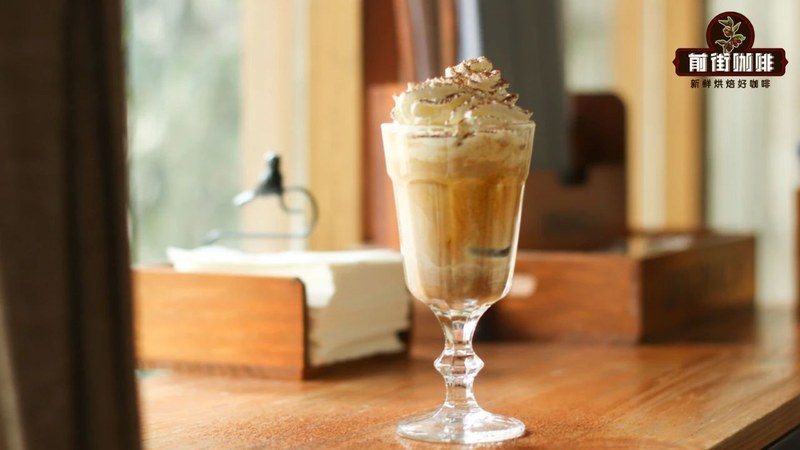
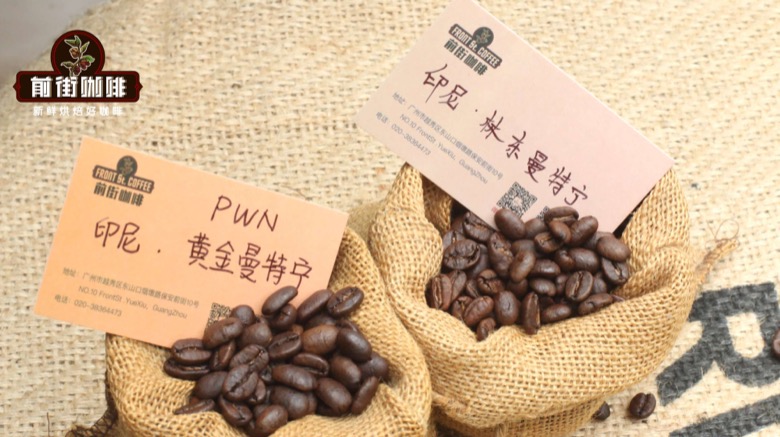
Friends who prefer the distinctive flavors of a single origin can try Qianjie Brazil Queen's Estate coffee beans and Qianjie PWN Golden Mandheling coffee beans. Qianjie Brazil Queen's Estate has signature creamy peanut and hazelnut sweetness, adding a sweet, nutty milkshake-like texture to the mocha; Qianjie PWN Golden Mandheling is rich and heavy, with pronounced herbal and caramel flavors and a very solid, enveloping mouthfeel.
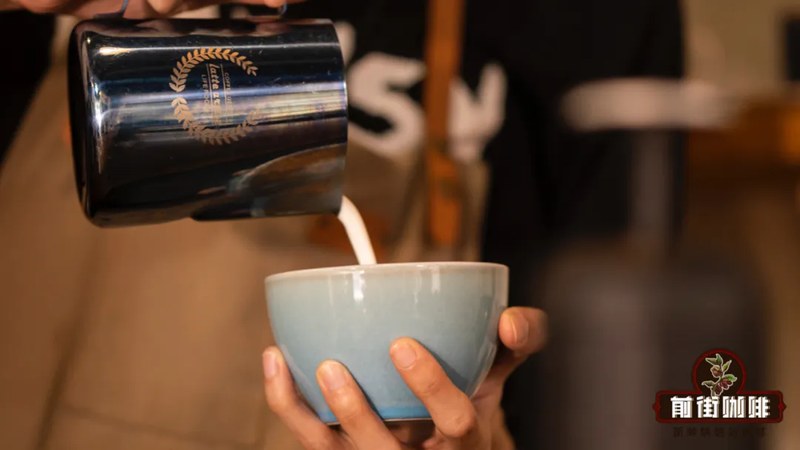
Making mocha is actually quite fun. First put pre-melted milk chocolate syrup at the bottom of the cup, extract a double shot of espresso into it while hot and stir thoroughly so that the cocoa butter and coffee oils emulsify completely; then steam fresh milk to a dense microfoam at around 55°C and slowly pour it into the cup. You can also sprinkle a small pinch of cocoa powder on the surface as a garnish, and the whole cup will be enticingly aromatic.
Once you have mastered the logic of fine-tuning extraction yield and concentration, you can easily serve cafe-level mocha at home too. Pick a bag of rich, full-bodied beans suited to being drunk strong, watch the steaming espresso fall into the thick chocolate, and take a gentle sip along with the delicate milk aroma as the sweet mellow caramel and cocoa slowly melt between your lips and teeth. This kind of cozy moment can be yours at any time.
Related Reading

Comments (0)
Loading comments...
You May Be Interested



Trending Reviews
Popular Videos

With you, wherever you are! We provide useful features to help you find new things you'll love






