Source:Best Coffee > News Author:qjroot Published:2024-09-07 18:51:16
According to Colombian media reports, Colombia is facing the impact of a strike, and roads in many parts of the country have been blocked. The blockades were launched by truck drivers on September 2, mainly to protest the government's decision to gradually cancel fuel subsidies and raise the price of diesel by 1904 pesos per gallon.
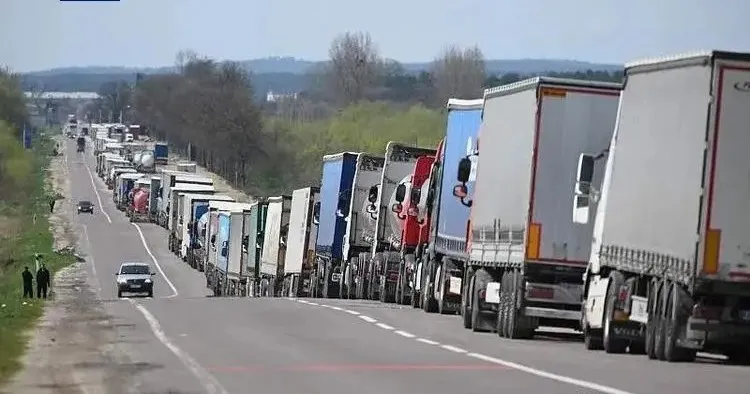
At present, the protests are intensifying. As truck drivers block roads and the scale of the road-blocking protests continues to expand, transportation and logistics across Colombia have been severely disrupted.
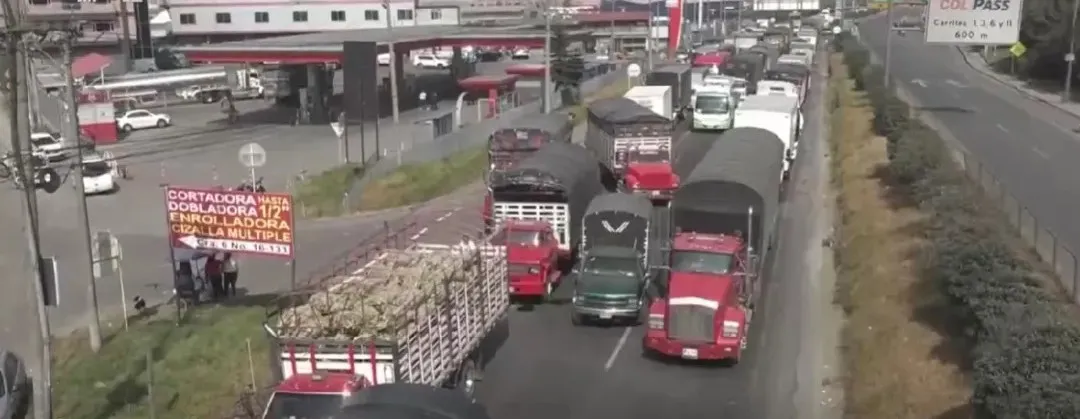
Due to the truck drivers and road blockades, local sources say that goods are currently piling up at ports and airports. The blockades have severely affected the supply of food and goods in multiple cities. The most severely affected products are agricultural products such as fruit and coffee beans, because Colombia is currently in its dry season, with high temperatures occurring in some areas, causing these agricultural products to rot faster. As the protests intensify, the situation may become even more serious, bringing major challenges to multiple industries.According to local sources, 136 road closures have been reported nationwide, public transportation has been severely disrupted, nearly 1.6 million people have been affected, and multiple schools have suspended classes.
It is understood that the cancellation of fuel subsidies and the increase of diesel prices per gallon is a policy confirmed to be implemented on the 2nd of this month. According to the Minister of the Ministry of Mines and Energy (MEM) of Colombia, the government has been issuing diesel subsidies for years, causing Colombia's diesel prices to be lower than those of other Latin American countries, and the subsidies were not even cancelled during the COVID-19 pandemic. In addition, Colombia had not adjusted diesel prices for nearly 5 years, so this new policy is reasonable.
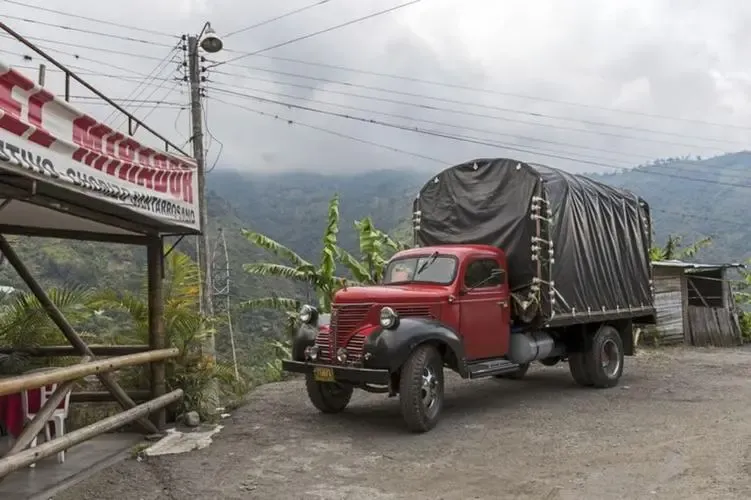
The decree raising diesel prices triggered opposition from many people working in auto-related professions, and a small number of them began holding demonstrations, after which road blockades were set up in the capital, Bogota, which already caused a certain impact at the time.
Despite the widespread protests, the Minister of Mines and Energy (MEM) of Colombia said diesel prices would continue to rise in the future, and no specific date for the increase has yet been set; after assessment, a further price increase in 2025 may be considered, and this news led drivers to expand the scale of their demonstrations and road blockades.
Because of the severe impact, the President of Colombia immediately held a security committee meeting at Narino Palace (Casa de Narino) to discuss the truck drivers' road-blocking strike. After the meeting, the Minister of the Interior sent a notice to the transport workers' union, saying that "the government's concessions have reached their limit." He also called on truck drivers to demonstrate peacefully and not to affect the normal travel of the public and businesses, adding that the price increase would not take effect immediately, but would be phased in over 4 months, and that the government was willing to hold dialogue. Measures were also being prepared against the organizers of the road-blocking protests.
At present, the demonstrations and road blockades are still continuing, and the government has no intention of canceling the decree raising diesel prices and plans to take measures, which may further aggravate the truck drivers' dissatisfaction and lead to even more serious conflict.
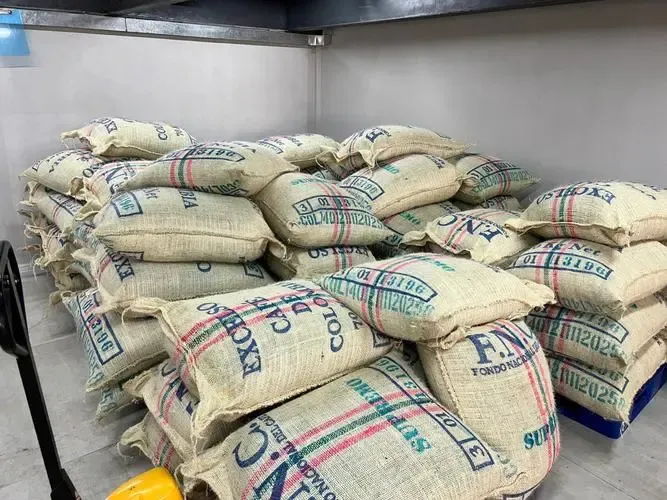
Road blockades have affected multiple industries in Colombia, especially agricultural products such as fruit and coffee. These industries have a high demand for logistics and transport, requiring truck transport for distribution and circulation. At present, issues such as rising oil prices, higher transport costs and a shortage of truck drivers have increased the transport costs of coffee and may also further worsen the supply chain.
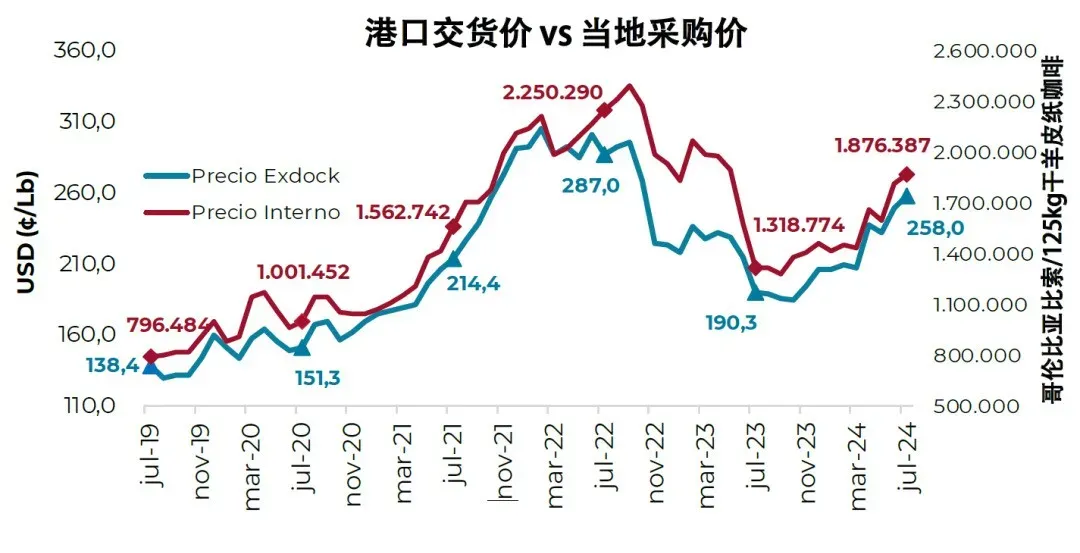
In recent times, armed conflict has continued in Colombia and has led to severe wildfires in Cauca Department, destroying large areas of sugarcane fields and coffee fields and affecting the yields of coffee and other crops. At present, local coffee prices in Colombia are continuously rising, and this situation may continue to rise due to the wildfires and this transport issue.
To learn more news and information about coffee origins, please scan the QR code to follow: Kapin
Long-press the QR code to follow:

Related Reading




Comments (0)
Loading comments...
You May Be Interested





Trending Reviews
Popular Videos

With you, wherever you are! We provide useful features to help you find new things you'll love






