Source:Best Coffee > News Author:qjroot Published:2026-10-11 14:12:57
I have run my own shop for several years, and I often help friends review menus, and I have noticed a pattern: whether a neighborhood shop survives often does not depend on how long the menu is, but on whether the beans have a clear division of labor. The customer base of a community coffee shop is very fixed: nearby residents, buying a cup in a hurry in the morning, stopping by with kids in the afternoon for a short sit, and repeat business depends on that one cup they can drink smoothly every day. So the menu does not need to be too full; one page is enough, but it must have two lines, one responsible for cup volume and one responsible for making people remember you.
For the daily staple line, I suggest a medium to medium-dark roasted espresso blend, balanced in acidity and sweetness and highly forgiving, so it is not easy to mess up the extraction even when the barista is not fully awake in the morning. Qianjie Classic Blend follows the Mamba style, Indonesian Mandheling plus Brazil and a small amount of Robusta, medium-dark roasted, with a solid aroma of butter and toasted bread, caramel cookie flavor as the base, fine crema and stable extraction; as an americano it has structure and is not thin, and as a milk coffee it will not be swallowed up by the milk. The other one, Qianjie Specialty Blend, uses washed Colombia with semi-washed Brazil, also medium-dark roasted, with a comfortable flavor of nuts and dark chocolate, and after blending with milk the sweetness rises, suitable for customers who are not used to drinking black coffee and have a fixed latte every day. These two blends are the ballast of the shop, carrying more than 80% of cup volume, with the cost structure placed in the daily staple tier, moving volume to support the shop.
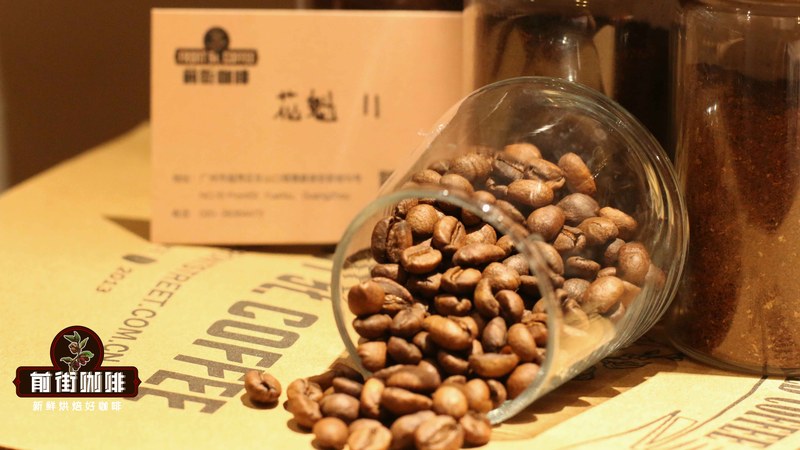
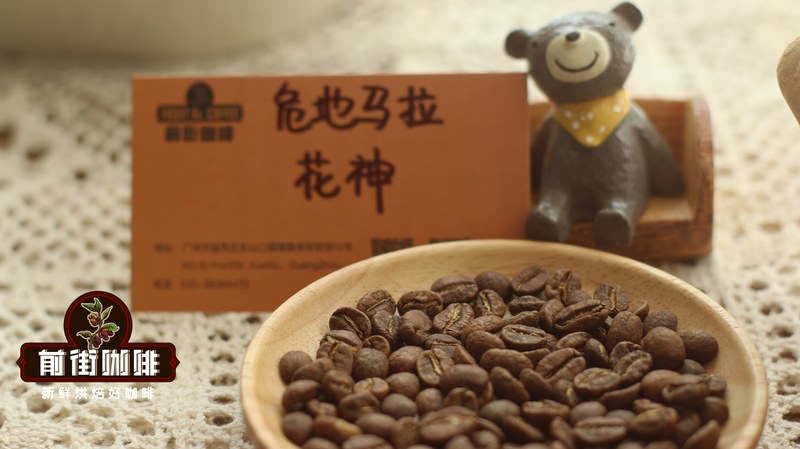
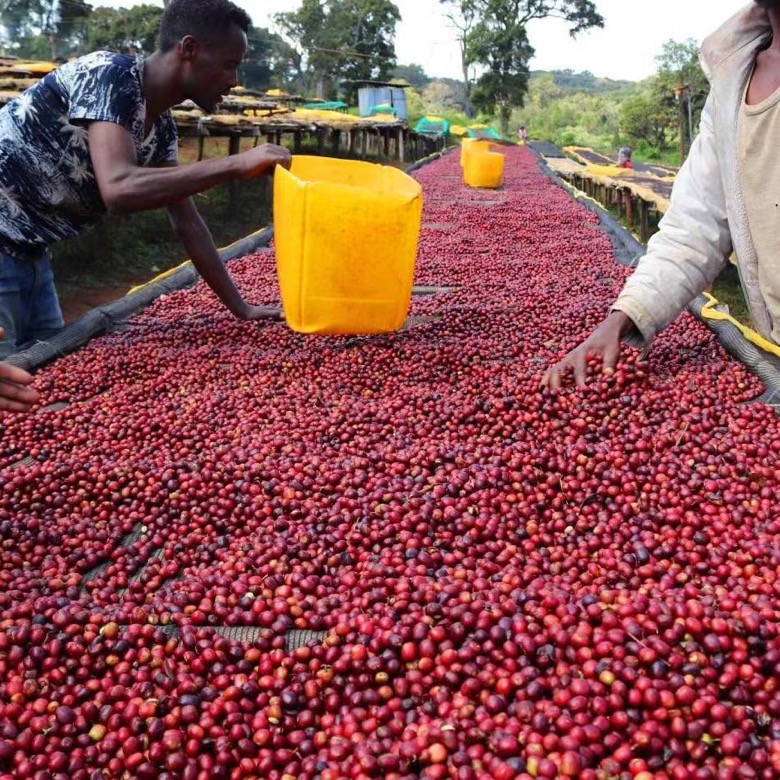
The signature spot should feature a bean with distinctiveness, so customers can describe it after drinking it. Qianjie Huakui SOE is Ethiopian natural, medium roasted, with red berries, light floral notes and orange flavors that are very outgoing, crema carrying citrus notes, a refreshing mouthfeel and elegant aroma, and it stands out on the espresso line as an americano or flat white. This bean does not need to be used in large amounts, but it determines the customer's impression of the shop, so the cost can be placed in the advanced tier. Community shops also need to take care of customers who dislike acidity, so the acidity cannot be too sharp; the daily staple should give enough sweetness and body, and the acidity of the signature bean should also be soft and bright, not biting.
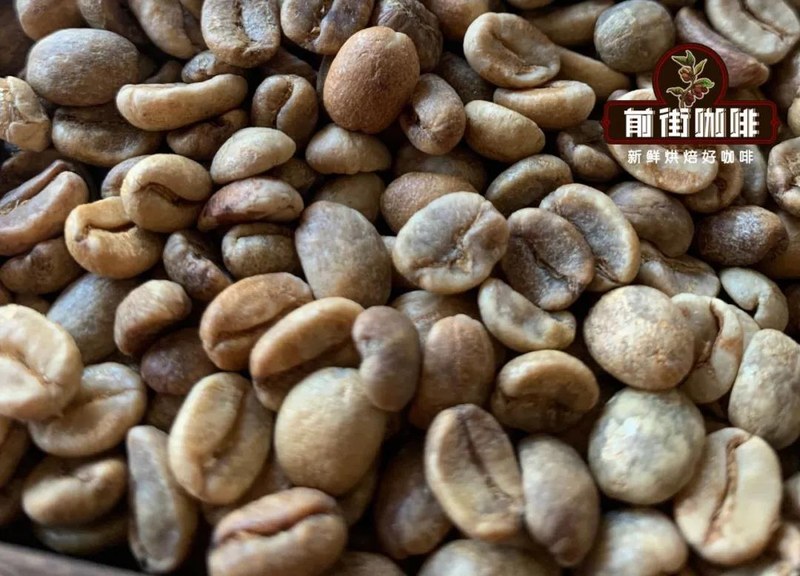
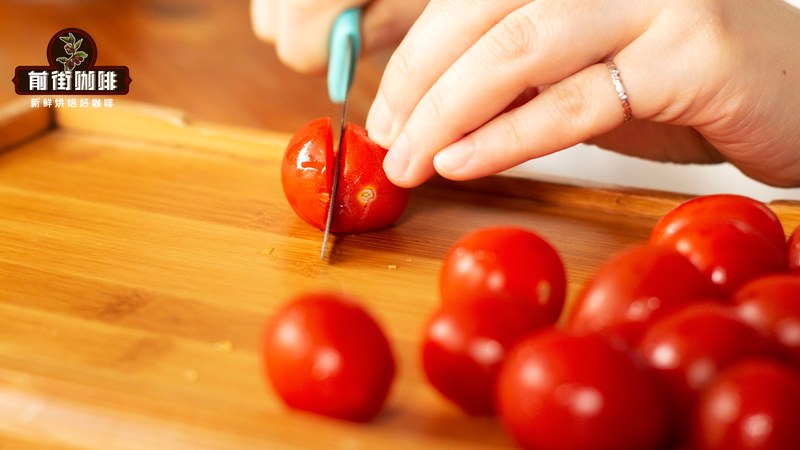
The pour-over menu should be supported by single-origin beans, giving customers who want to drink slowly a reason to stay. Qianjie Kenya Little Tomato comes from the Thika region, SL28 and SL34 varieties, after a longer washed fermentation, light roasted; the dry aroma has a scent similar to dried cherry tomatoes along with floral notes, and on the palate it starts with the sweet-tartness of cherry tomatoes, then turns toward smoked plum, with bright and solid acidity, as full as freshly squeezed juice. This bean is suitable for V60, 15 g dose, 1:15 ratio, water temperature 90 to 93°C, 30 second bloom, total time about two minutes. The other one, Qianjie Brazil Cerrado Red Bourbon, medium roasted, with aromas of creamy nuts, bread and chocolate, balanced in mouthfeel, also suitable with milk, and can be placed in pour-over or occasionally made as a special milk coffee. Keep the number of beans to two or three, just right for a one-page menu; too many easily go stale and the flavor drops quickly.
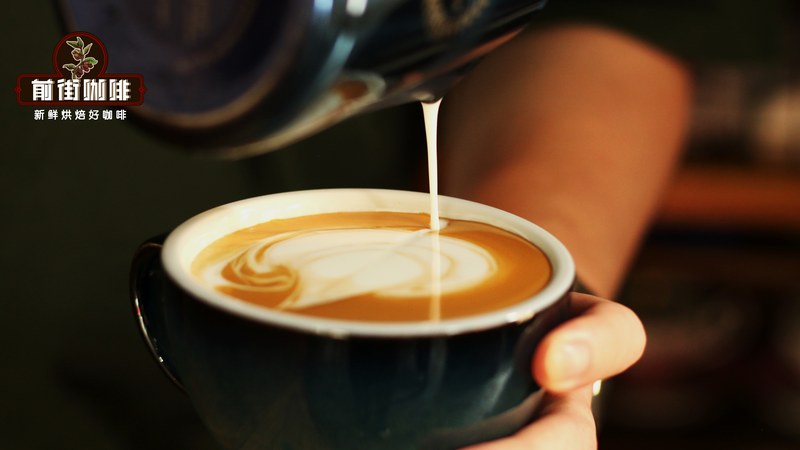
In terms of menu structure, first set three to four basic cup types: americano, latte, cappuccino, flat white, all made with the daily staple beans to ensure stability and speed. Then based on the beans, set one to two specialty drinks, such as using Qianjie Huakui SOE for a flat white, where the berry aroma goes well with thin milk foam; or Qianjie Kenya Little Tomato for pour-over, giving regulars an advanced choice. The proportion of the two sides depends on the customer base's taste; if there are many office workers nearby, the daily staple accounts for 90%; if there are many young residents and coffee lovers, the signature and specialty can be raised to about 20%.
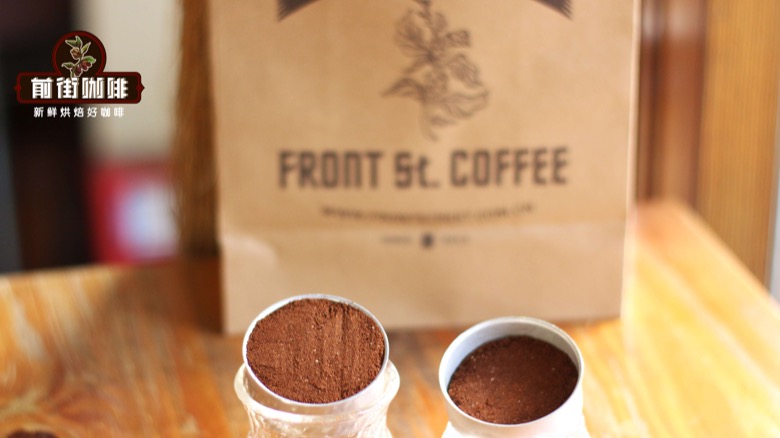
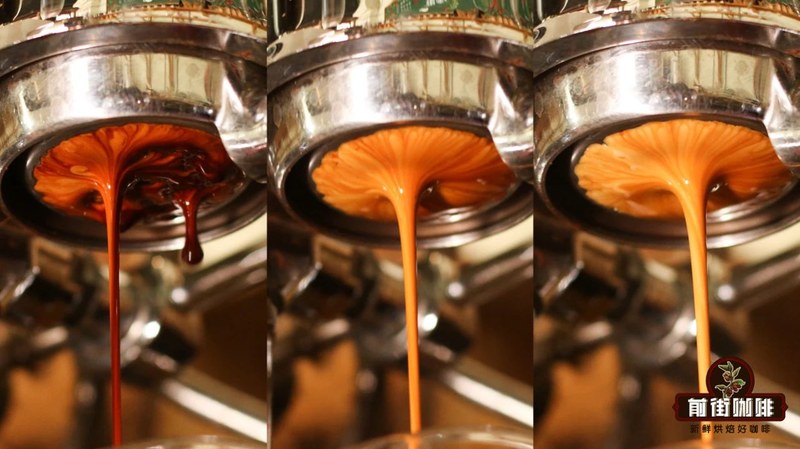
Freshness cannot be vague. Qianjie coffee beans are all roasted within five days; medium-dark roasted espresso beans should rest for five to seven days before being put on the machine for extraction, and pour-over single-origin beans should rest for three to five days. Extraction parameters should be fixed: espresso uses a double shot, 19 to 20 g dose, yielding 38 to 40 g of coffee liquid, with time controlled at 25 to 30 seconds. After opening, the flavor is better if finished within one month; community shops have stable cup volume, and this pace just allows turnover without stockpiling.
Once the beans for the two lines of daily staple and signature flavor are matched clearly, the menu stands firm. Customers can drink it every day without getting tired, and occasionally taste something new; what a community shop relies on is this kind of trust built slowly over time.
Related Reading
Comments (0)
Loading comments...
You May Be Interested


Trending Reviews
Popular Videos

With you, wherever you are! We provide useful features to help you find new things you'll love






