Source:Best Coffee > News Author:qjroot Published:2024-10-04 18:31:42
According to Kenyan local media reports, two major institutions, the Kenya Export Promotion and Branding Agency (Keproba) and the Agriculture and Food Authority (AFA), are planning to develop a unified national brand to increase the country's coffee exports, and hope through this work to integrate the country's coffee global marketing and promotion to strengthen Kenya's influence in the international market.
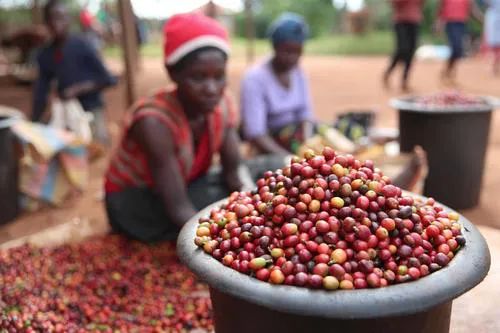
However, in recent years, Kenya's coffee production has been continuously declining, and since 2016, Kenya's coffee exports have been rather unstable. The Kenyan coffee industry has long faced the impact of factors such as shrinking planted area, rising production costs, price fluctuations and unpredictable weather conditions.
In recent years, the Kenyan government has been pushing forward reforms in the coffee industry, increasing farmers' incomes by eliminating intermediaries through the Direct Settlement System (DSS) of the Nairobi Coffee Exchange, so that changes in international coffee prices will have a direct impact on local crop production.
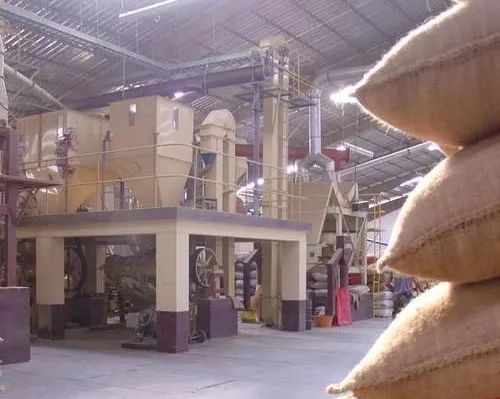
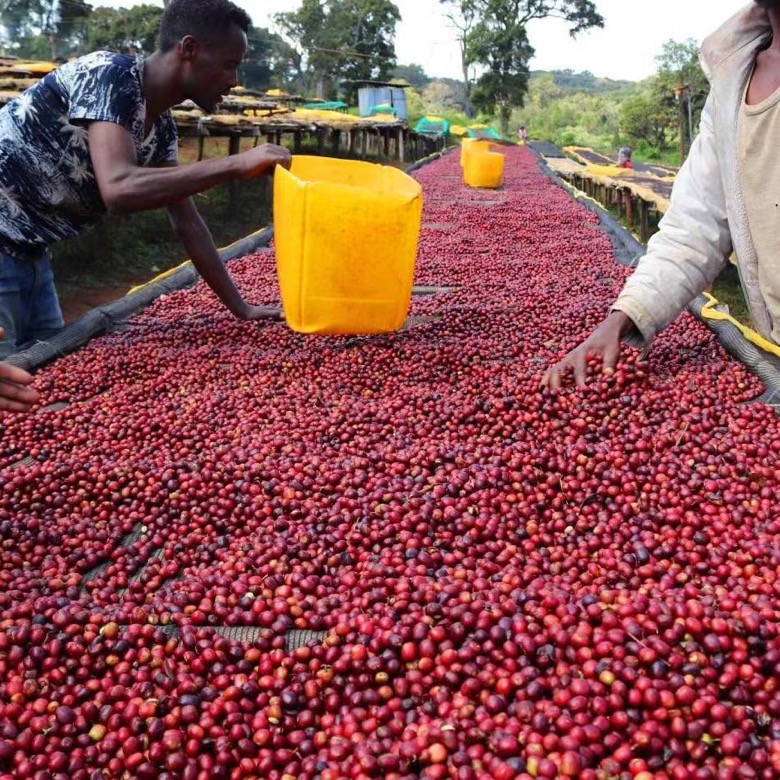
Although this helps farmers earn higher profits when exporting coffee, it also brings some negative effects. While eliminating intermediaries, it prevents some well-known international trading companies from obtaining licenses for the coffee processing plants they have set up in Kenya, leading to the closure of these large coffee processing plants. It also stipulates that processing may only be carried out at facilities that have obtained the many required operating permits and are designated by the government. However, this situation has increased orders for some small processing plants, but with insufficient capacity and manpower, the coffee cherries awaiting processing at these plants pile up seriously, leading to problems such as rotting, and both yield and quality have declined.
Earlier, the Nairobi Coffee Exchange (NCE) in Kenya reported that in the first half of 2024 a total of 29,000 tons of coffee was auctioned, at an average price of 140.5 shillings, with export volume increasing by 40% compared with the same period last year and the unit price increasing by 9%.
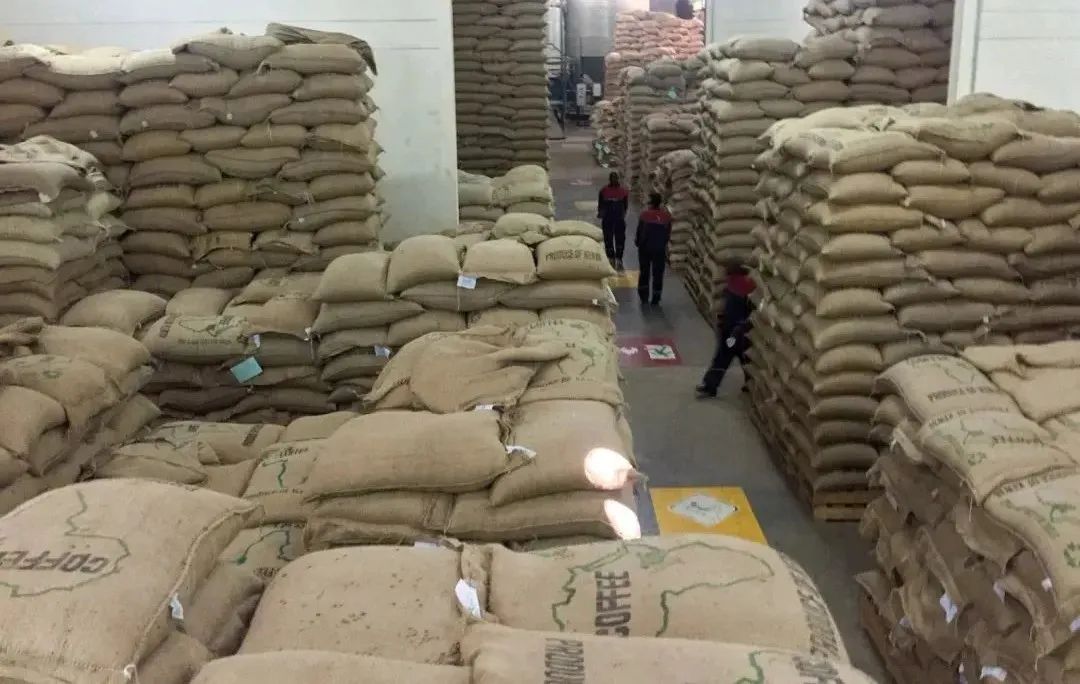
Although the volume of coffee traded at the Nairobi Coffee Exchange has continued to grow, this is because Kenya had previously suspended coffee ranking due to reforms in the coffee industry, and the current restart of auction trading has driven the volume higher. In addition, it has benefited from the stimulus of rising international coffee prices. At the same time, Kenya's main buyers are EU countries such as Germany and France, and the EU accounts for 21% of Kenya's total coffee exports. Traders in the EU, worried about the impact of the EU Deforestation Regulation (EUDR) taking effect on December 30, 2024, have therefore increased their purchases to ensure sufficient coffee stocks once the regulation is implemented.
However, recently the European Commission stated that, in light of feedback from many international partners, it is necessary to postpone the implementation of the EU Deforestation Regulation (EUDR) by one year, that is, it will apply to large companies in the EU starting December 30, 2025, and to small businesses starting June 30, 2026. The proposal is currently awaiting approval by the European Parliament and the Council. But since all implementation tools are technically ready, the additional 12 months can serve as a phased implementation period to ensure correct and effective implementation.

Even though the EU Deforestation Regulation (EUDR) has been delayed by one year, traders are still concerned about some less developed coffee-producing countries, such as African countries like Ethiopia and Kenya, because these countries find it difficult to meet the standards set by the EU Deforestation Regulation (EUDR). According to a report by the UK think tank ODI, meeting the EU Deforestation Regulation (EUDR) could increase costs in these African countries by 10%.
However, even though Kenyan coffee prices have risen recently, its coffee production costs are also rising. It is reported that due to limited funding for the Kenya Coffee Research Institute (CRI), there has been a long-term shortage of certified planting materials, which has hindered the establishment of new coffee plantations; farmers have limited access to inputs and extension support, affecting coffee production. In addition, the Kenyan government has been trying to raise funds through additional taxes in order to continue paying interest on its high sovereign debt. Although the fiscal bill introduced earlier caused public dissatisfaction and clashes broke out, the government still plans to continue increasing some taxes, which will undoubtedly drive up some local prices.
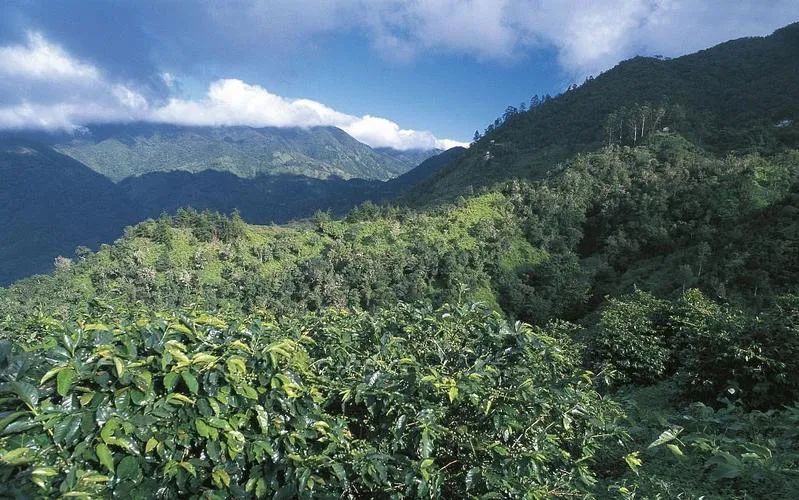
At present, after Kenya opened up following the pandemic, tourism has surged, domestic coffee consumption has risen, and the volume of coffee available for export has decreased. The Red Sea crisis has led to congestion at Kenyan ports, and the shortage of containers has blocked the export of products such as coffee. There are still many difficulties, so local coffee industry personnel hope that the government's new policies will help the industry develop.
To learn more coffee origin news and information, please scan the QR code to follow: Kaping
Long-press the QR code to follow:

Related Reading






Comments (0)
Loading comments...
You May Be Interested




Trending Reviews
Popular Videos

With you, wherever you are! We provide useful features to help you find new things you'll love






