Source:Best Coffee > News Author:qjroot Published:2024-08-22 19:08:16
Africa is the world's second-largest continent, rich in mineral, hydropower, agricultural and forestry resources. Africa is largely a plateau, and three-quarters of the region has an average temperature above 20°C, making it very suitable for coffee and other agricultural cultivation.
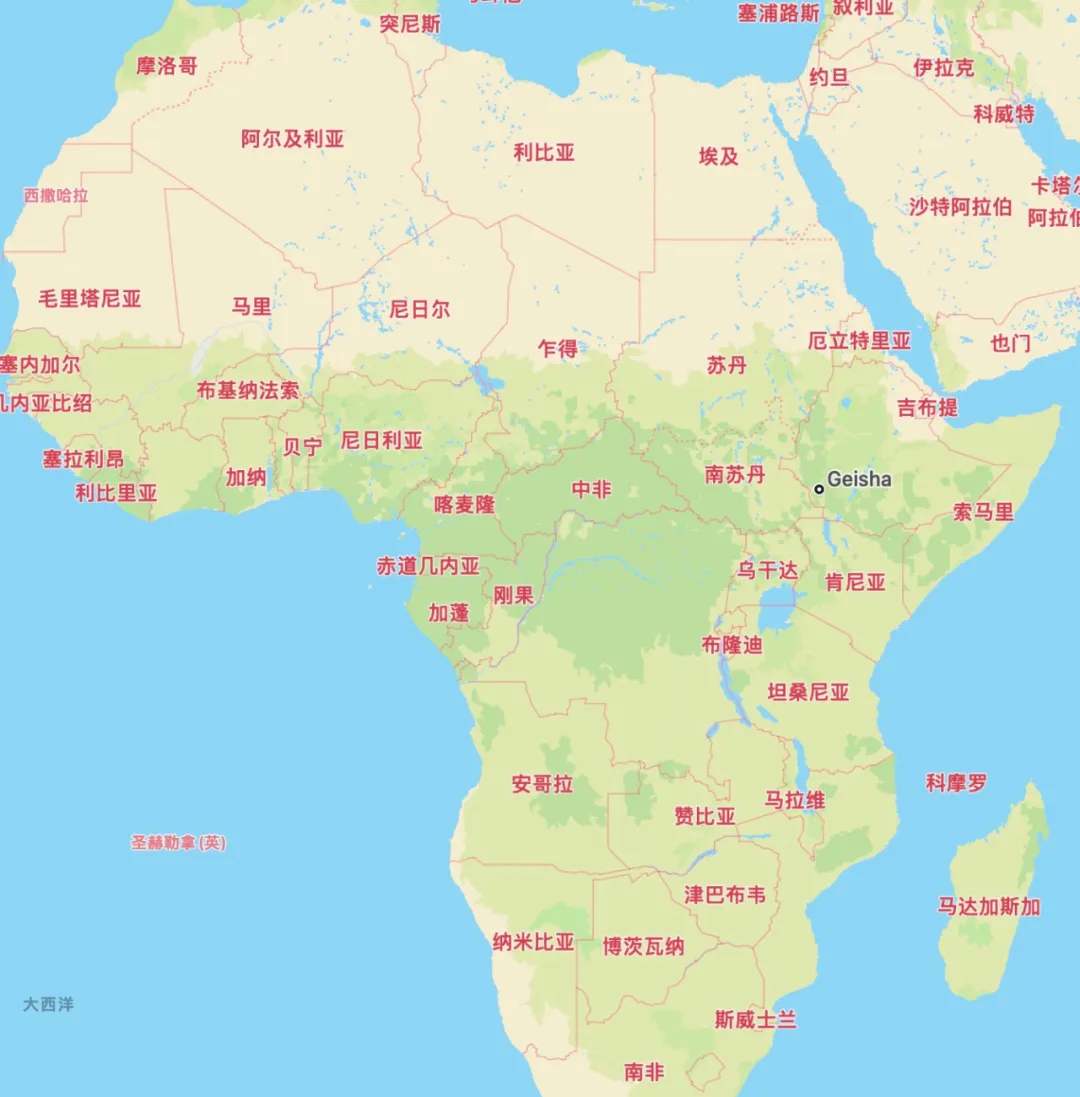
As a result, many countries in Africa grow coffee, and the best known are Ethiopia and Kenya, also the most commonly seen in China. In addition, there are Tanzania, Rwanda, Burundi, Cameroon, the Democratic Republic of the Congo, Malawi, South Africa, Uganda, Zambia, Cote d'Ivoire, Zimbabwe, Angola and others.
Burundi
Burundi is located in central Africa, just south of the equator. A country dominated by hills and mountains, it is mostly made up of the highlands on the eastern side of the East African Rift, with numerous volcanoes and fertile soil, earning it the title of the heart of Africa.
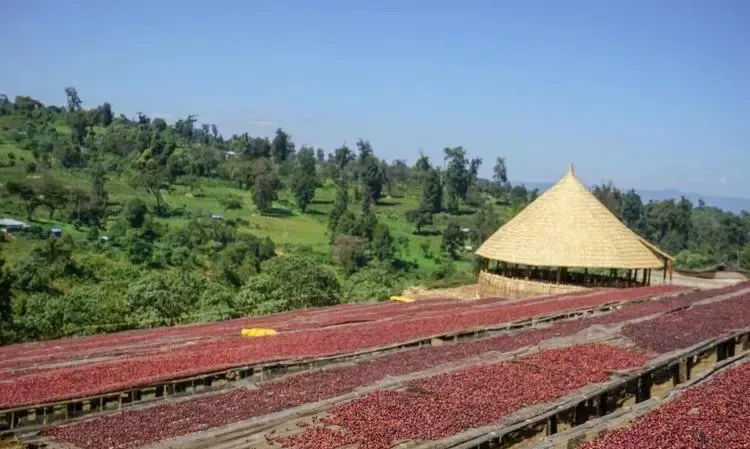
In the early 20th century, Belgian colonists introduced coffee to Burundi and began cultivating it locally. By 1962, Burundi had thrown off Belgian rule, and the government took back the coffee industry and vigorously developed it. Thanks to its superior geographical environment, coffee quickly became an important part of the country's economy. But afterwards the Burundian civil war broke out, causing a severe drop in coffee production. After the civil war ended, the coffee industry began to recover, and the government allowed private individuals to set up coffee washing stations. As coffee exports increased, it drew international attention, and with funding from some world organizations the coffee industry developed well.
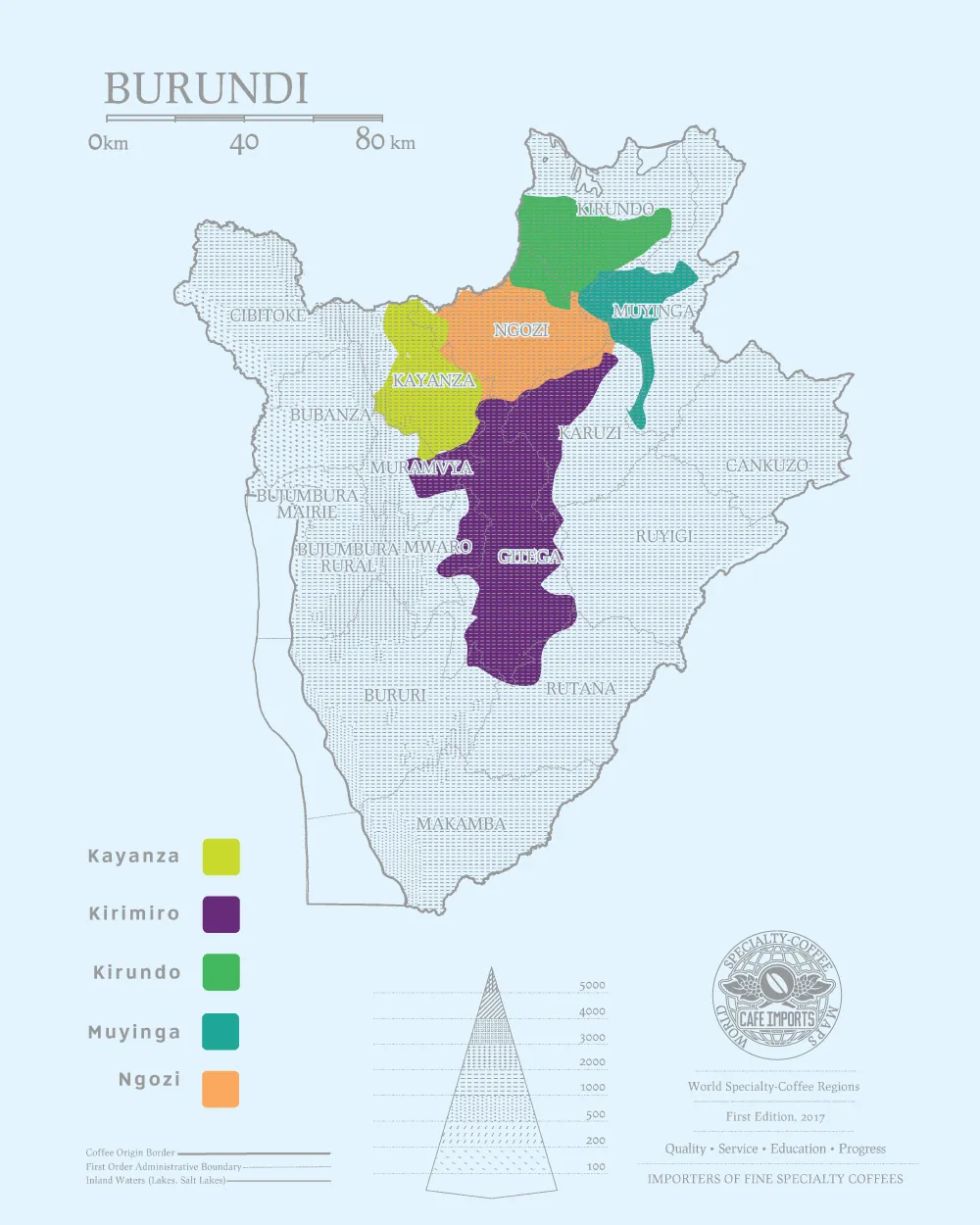
Currently, coffee is mainly grown in north-central Burundi, in five major producing regions: Kayanza, Kirimiro, Kirundo, Muyinga and Ngozi, where Arabica varieties such as Bourbon, Caturra, Catuai and Jackson are mainly grown, with fairly bright acidity and sweetness, full-bodied overall, and balanced. Annual coffee production is around 20 tons, mostly washed, with more exports to the EU region.
Cameroon
Cameroon is located in west-central Africa, bordering the Gulf of Guinea, and is a country with both sea and land. Its terrain is complex: apart from a small stretch of coastal plain, it is mostly plateaus and mountains, and it has numerous rivers and forests, volcanoes everywhere, and ample rainfall, making it very suitable for coffee growing.
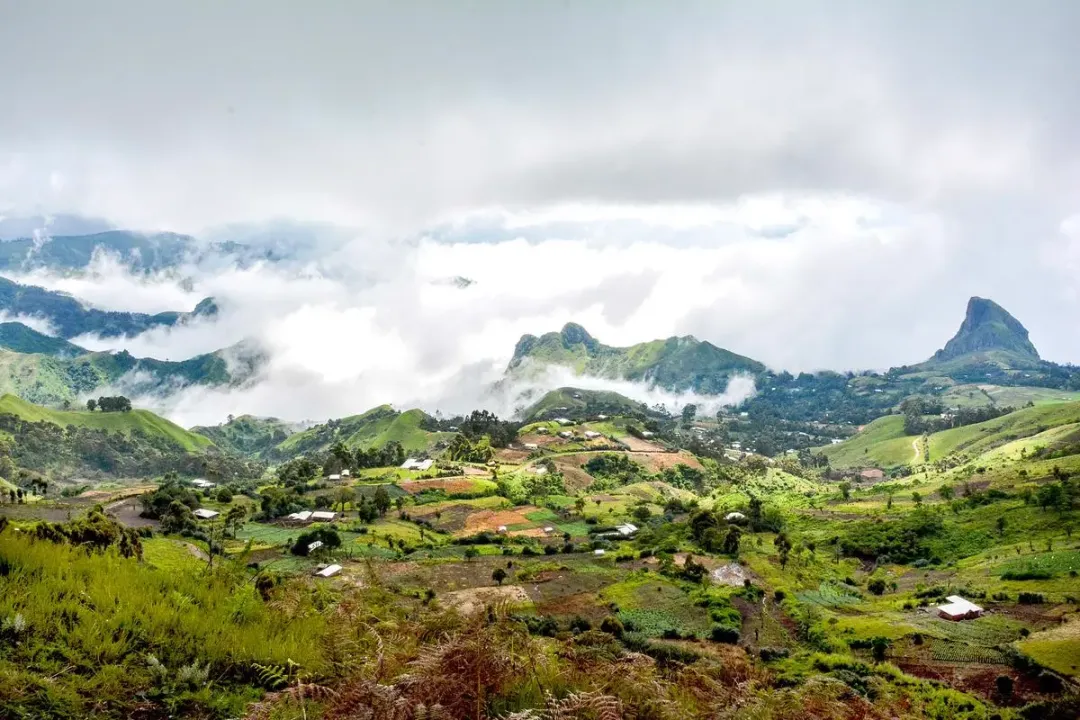
In the 19th century, when Cameroon was a German colony, the Germans brought coffee into Cameroon and experimented with growing coffee in the country's southwestern region, which later spread to growing nationwide. Afterward it broke away from Germany and became a French colony, and France also vigorously developed the local coffee industry; at that time coffee production reached 156,000 tons. But later, in 1960, Cameroon became independent, and under the influence of government policies and the global economic crisis, production fell severely; later the government sought help from Brazil and, with funding from the West African CFA franc (FCFA) organization, was able to develop.
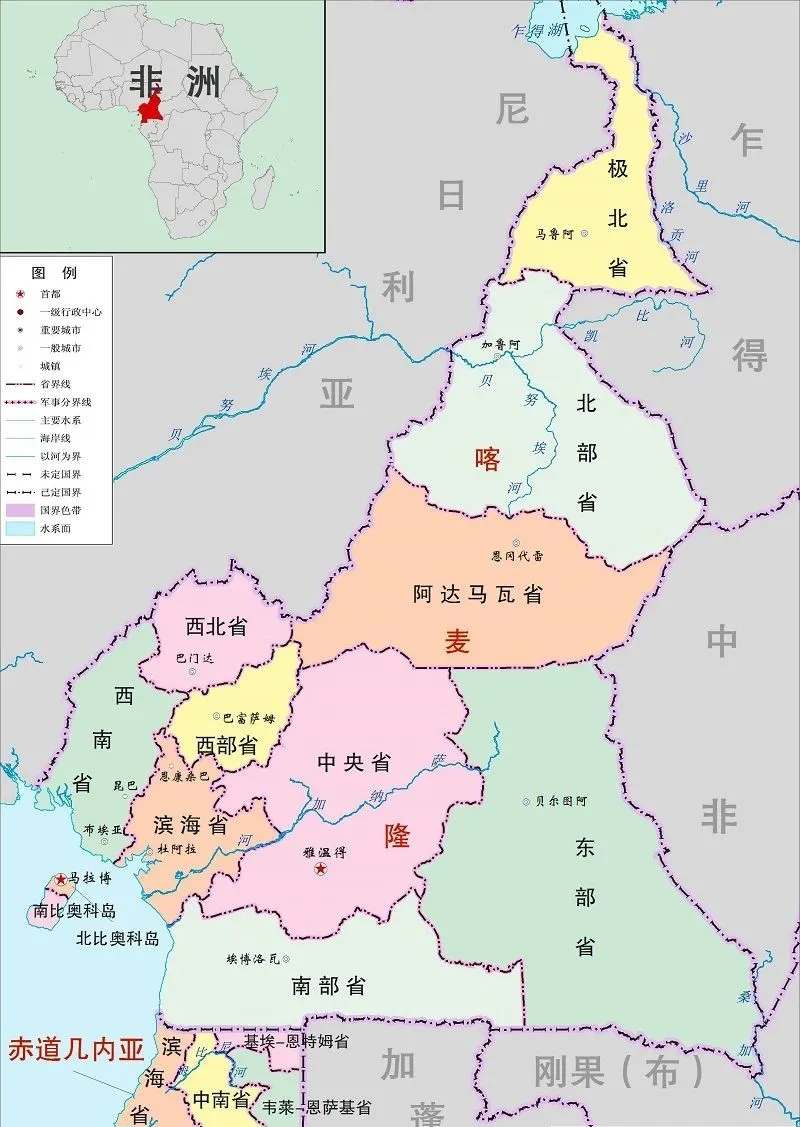
At present, Cameroon mainly grows Robusta coffee, which is cultivated in most parts of the country, while Arabica varieties such as Java and Typica are grown in the higher-altitude areas of the west; Arabica varieties account for only 5% of the country's output. At present, Cameroon's annual coffee production is 11,000 tons, mainly exported to the Netherlands, France and China.
Democratic Republic of the Congo Démocratique du Congo
The Democratic Republic of the Congo, abbreviated as Congo (Kinshasa), is located in central Africa and is mainly divided into five parts: the central Congo Basin region, the East African Rift Valley region of the southern African plateau in the east, the Azande Plateau region in the north, the Lower Guinea Plateau region in the west, and the Lunda-Katanga Plateau region in the south. It is rich in natural resources, with many volcanoes, rivers and lakes, and abundant forest resources, which can provide an ideal growing environment for crops such as coffee.
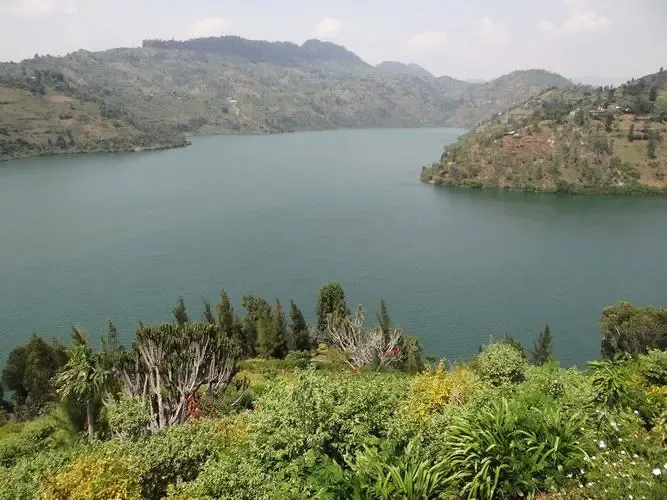
Congo (Kinshasa) is the birthplace of Robusta; this coffee variety was discovered in the late 19th century, during the period of Belgian colonization, and therefore many coffee plantations were developed in Congo (Kinshasa). Later, in 1960, Congo (Kinshasa) became formally independent, but the political chaos brought by independence led to a decline in coffee production, and a civil war broke out shortly afterwards, dealing a heavy blow to the coffee industry. Only in recent years, after the situation stabilized somewhat, did the coffee industry begin to develop, but in recent years there have still been continuous conflicts, and development has been relatively slow.
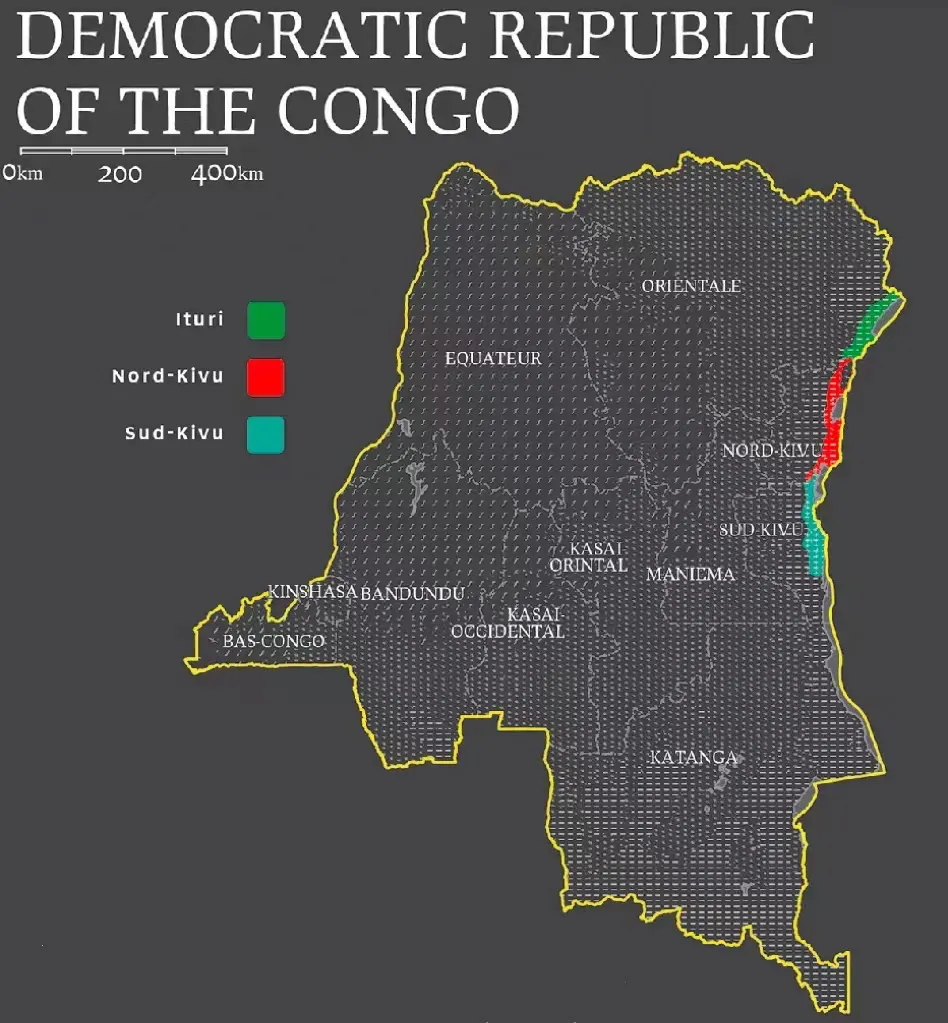
As the birthplace of Robusta, the Democratic Republic of the Congo produces 80% Robusta nationwide, with a small portion growing Arabica. Arabica is mainly composed of the Bourbon and Typica varieties. Coffee is mainly grown in the eastern part of the country, in the Lake Kivu region bordering Burundi and Rwanda, with wild aromas and fruit and herbal flavors. The cultivation method is similar to other African countries, mainly smallholder farming and cooperative models, with an annual output of about 10 tons of coffee beans. Currently, exports are mainly to the neighboring country Uganda and East African Community member states.
To learn more about coffee origins and news, please scan the QR code to follow: Kaping
Long-press the QR code to follow:

Related Reading




Comments (0)
Loading comments...
You May Be Interested




Trending Reviews
Popular Videos

With you, wherever you are! We provide useful features to help you find new things you'll love






