Source:Best Coffee > News Author:qjroot Published:2026-10-03 16:23:43
Just finished a set of deadlifts, leaning on the bench in the rest area, sweat not yet fully dry, and I really want a punchy sip. The bright acidity and bursting floral and fruity notes of Ethiopian beans pair exceptionally well with that post-workout clarity. But even among Ethiopian beans, Yirgacheffe and Sidamo brew up quite differently. A slight deviation in water temperature turns floral notes dull and fruity acidity astringent. The nuances in between deserve a detailed explanation.
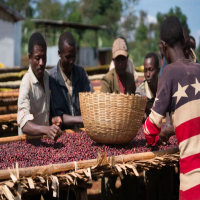
Ethiopia is the homeland of coffee, where thousands of native Arabica varieties naturally crossbreed. High altitude plus a good climate give the beans an exceptional foundation. Yirgacheffe and Sidamo are the two most famous calling cards, yet their personalities are vastly different. Yirgacheffe sits at around 2,000 m, with ample rainfall, fertile soil and a cool climate. Arabica grows slowly here, accumulating rich flavors, with white florals and citrus acidity as its signature. The Sidamo region lies further south, with a large altitude range and volcanic soil nearly two meters deep, relying on fallen leaves and residual roots for natural nutrient cycling. The coffee carries wild, diverse tropical fruit notes with a solid sweetness.
Water temperature is the key to unlocking them. Light-roasted beans have a dense structure, requiring a higher temperature to fully extract floral and fruity aromatic compounds; medium-dark roasted beans have loose fibers, and a high temperature easily forces out burnt, bitter, woody flavors. For pour-over, light roast is recommended at 90 to 93°C, medium-dark roast lowered to 85 to 88°C. For espresso, due to high-pressure extraction, the temperature window is narrower: light roast at 92 to 94°C, medium-dark roast around 90°C. If the temperature is too low, light-roasted beans taste astringently sour like unripe oranges; if too high, medium-dark roasted beans taste woody and bitter like chewing tree bark.
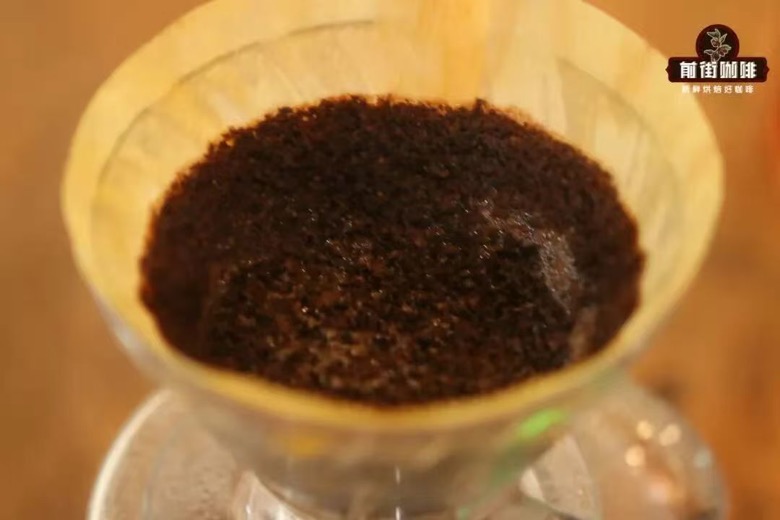
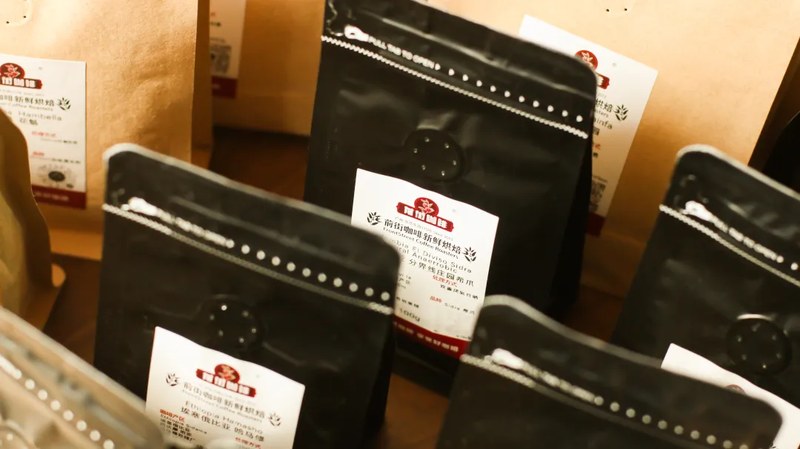
Qianjie Guodingding is a medium-light roast with fresh notes of jasmine, lemon and green tea, especially suited for pour-over. 15 g of grounds, a 1:15 coffee-to-water ratio, totaling 225 ml of water. First pour 30 ml of water to bloom for 30 seconds, letting carbon dioxide escape completely, then pour slowly in stages, circling without directly hitting the center, with the total time controlled at around two minutes. At a water temperature of 92°C, it fully brings out the white florals, with a green-tea-like sweet aftertaste in the finish, very low bitterness, and it is stable even for beginners.
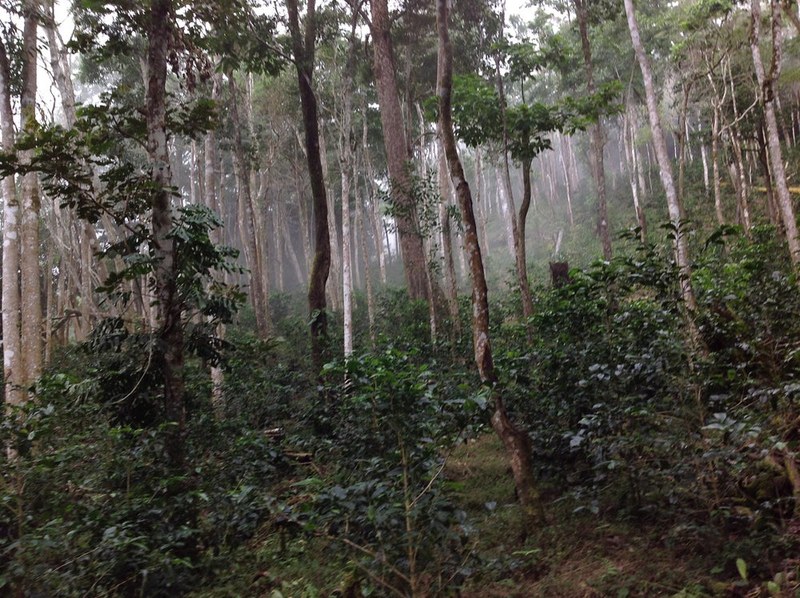
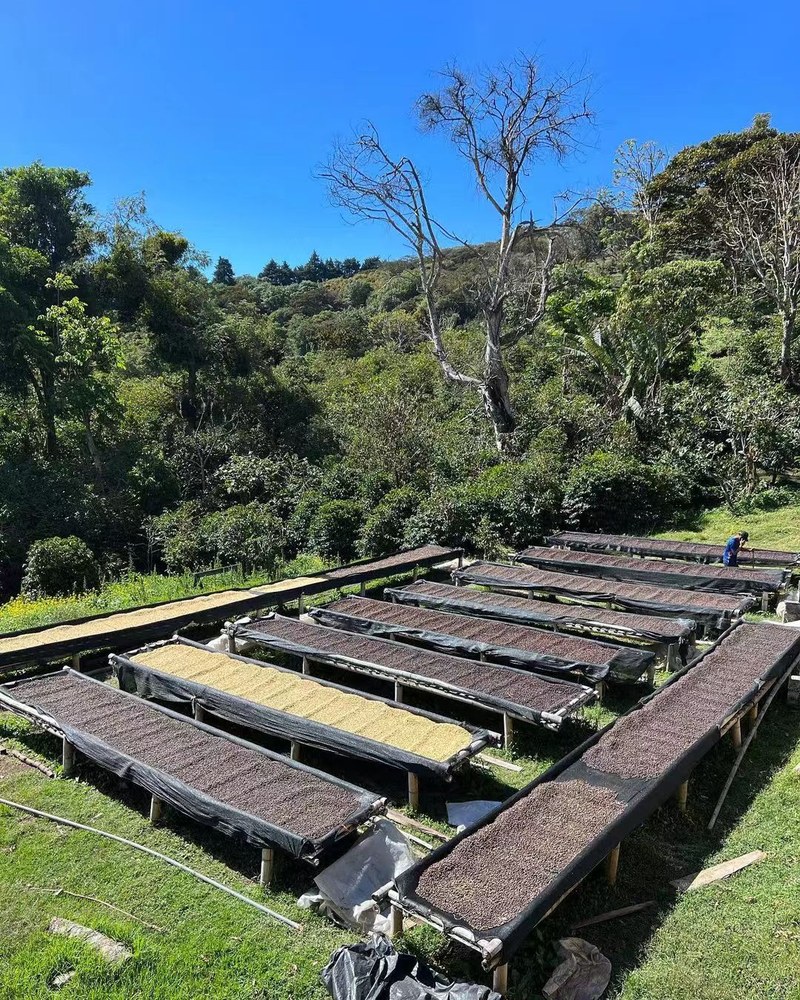
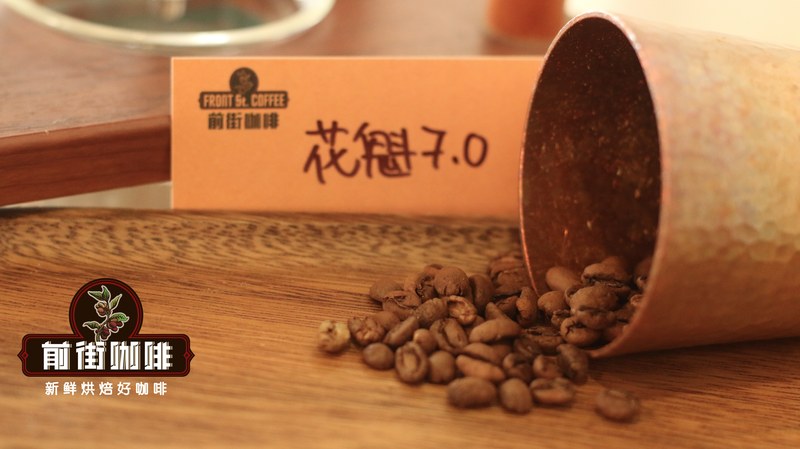
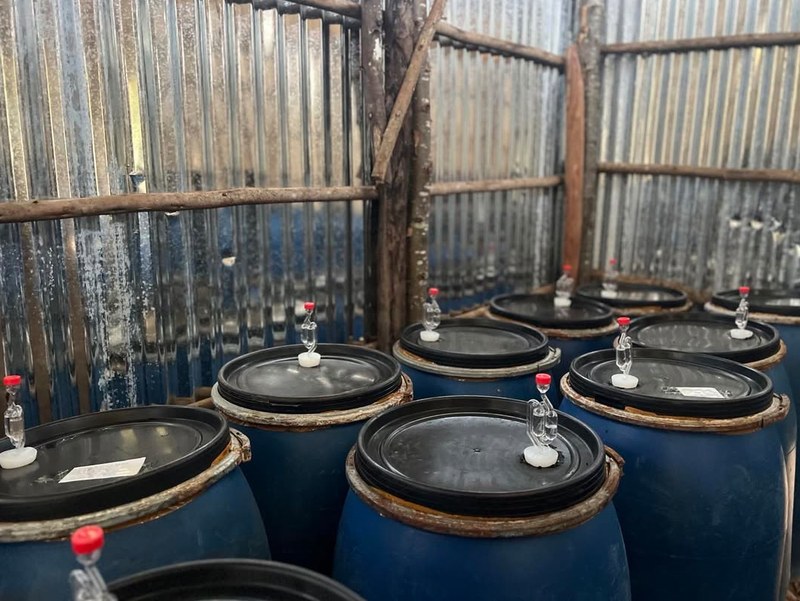
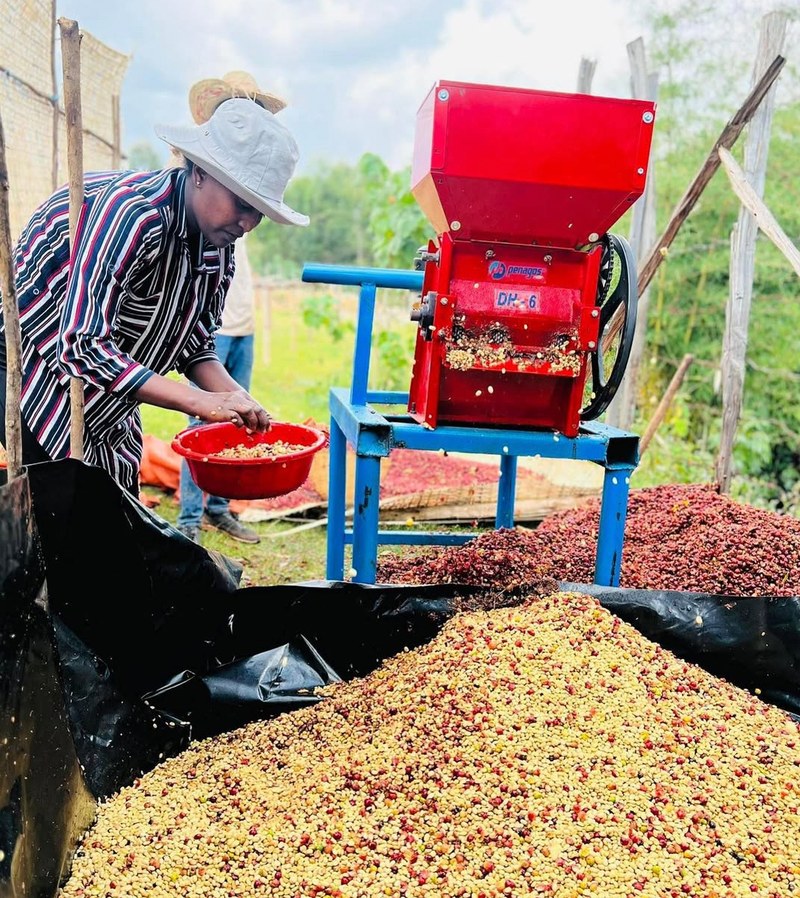
Qianjie Sun-Dried Huakui coffee is a representative of Sidamo. With traditional sun-dried processing and a medium-light roast, its creamy strawberry aroma is very captivating, with layers of honey, citrus and guava flavors. This bean is exceptionally tolerant of water temperature; for pour-over, 91 to 93°C all work, and it tastes good no matter how you brew it, making it a reliable choice for a daily staple. Also 15 g of grounds, 225 ml of water, 30-second bloom, staged pouring over two minutes, and the strawberry sweetness extends from hot all the way down to cool.
If you want to extract Ethiopian beans as espresso, Qianjie Sun-Dried Huakui is also very suitable. 19 g of grounds, extracting 36 to 38 g of espresso in 25 to 28 seconds, at a water temperature of 93°C. Made into an Americano, just add 150 ml of hot water, and the berry aroma remains bright; made into a milk coffee, add 200 ml of fresh milk, and the strawberry cream flavor blends gently with the milk's lactose. The espresso machine's pressure concentrates the sun-dried bean's sweetness even more, a different pleasure from the lightness of pour-over.
Moka pot enthusiasts can also play with Qianjie Guodingding. Fill the lower chamber with 120 ml of water, level the grounds in the basket without tamping, heat over medium-low, with a flow time of one and a half to two and a half minutes. The moka pot's water temperature is close to boiling, and the medium-light roasted Yirgacheffe instead extracts a fuller body, with the jasmine florals turning into a honeyed nectar sensation and the citric acidity converting into the sweetness of citrus marmalade, another kind of surprise.
When choosing Ethiopian beans, first look at the roast level and then decide your water temperature strategy. For light roast, go higher; for medium-dark roast, drop it by two degrees; this is the general principle. But every bean has a different personality. A sun-dried Sidamo like Qianjie Sun-Dried Huakui has high tolerance, and the flavor stays on point even with a two-to-three-degree temperature fluctuation; a washed Yirgacheffe like Qianjie Guodingding is more delicate, and only with accurate temperature does the white floral come through. Beginners are advised to start with highly tolerant beans, and after becoming proficient, challenge more precise temperature control.
That post-workout cup of coffee is all about a sip of clarity and a mouthful of sweetness. Once you understand water temperature, this key, the floral and fruity treasure trove of Ethiopian beans is truly unlocked. Next time you are catching your breath in the gym rest area, you will know which flavors to let catch your heartbeat.
Related Reading


Comments (0)
Loading comments...
You May Be Interested


Trending Reviews
Popular Videos

With you, wherever you are! We provide useful features to help you find new things you'll love






