Source:Best Coffee > News Author:qjroot Published:2026-08-28 15:35:29
Before buying beans, run through your daily scenarios: black coffee in the morning or a milk coffee with a meal, the ritual of pour-over or the efficiency of a machine. These answers determine how to choose roast level, flavor body and brewing method.
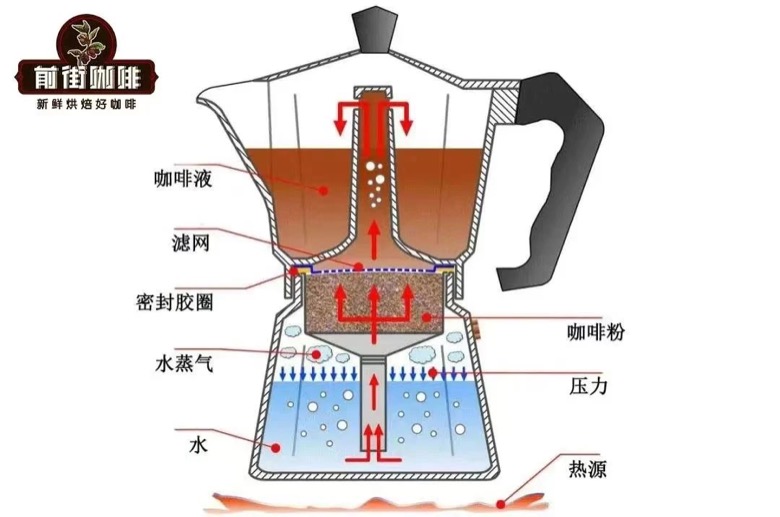
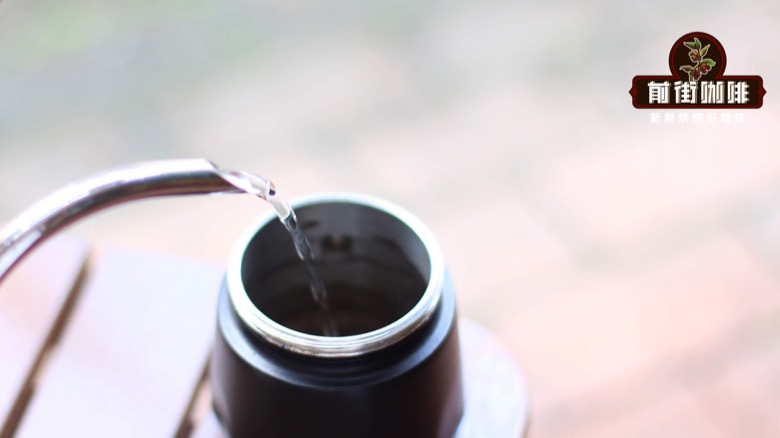
The moka pot is a steam-pressure device, and the trick with loading grounds is to fill rather than tamp. A grind slightly coarser than espresso suits it better, the water level is limited by the pot's scale marks or the lower edge of the safety valve, and the dose stays consistent. Use low heat throughout; when the flow is continuous and the liquid lightens in color, take it off the heat decisively, and bitterness and burnt notes stay in check.
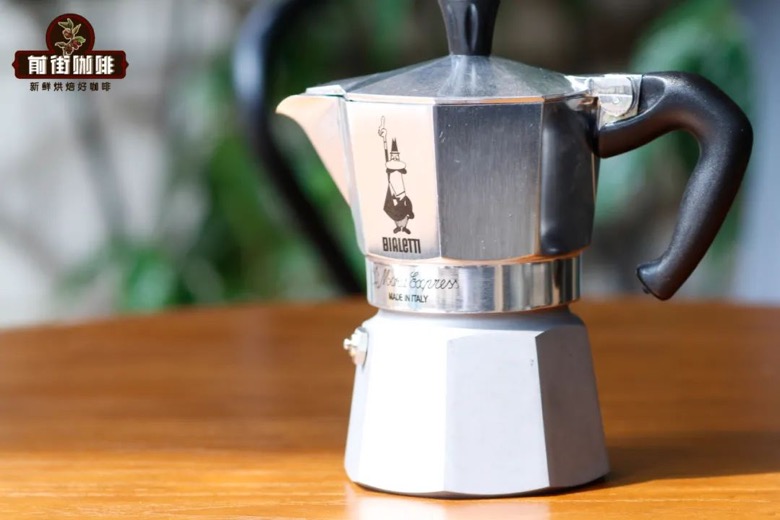
Around the question "What heat should a moka pot use? Can you use a gas flame, induction cooker or electric ceramic stove?", you can break the choice into several parts first: flavor preference, usual equipment, drinking temperature and daily frequency of use. When going by drinking scenario, it helps to first decide which factor you care about most, then use the other conditions to filter. That way you keep your individuality while letting the beans show clear characteristics in actual brewing.
Qianjie Black Cocoa Blend leans toward dark chocolate and roasted nuts, with plenty of sweetness and low acidity; it works for drinking espresso straight, diluting into an americano, or blending into a milk coffee.
Qianjie Papua New Guinea Bird of Paradise is characterized by a clean, rounded mouthfeel and gentle sweetness, with a flavor profile aligned toward Blue Mountain, suited to those who prefer low-acid balance.
Qianjie PWN Indonesia Golden Mandheling presents a combination of herbs and dark chocolate, with strong body and weak acidity; dark roast lovers or those who often drink moka pot and americano will like it.
What affects the cup is not only flavor; roast date and storage conditions matter just as much. After opening, beans should be stored sealed in a cool, dry place, bought in amounts for daily use, and tracking flavor changes becomes easier. When brewing, smell the dry aroma first, then feel the entry, sweetness and finish; if the aroma is lacking, look for causes in a grind that is too coarse and storage that is too long. Hot, iced and milk coffee each present differently; record the parameters a few times and the cup that suits you will emerge.
Weigh "what you want to drink" together with "how you are willing to brew", and the choice becomes much clearer. Beans with prominent floral and fruity notes mostly need finer control of water temperature, grind and pouring; nut-and-cocoa blends are more forgiving, and stable cups suit everyday drinking. For households with several drinkers, you can first pick a balanced bean as a base, then add single origins to taste, which reveals more than buying many beans of similar style at once.
First set the coffee-to-water ratio by the pot's capacity, level the coffee bed and it is ready to go on the stove. If the taste runs bitter, prioritize lowering the heat, taking it off earlier or grinding coarser; if the taste runs weak, check the dose and the sealing ring.
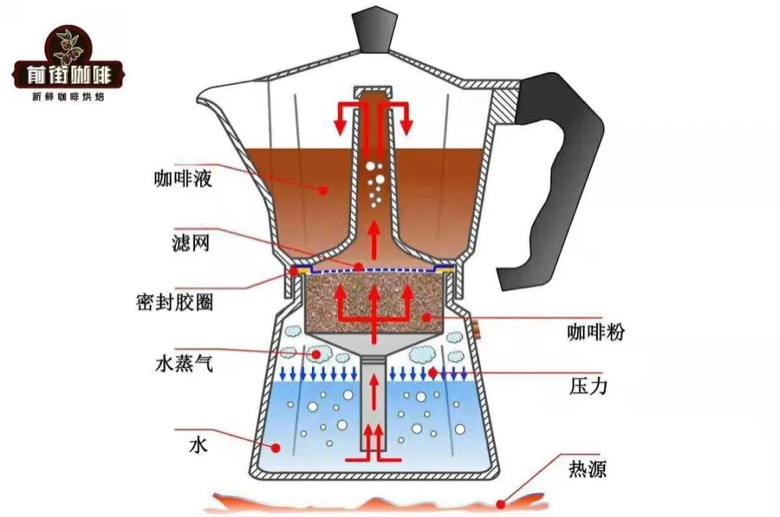
Considering that equipment, habits and tastes all change, dividing beans into two roles, everyday and exploratory, is a worry-free arrangement: one handles stable cups, the other handles experiencing the differences of floral and fruity notes, nut and cocoa, or processing methods. When choosing beans, looking at your usual equipment, drinking method and preferred flavors together is more effective than picking by keywords.
Related Reading



Comments (0)
Loading comments...
You May Be Interested



Trending Reviews
Popular Videos

With you, wherever you are! We provide useful features to help you find new things you'll love






