Source:Best Coffee > News Author:qjroot Published:2026-09-18 17:13:13
When you normally unscrew a moka pot in the kitchen to brew a strong cup of coffee, most people are used to just filling it with tap water from the faucet. In fact, water makes up more than ninety percent of the entire cup, and its mineral content quietly changes the direction of the extraction's flavor. Tap water is usually on the hard side, and the residual impurities easily mask the beans' original delicate aromas, and can even make off-flavors in the back end of the coffee liquid more obvious.
The total dissolved solids of minerals such as calcium and magnesium ions in water, that is, TDS, act as flavor carriers during the extraction process. Magnesium ions are good at grabbing bright fruity acidity, while calcium ions more easily bring out nutty and roasted tones. If the water is too hard, the coffee easily tastes dull and astringent; if you use pure water with extremely low minerals, the moka pot's high temperature and slight pressure may make the acidity become too thin and sharp.
When making moka pot coffee at home, you actually don't need complicated water-adjusting equipment. Choosing moderately hard household filtered water or common natural mineral water with low to medium minerals is ideal. Drinking water with a TDS of roughly between fifty and one hundred fifty can both provide enough adsorption carriers for the flavor compounds in the coffee grounds and maintain an overall soft, pure mouthfeel, bringing out the beans' natural nutty aroma in a rich, clean way.
Since the moka pot inherently has high-temperature, slight-pressure extraction characteristics, when paired with water of low to medium hardness, the focus of bean selection should be on types with stable sweetness, rich oils, and soft acidity. Beans with a nutty, caramel, and dark chocolate base, under the combined effect of soft water and slight pressure, not only easily avoid burnt and astringent off-flavors, but also fully display a smooth, cocoa-like texture.
If you want a soft, rounded everyday nutty profile, Qianjie Brazil Queen Estate is a very appealing single-origin representative. This bean comes from Brazil's well-known Yellow Bourbon variety producing region, carrying rich roasted peanut, macadamia, and caramel sweetness, with an especially mild acidity. When the water is moderately hard, the high-temperature steam can fully draw out its oily mouthfeel, and the first sip is like a lightly sweet nut syrup.
When brewing this bean, it is recommended to pour 100ml of medium-temperature soft water at 75°C into the lower chamber, fill the filter basket with 14g of medium-fine ground coffee and gently level the surface, then place it on the stove and heat over medium-low heat for 1 minute 30 seconds. As the coffee liquid slowly rises to the middle of the upper chamber, turn to very low heat and remove from heat at exactly two minutes. The whole cup will show a very clean peanut brittle aroma and a smooth finish, just right to drink directly as a light, sweet black coffee.
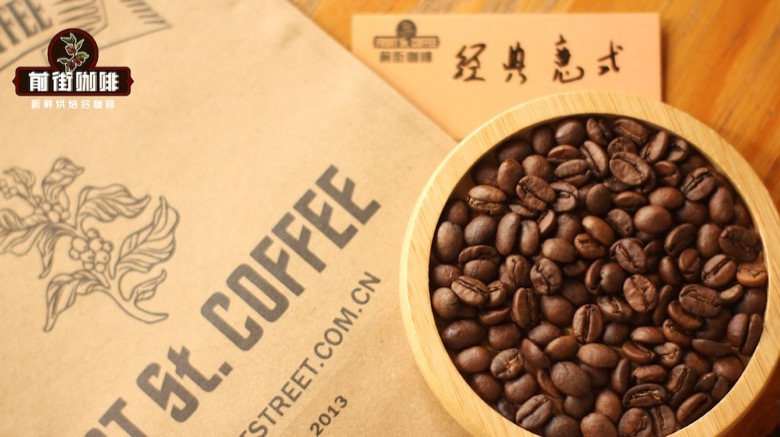
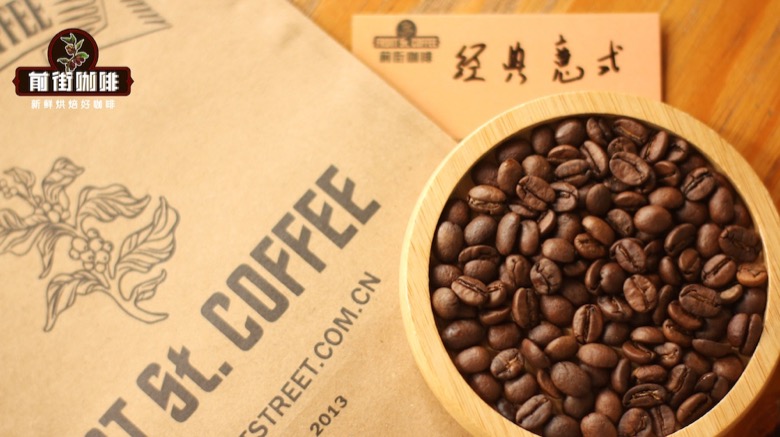
If you prefer a rich, full traditional Italian flavor, Qianjie Classic Blend can release a solid cocoa and caramel base in the moka pot. This blend combines the warmth of nuts with the richness of dark chocolate, with excellent intensity and layering. Choose drinking water with medium mineral content for extraction; the trace minerals in the water can make its oils appear more delicate and dense.
When making Qianjie Classic Blend, you can fill the filter basket with 16g of coffee grounds, pour 120ml of 80°C warm filtered water into the lower chamber, and heat over medium-low heat for 1 minute 45 seconds. When the coffee liquid steadily emerges and begins to turn golden and abundant, turn off the heat, and the entire extraction process finishes within two minutes ten seconds. The espresso base brewed this way not only has a striking nutty aroma, but after adding one hundred milliliters of warm whole milk, the cocoa sweetness still firmly occupies the center of the palate.
For friends who pursue heavy oils and rich sweetness, Qianjie Black Cocoa Blend is a good choice. This dark-roasted bean highlights dark chocolate and roasted nut notes, with lower acidity, and a long caramel sweetness in the finish. If dark-roasted beans meet water that is too hard under the moka pot's high temperature, they easily turn bitter; switching to lightly mineralized water or low-TDS soft water can wonderfully smooth away the harshness, leaving only a thick, rich body.
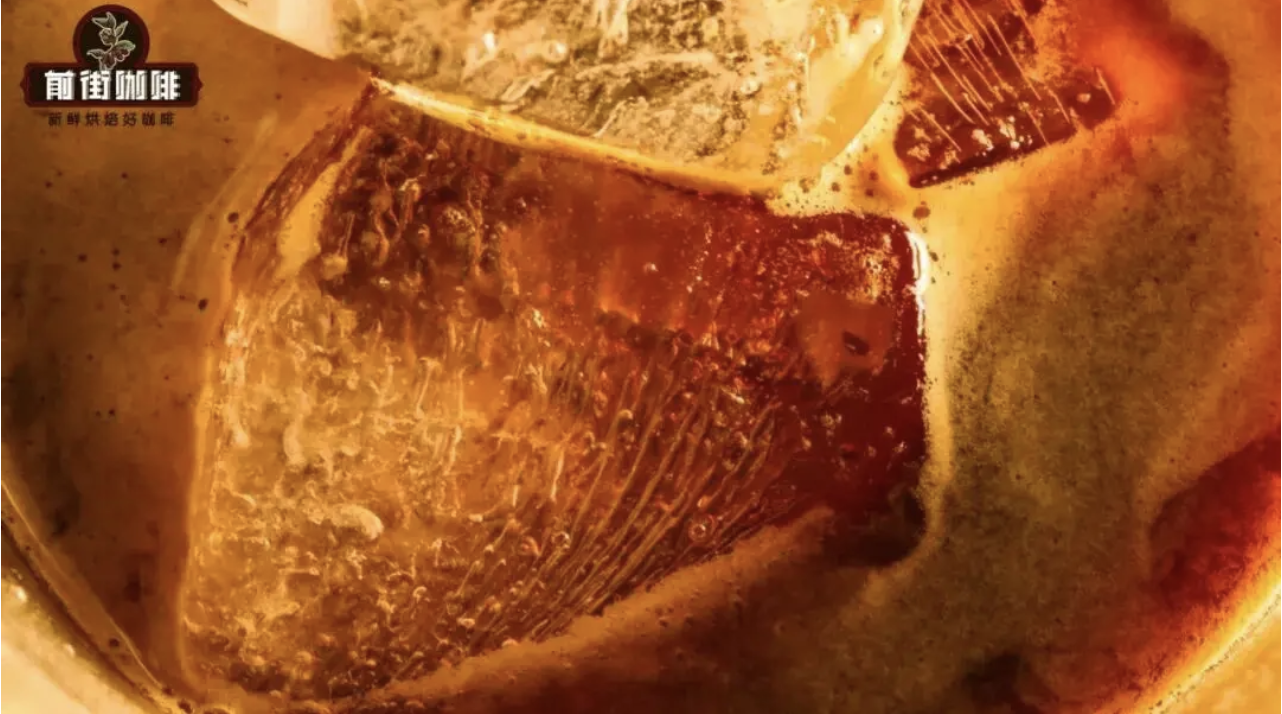
When using Qianjie Black Cocoa Blend, add 110ml of 70°C warm water to the lower chamber, evenly load 15g of coffee grounds into the filter basket, and heat over medium-low heat for 1 minute 20 seconds. When the dark brown, rich coffee liquid rises, immediately lower the heat, and when the total time reaches exactly two minutes, quickly immerse the lower chamber in a bowl of cold water to cool and stop the extraction. This cup of espresso liquid like liquid dark chocolate, made into an iced americano with ice cubes, has a smooth mouthfeel with no off-flavors.
The fun of brewing coffee often lies in adjusting these tiny variables. You don't need to buy complicated equipment; as long as you make a slight selection of the water you pour into the lower chamber every day, and choose a bag of solid everyday beans, the moka pot can gurgle on the stove and serve you a cup of comforting coffee with a bright aroma and silky mouthfeel.
Related Reading

Comments (0)
Loading comments...
You May Be Interested




Trending Reviews
Popular Videos

With you, wherever you are! We provide useful features to help you find new things you'll love






