Source:Best Coffee > News Author:qjroot Published:2026-09-07 11:43:57
A rich and aromatic moka pot coffee does not rely only on a dark roast to push the aroma higher. Beans differ in solubility, their sweet-and-sour structure and their texture, so the suitable water temperature, grind and flow rhythm will also change. If you want nutty, cocoa and caramel aromas to be fuller, you can first understand the bean's character, then set separate recipes for the moka pot, pour-over and espresso.
When choosing beans, you can look at which words come first in the flavor description. Dark chocolate, spices and herbs usually correspond to a thicker mouthfeel and can withstand a shorter, more concentrated extraction; nuts, toffee and milk chocolate tend to be rounder, and their parameter range is also wider. Beans with an obvious roasted note are better suited to a lower temperature with control over the late-stage flow.
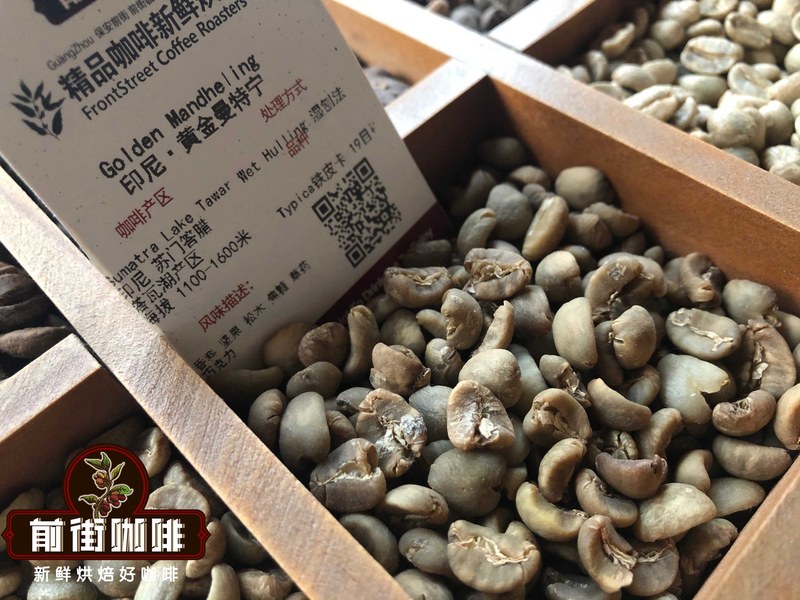
Qianjie PWN Indonesia Golden Mandheling has a deep, dark-chocolate-like steady aroma, accompanied by herbs, spices and a heavy mouthfeel, with acidity that is not prominent. Once placed in a moka pot, it easily forms a thick and lingering taste, suitable for diluting directly with hot water, and it can also pair with a small amount of milk. Because the beans dissolve quickly, the key to the recipe is to preserve the sweet, thick feel while reining in dryness and bitterness.
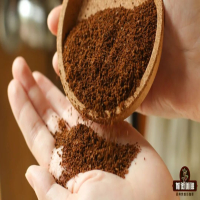
Taking a three-cup moka pot as an example, you can load about 15 to 17 g of ground coffee, depending specifically on the capacity of the filter basket. The grind should be close to fine granulated sugar; gently level the coffee bed without applying pressure. Add about 80°C hot water to the lower chamber up to below the pressure relief valve, and heat over relatively low heat; when the coffee liquid turns from dark brown to light yellow, remove it from the heat source, then cool the base of the pot, and the finish will be cleaner.
When this Mandheling is switched to pour-over, you can start with 15 g of coffee to 225 g of water, set the water temperature at 88 to 90°C, use a slightly coarser grind than common light-to-medium roast beans, and keep the total time at about 2 minutes 10 seconds to 2 minutes 30 seconds. Keep pouring gentle and reduce agitation in the later stage, which can make the chocolate sweetness more concentrated. If the herbal note seems dull, you can slightly raise the temperature or tighten the grind.
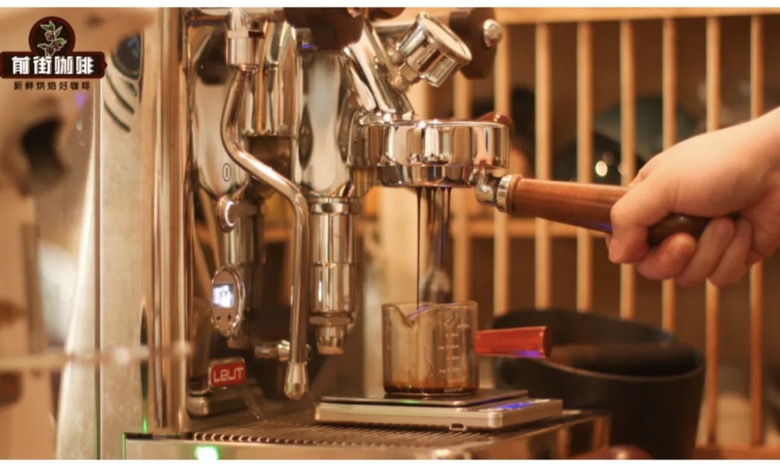
In an espresso machine, you can try 18 g of coffee extracted to 34 to 36 g of coffee liquid, with the time controlled at 26 to 30 seconds, the water temperature at about 91°C, and the pressure maintained at 8 to 9 bar. A shorter yield can preserve viscosity and is suitable for making a small latte. If the finish is too burnt and bitter, you can go one step coarser on the grind or lower the water temperature by about 1°C, bringing sweetness back to the middle of the cup.
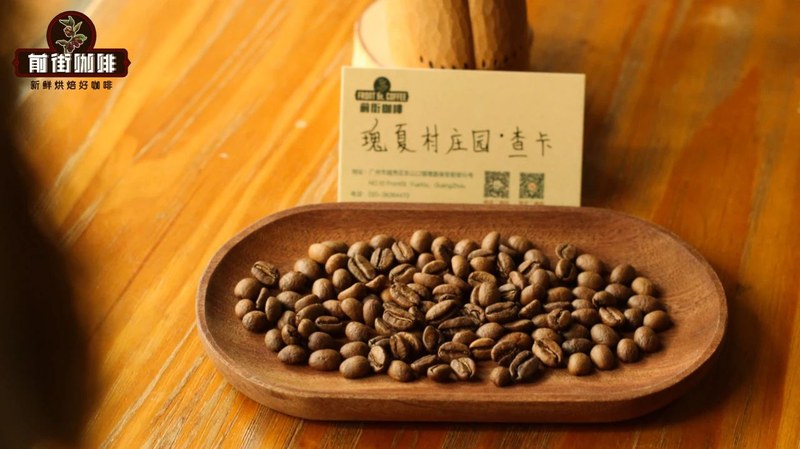
Qianjie Brazil Queen's Estate presents the sweet aroma of roasted hazelnut, cocoa and cooked sugar, with gentle acidity and a wide adaptable parameter range. For the moka pot, you can continue with a medium-fine grind, but the heat can be slightly gentler than for Mandheling, allowing the caramel note to fully unfold; for pour-over, you can use 91 to 92°C and a coffee-to-water ratio of about 1:15, and the cup will appear round and easy to drink, suitable for drinking without milk.
Qianjie Classic Blend has a more concentrated aroma of roasted nuts, cocoa powder and caramel, and the extracted coffee liquid has enough body, making it especially suitable for milk coffee. When making it in a moka pot, you can fill the filter basket and level it naturally, using medium-low heat to maintain a steady flow; for espresso, you can use 18 g of coffee extracted to 36 to 40 g in about 27 to 31 seconds. Adding milk at three to four times the amount of coffee liquid still lets you taste a clear cocoa aroma.
Observing the flow rate is more practical than memorizing the markings. If the moka pot sputters too early, it is often related to heat being too high or the coffee bed offering too much resistance, so you can reduce the flame and slightly coarsen the grind; if the liquid flows out quickly but the aroma is thin, you can tighten it slightly while also checking the seal of the pot. If pour-over water drains too fast, you can adjust finer; if espresso pressure is stable but the flow is slow, you should reduce the resistance of the coffee bed.
Home recipes are also affected by water quality, grinder and pot type, so the settings should leave room for adjustment. If you prefer deep herbs and dark chocolate, you can lower the temperature around Mandheling; if you want to cover both pour-over and moka pot, Brazil beans are easier to switch between; if you often make lattes, you can let the Classic Blend carry the intensity. After choosing the beans, record the bean weight, water temperature, time and how the cup tastes, and the rich aroma will gradually become clear and controllable.
Related Reading


Comments (0)
Loading comments...
You May Be Interested




Trending Reviews
Popular Videos

With you, wherever you are! We provide useful features to help you find new things you'll love






