Source:Best Coffee > News Author:qjroot Published:2024-11-10 18:43:38
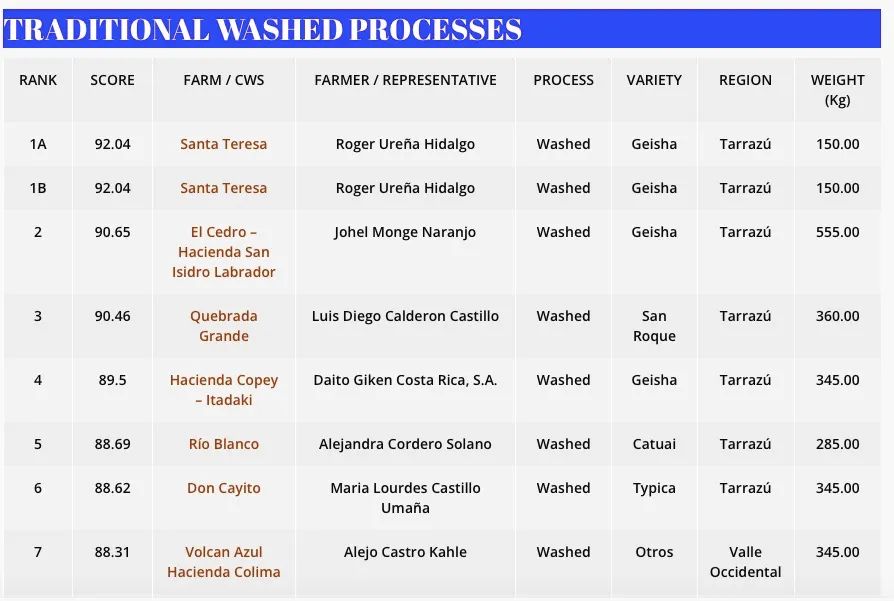
Coffee produced in Tarrazu is highly regarded for its quality, and it is extremely famous in specialty coffee; it has become one of the most famous and finest coffee-producing regions in Costa Rica, appearing year after year on the winners' list of the Costa Rica Cup of Excellence (COE). In this year's COE list, 22 of the 30 coffees came from the Tarrazu region. What makes the Tarrazu area so special?
First, Costa Rica was the first country in Central America to grow and export coffee; it began growing coffee in the early 18th century, and by the early 19thcentury it had begun exporting coffee. The country is naturally endowed with an environment suitable for growing coffee, and it places great importance on the coffee industry, constantly working to produce high-quality coffee, and it has even issued a ban prohibiting the production of any coffee varieties other than Arabica.
Coffee cultivation is mainly concentrated in the mountains of central Costa Rica, divided into eight major coffee-producing regions, of which the best known is Tarrazu; Tarrazu is one of the largest coffee-producing regions and one of those with the highest growing altitudes.
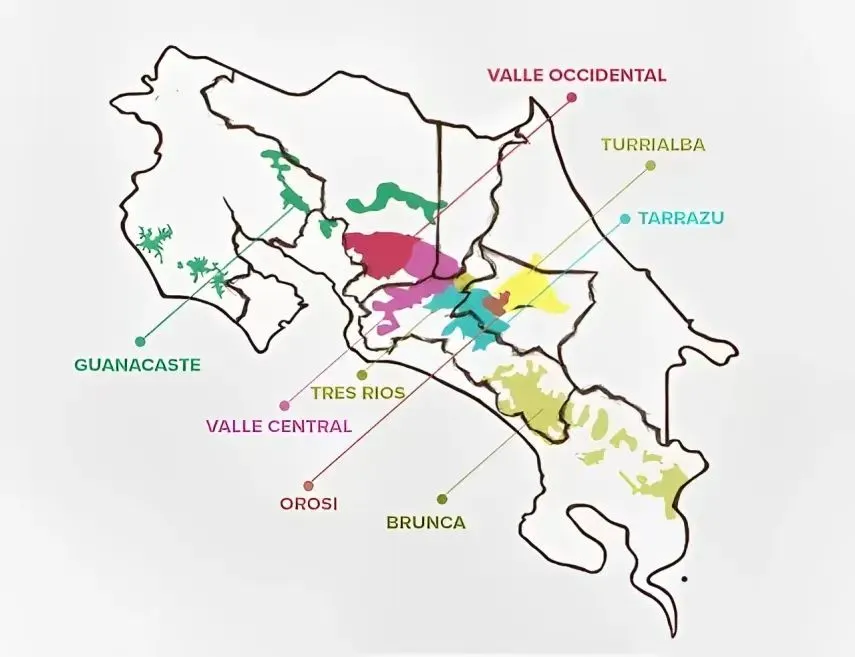
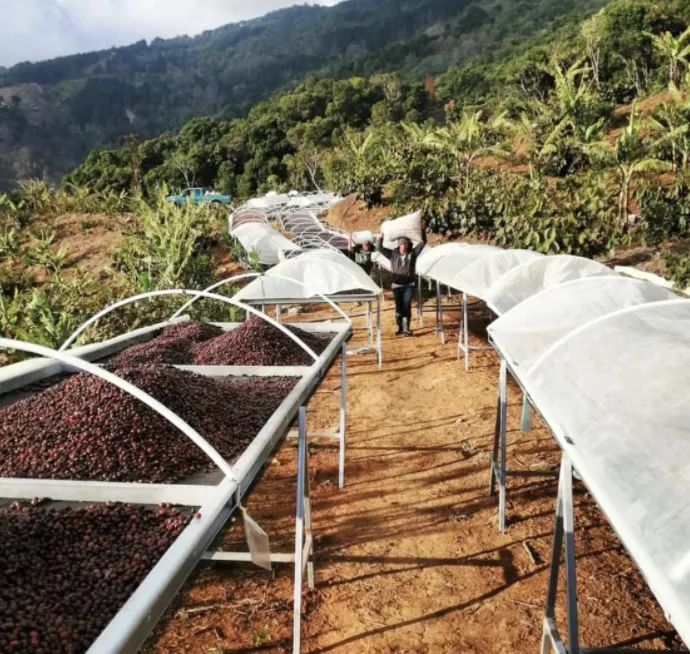
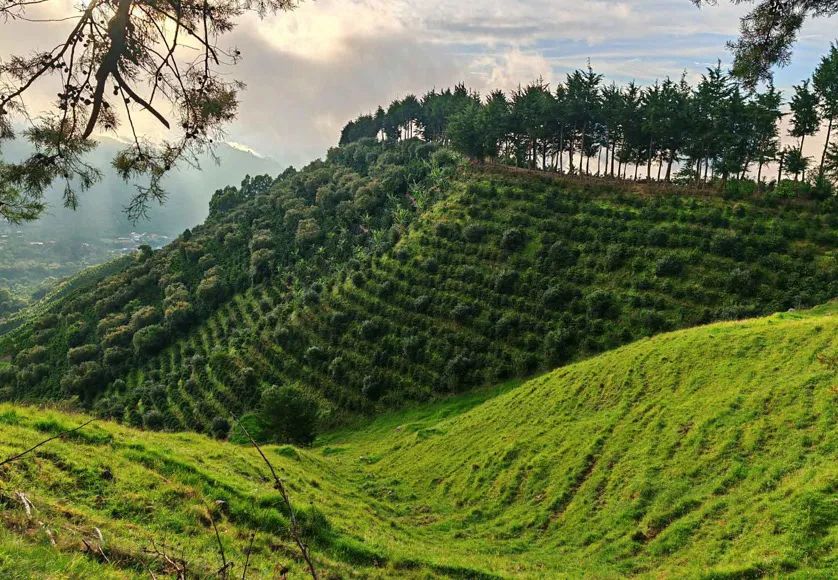
Tarrazu is located in the southeastern part of the province of San Jose, the country's capital, and is surrounded by several volcanoes and a national forest park; at the same time, it is affected by the climate-regulating effects of the Pacific and Atlantic ocean currents and sea breezes, which make the climate cool, with an average temperature of 19°C. The coffee grows in the mountains at an altitude of 1500-2100 m, and no pesticides or artificial fertilizers are used, providing an exceptionally favorable growing environment for coffee.
Thanks to the country's early development of the coffee industry, over the years the coffee farmers have gained rich growing experience as well as ample funds; it could be said to have the right timing, the right conditions and the right people. These conditions have allowed the coffee industry in the Tarrazu region to form a virtuous cycle, keeping its coffee quality at a relatively high level. Therefore, the coffee produced is mild in flavor, high in acidity, aromatic and full-bodied, and drinks extremely balanced, making it very popular.
Currently, within the Tarrazu region there are also quite a few well-known sub-regions, such as Los Santos, Dota and others. There are also many well-known coffee estates, such as Mirazu, Hacienda San Isidro Labrador and others.
Because Tarrazu has a relatively big reputation, there were once many coffee producers who misappropriated the name "Tarrazu" to obtain higher profits. To prevent this situation, in 2019 the Costa Rican government registered the coffee designation of origin name "Cafe de Tarrazu" with the EU and the World Intellectual Property Organization (WIPO), with the aim of protecting this one-of-a-kind Tarrazu region and Tarrazu coffee in the world.
Of the coffee beans produced in the Tarrazu region, 95% are Strictly Hard Bean (SHB). SHB is Costa Rica's grading system for coffee; like most Central American coffee-producing countries, Costa Rica divides grades by the altitude at which the coffee is grown. Costa Rica holds that the higher the altitude, the lower the temperature, so the coffee cherries take longer to ripen, causing more sugars to accumulate in the coffee, giving it a richer flavor and better density and hardness.
It is mainly divided into three grades: SHB, GHB and MHB. SHB (STRICTLY HARD BEAN) is green coffee produced at a growing altitude of 1200 m or above. GHB (GOOD HARD BEAN) is grown at an altitude between 1000-1200 m. MHB (MEDIUM HARD BEAN) is coffee beans grown at an altitude below 1000 m.
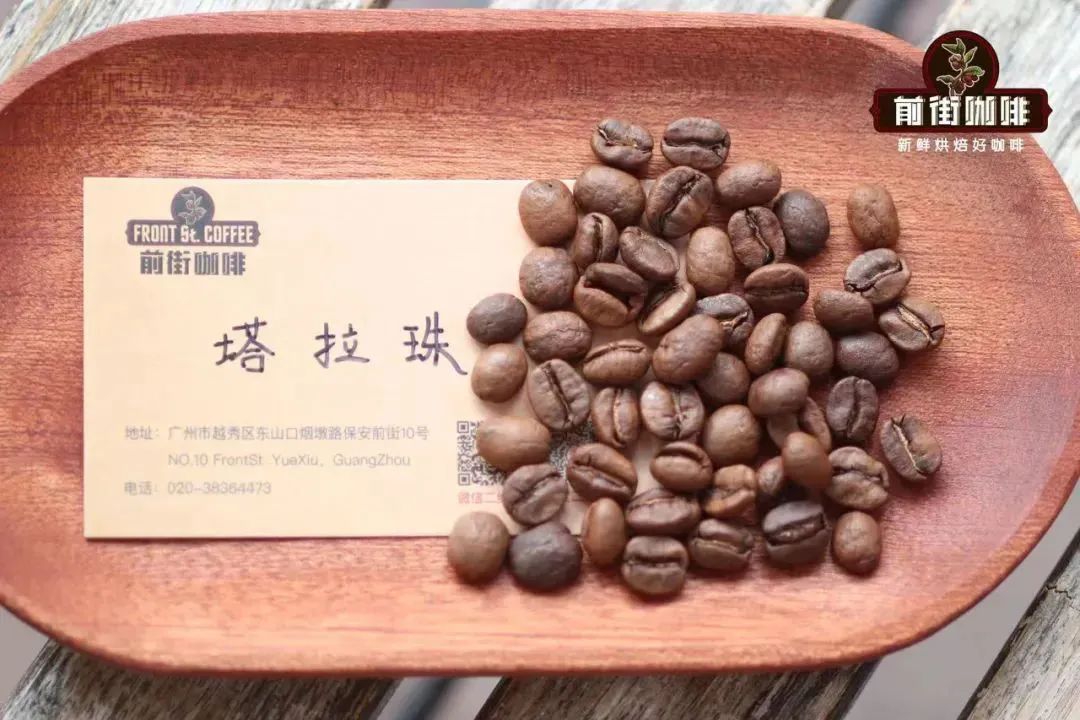
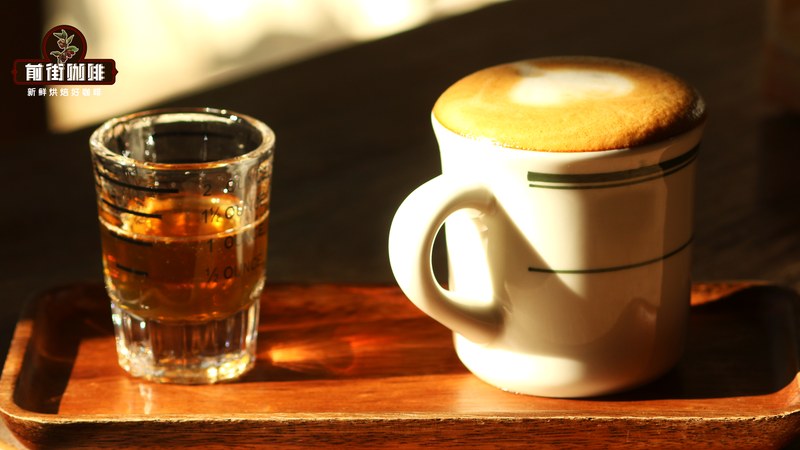
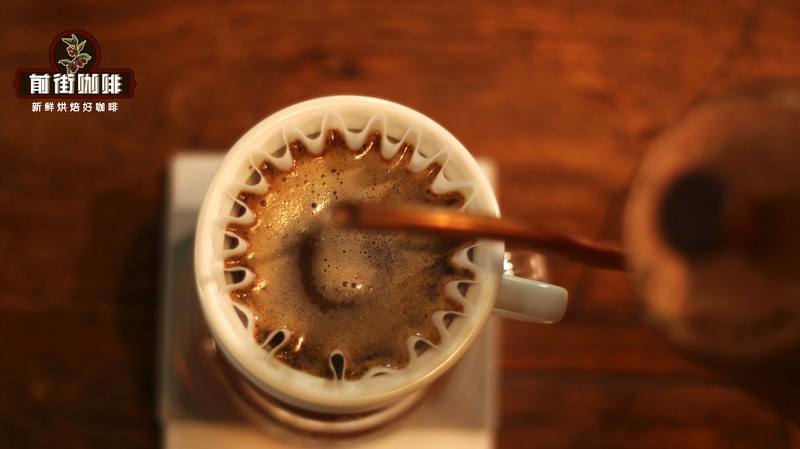
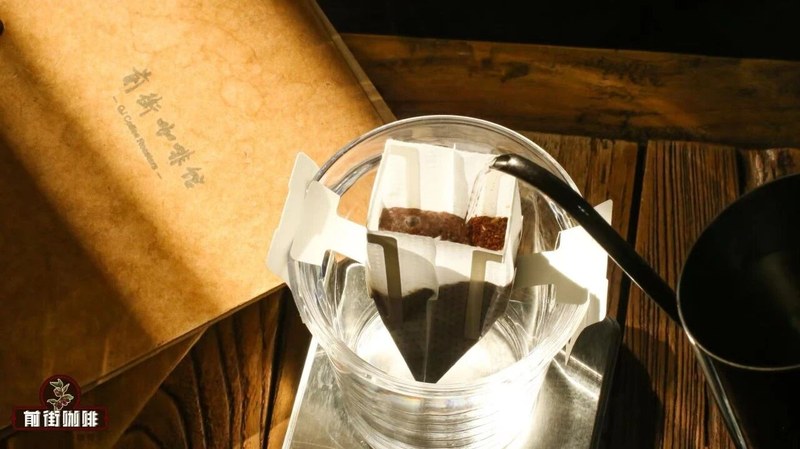
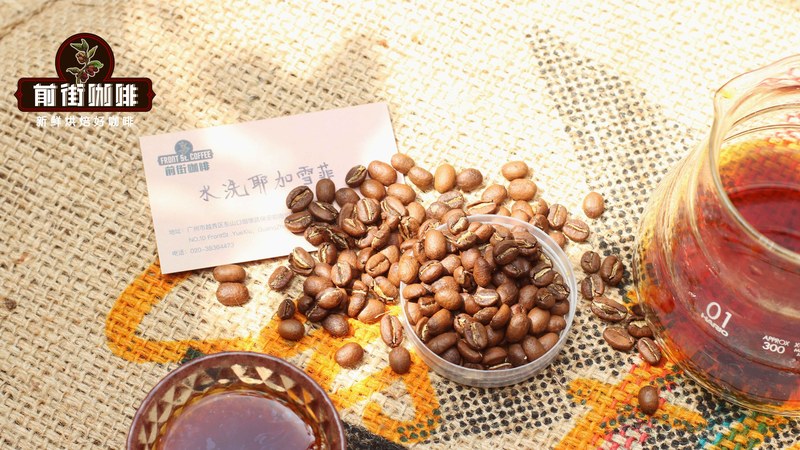
At FrontStreet Coffee, there are currently 5 coffees from Costa Rica, all from the Tarrazu region. The entry-level selection series uses beans from the Tarrazu region, featuring the common Costa Rican varieties Caturra and Catuai. After brewing, they carry flavors of sweet orange, chocolate and nuts, with an overall balance and a lasting sweet finish.
To learn more about coffee origins and news, please scan the QR code to follow: Kaping
Long-press the QR code to follow:

Related Reading
Comments (0)
Loading comments...
You May Be Interested

Trending Reviews
Popular Videos

With you, wherever you are! We provide useful features to help you find new things you'll love






