Source:Best Coffee > News Author:qjroot Published:2024-11-16 18:40:34
In Ethiopia, coffee cultivation can be divided into 3 models: garden cultivation, estate cultivation and forest cultivation. Garden cultivation means that coffee farmers plant coffee trees in their own backyards, or mix them with other crops in farmland, and finally deliver them uniformly to a nearby processing station or cooperative for processing and export. These methods are the most common in Ethiopia, accounting for half of the country's total coffee production.
Estate cultivation is like Gesha Village Estate: the estate covers a relatively large area and has its own processing plant and laboratory, but this model is relatively rare in Ethiopia, where only about 10% are coffee estates.
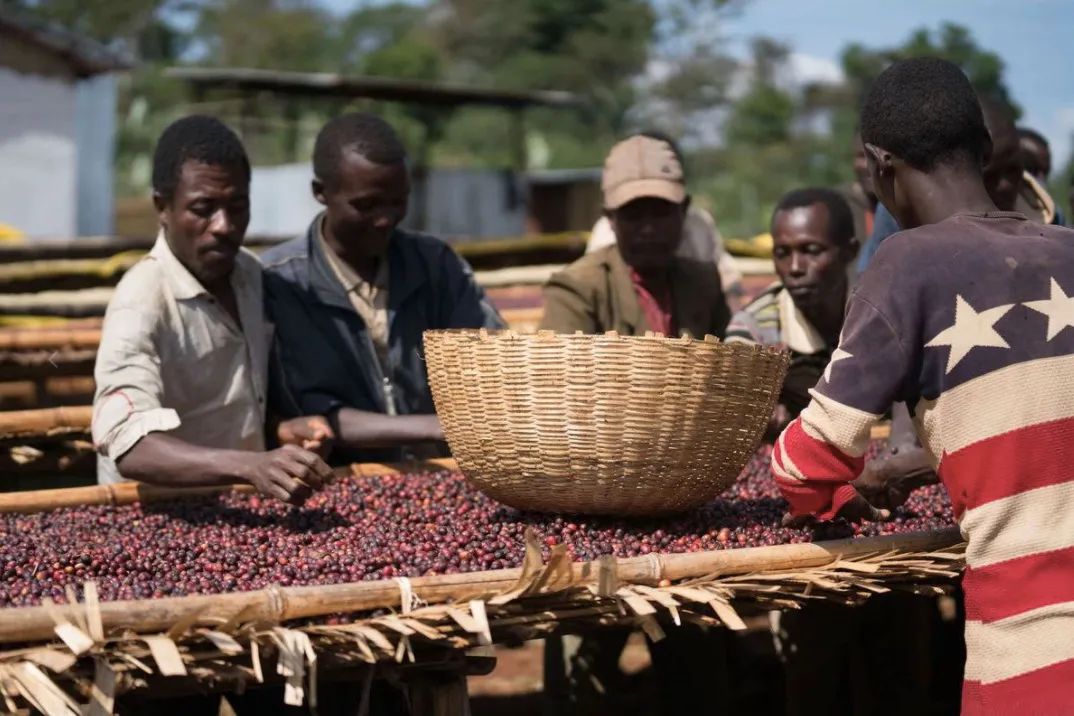
Another thing that is most distinctive in Ethiopia is the forest planting model, which is mainly found in the Kaffa Zone in southwestern Ethiopia, which is also where coffee was first discovered, the birthplace of coffee. Countless wild Arabica coffee mother trees still grow in the local Kaffa forest and are protected.
According to historical records, the reason the region is called Kaffa comes from an ancient kingdom in history, the Kingdom of Kaffa. This kingdom was annexed by the Ethiopian Empire at the end of the 19th century and became part of Ethiopia.
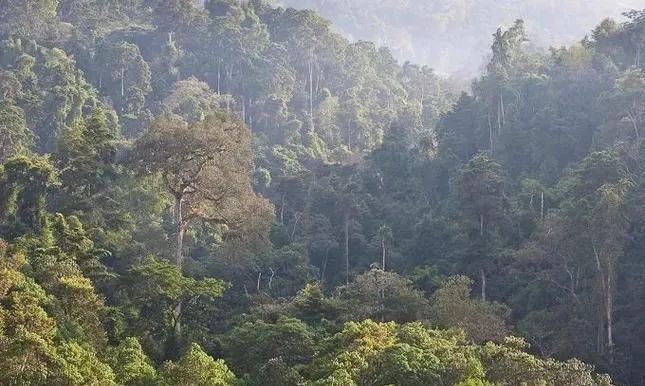
But when coffee was still not systematically cultivated at the earliest times, coffee trees grew wild in the wild in southern Ethiopia and formed a dense rainforest. However, due to land development, deforestation and other activities, this forest has been damaged. According to data from the Food and Agriculture Organization of the United Nations (FAO), between 1988 and 2008, the exploitation rate of the Kafa forest reached as high as 11000 hectares/year.
Therefore, the government divided the area into the Kafa Biosphere Reserve, and it is surrounded by several national parks. To its west is the Gesha National Forest Reserve, and the famous Gesha variety in Panama comes from here.
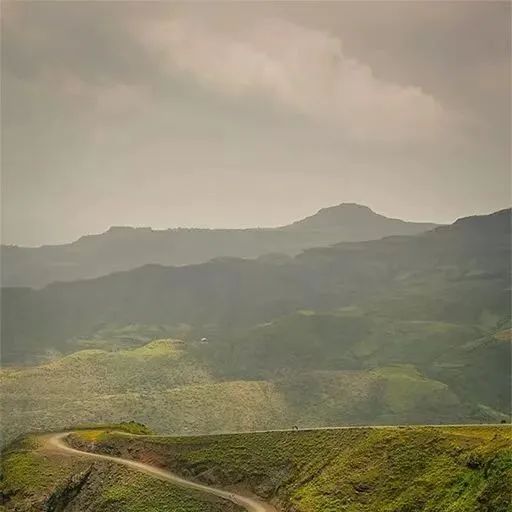
The Kafa Biosphere Reserve covers about 760,144 hectares, of which the forest area is 422,260 hectares, with forest cover reaching more than 50%. At first glance, the Kafa forest is not very different from an ordinary tropical rainforest: both are pristine, with red soil, abundant rainfall, and rich vegetation and wildlife. The difference is that the Kafa forest is largely made up of coffee trees, with coffee trees growing in areas at altitudes of 1400-2100 m.
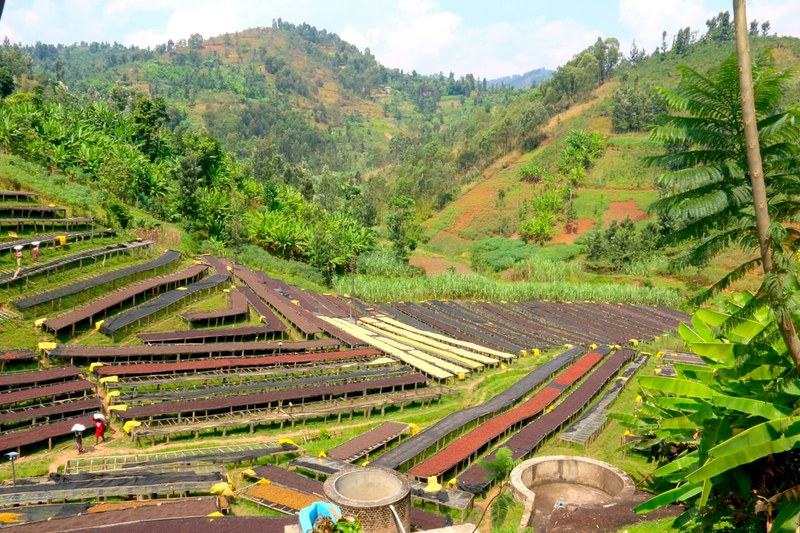
Coffee plants reproduce naturally as their seeds fall on their own, or are carried by animals and birds to other parts of the forest. At present, the Kafa forest has already produced about 5,000 coffee tree species, making it the richest gene pool of Arabica coffee varieties.At present, about 30 coffee production cooperatives have been established around the Kafa Reserve, where farmers harvest coffee berries from the forest when the coffee is ripe, process them and then sell them.

Best Coffee has also got hold of a coffee bean from the Kafa Forest, washed processed, light-medium roasted. Once brewed it has a faint floral aroma, and on the palate a bright citric acidity with sweet orange and bergamot notes, a nutty sweetness in the finish, and a mouthfeel like green tea.
To learn more about coffee origins and news, please scan the QR code to follow: Kaping
Long-press the QR code to follow:

Related Reading




Comments (0)
Loading comments...
You May Be Interested



Trending Reviews
Popular Videos

With you, wherever you are! We provide useful features to help you find new things you'll love






