Source:Best Coffee > News Author:qjroot Published:2026-09-03 18:56:10
The aroma of light-roasted beans often needs the right extraction conditions to unfold, and different brewers call for different starting parameters. Pour-over drippers emphasize clarity and layering, espresso machines require higher concentration, and cold brew and ice drip rely on time to trade for a softer mouthfeel. When choosing beans, you can factor in the pressure, contact time and cup concentration of the equipment you use most at home, then see whether the bean's flavor expression matches.
When using a V60, cake cup or similar dripper, you can start with a coffee-to-water ratio of about 1:15, for example 15 g of coffee grounds to 225 g of water. For light-roasted beans, grind can fall in the medium-fine range, water temperature around 92 to 96°C, pour in two to three stages, and keep the total time between two and a half and three minutes. To make floral and fruity notes more prominent, raise the water temperature or grind finer; if the finish turns astringent, reduce stirring and circling.
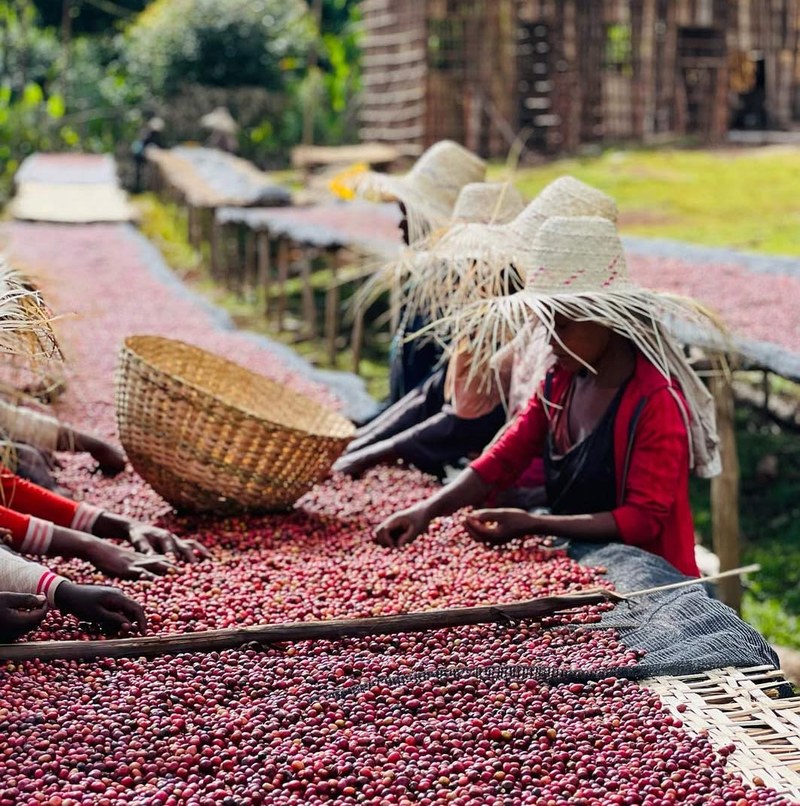
Best Coffee Kafa Forest is well suited to practicing dripper parameters. It has a bright orange-like entry, a sweet ripe apricot and peach note in the middle, and once cooled it approaches the sweet aftertaste of oolong tea. With 15 g of grounds and 240 g of water, you can use a slightly higher water temperature and slower pouring to let the sweetness settle gradually; if you prefer a light and refreshing cup, increase the water a little and keep the grind medium.
For immersion-style brewers like the Clever Cup and French press, water and coffee grounds make fuller contact, so light-roasted beans do not need to be ground very fine from the start. You can try a coffee-to-water ratio of about 1:16, keep the water temperature around 93°C, steep for three to four minutes, then separate the coffee liquid. If the cup shows too much dryness and astringency, shorten the steep; if the aroma seems closed in, extend it by half a minute, or adjust the grind one step finer.
To make espresso with light-roasted beans, pay attention to how dose, liquid weight and flow rate work together. A home espresso machine can start with 18 g of grounds extracting 36 to 40 g of coffee liquid, with a target time of about 27 to 33 seconds and a water temperature of about 92 to 94°C. Light-roasted beans usually need a finer grind and full pre-infusion so the fruity notes and sweetness make it into the cup; if the liquid flows too fast, adjust the grind finer first rather than immediately increasing the dose.
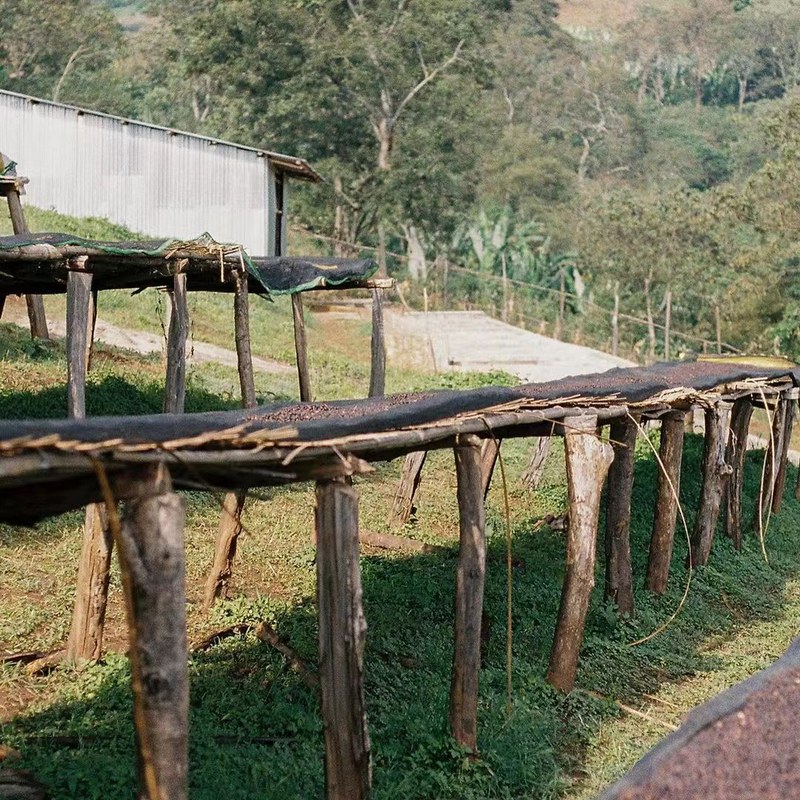
Best Coffee Granja Estate Geisha's floral notes and jam-like sweet fragrance become more concentrated in an espresso machine. Used for a short espresso, its orange blossom note and guava, apricot and peach character become more vivid; adding a small amount of hot water stretches the aroma out. If used for a milk coffee, it is best to reduce the milk ratio so the coffee liquid keeps its presence, while keeping the yield in a shorter range, so the cup feels more like a berry dessert.
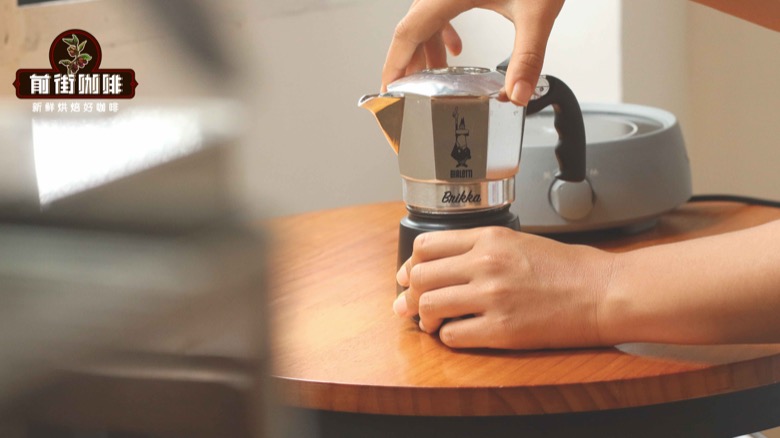
In a moka pot, water temperature, heat level and yield have an obvious effect on light-roasted beans. Fill water no higher than the safety valve, level the grounds in the basket, and use a medium-fine grind between espresso and pour-over. You can start with hot water, heat over low heat after assembling the pot, and remove it from the heat when the coffee liquid turns lighter in color and the sound becomes noticeably louder. This shortens the time at high temperature, so the sweet aroma of light-roasted beans is not buried by burnt bitterness.
For iced pour-over, parameters can be arranged around concentration and cooling speed. 15 g of grounds can pair with 180 g of hot water and 60 g of ice, with the coffee-to-water ratio calculated on the total liquid at about 1:16, and the water temperature kept at 92 to 94°C. When the hot liquid falls directly onto the ice, the aroma becomes bright and clear. Best Coffee Colombia Sidra is very suitable for this way of drinking; its passion fruit, blueberry and grape notes show a lively, juice-like quality.
An ice drip tower is better suited to light-roasted beans with vivid aroma and obvious juice-like character. The grind for the coffee bed can be slightly coarser than for pour-over, the coffee-to-water ratio starts at 1:10, the drip rate is about one drop every ten seconds, and the completion time is kept between six and eight hours, then diluted with water to taste according to concentration. When Best Coffee Colombia Sidra is used for ice drip, the fruity aroma becomes smooth and soft, and the apricot-like sweetness is easier to notice. If the flavor is too light, reduce the amount of dilution water rather than simply extending the drip time.
A cold brew pitcher suits people who want coffee prepared ahead of time. For light-roasted beans you can use a coffee-to-water ratio of 1:12, a grind close to coarse sugar, and steep in the refrigerator for ten to twelve hours before filtering. With a shorter time, the cup is more refreshing; beyond fourteen hours, the body increases but the aroma may seem dull. Adding ice or diluting with a little water before drinking opens up the floral and fruity character, making it suitable for a refreshing Americano.
Choosing light-roasted beans does not require owning every piece of equipment; just set parameters according to the device you use most at home. Dripper enthusiasts can focus on aroma and the sweetness after cooling, espresso machine users should look at the weight and flow rate of the espresso liquid, and cold brew and ice drip suit beans with clear fruity notes that still perform well at low temperatures. After buying beans, record the dose, water temperature, grind and time, and after a few adjustments you will find your own stable way of brewing.
Related Reading
Comments (0)
Loading comments...
You May Be Interested

Trending Reviews
Popular Videos

With you, wherever you are! We provide useful features to help you find new things you'll love






