Source:Best Coffee > News Author:qjroot Published:2026-10-08 14:54:55
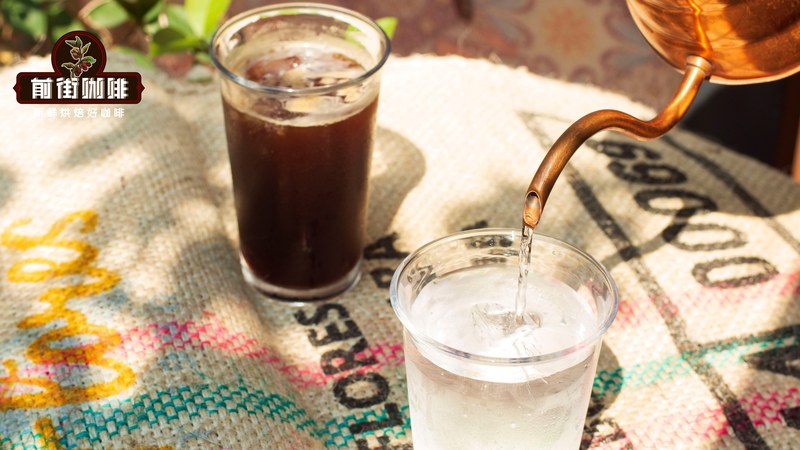
Once summer arrives, iced coffee becomes a regular in the fridge. But have you noticed that as long as the word "cold brew" appears on the menu, the price is often noticeably higher than ordinary iced coffee? This isn't because a nice name justifies charging more, but because cold brew coffee quietly consumes time and patience at every step from production to the first sip. It relies on cold water from melting ice dripping through the coffee grounds one drop at a time, with the flow rate controlled entirely by a valve, and the whole process takes 4 to 8 hours. Think about it: if extraction starts at 9 AM, the liquid may not be collected until 3 PM, and throughout you have to check the ice status and drip rate from time to time. The cost of this slow, careful work naturally has to be reflected in the cup.
Low-temperature extraction is the soul of cold brew. Unlike hot pour-over, which uses 92°C to 93°C water to instantly awaken the coffee grounds, cold brew stays in a low-temperature environment the entire time, which lets the flavor compounds in the coffee release especially gently. Large-molecule bitter compounds are rather "lazy" at low temperatures and are unwilling to come out and act, while the acids and sweetness of small and medium molecules can be fully drawn out. The result is a cup of sweet, soft, layered liquid that has almost no sharp, pungent sensation when you drink it, and instead feels like holding a piece of fruit candy slowly melting in your mouth. This flavor direction is also the essential difference between cold brew and ordinary iced pour-over - the latter is simply hot coffee cooled with ice, while the former undergoes its transformation in low temperature from beginning to end. The filtered cold brew coffee still shouldn't be drunk in a hurry. Based on practical production experience, after being sealed in a bottle and refrigerated for 24 hours to 72 hours, the flavor enters an especially charming window. Right after filtering, the taste may still be a little "raw"; after 1 day, the various flavors begin to shake hands and make peace, the sweetness becomes rounder, and the aroma becomes more concentrated. But beyond 72 hours, the aroma gradually weakens, and although the mouthfeel is still full, it lacks that refreshing vividness that catches your eye. So my habit is: mark the time on the extraction day, open the bottle and taste it on the afternoon of the 2nd day, and finish it before the evening of the 3rd day, never dragging it to the 4th day.
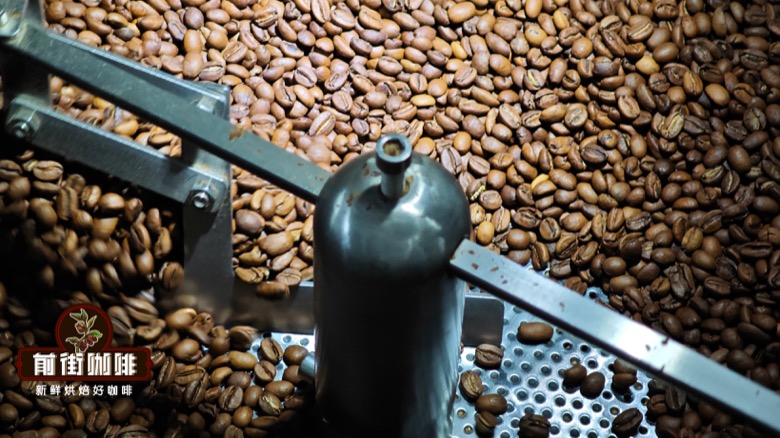
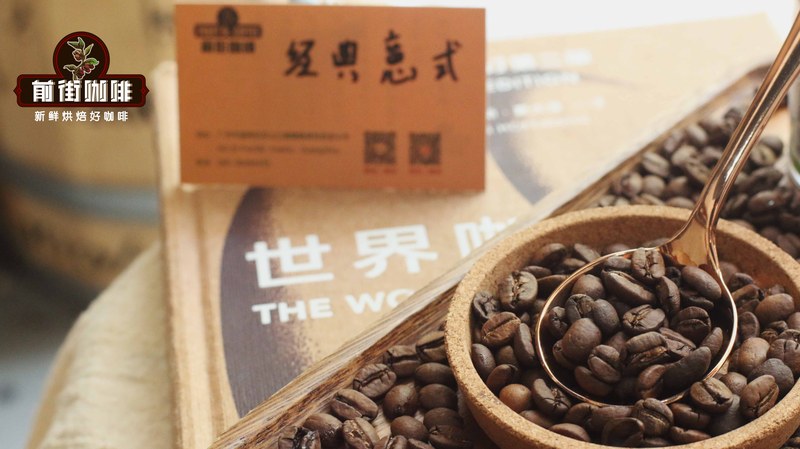
The choice of beans directly determines the success or failure of cold brew. Dark-roasted beans can show mellow sweetness in hot pour-over, but once placed in the low-temperature environment of cold brew, they easily become thin and bland, because those fascinating caramelized flavors need heat to fully unfold. Light-medium roast to medium roast beans are the comfort zone for cold brew; they retain more floral, fruity acidity and sugars, and long low-temperature extraction is exactly what can "invite" these delicate flavors out little by little. If you want to try it at home, you can choose from 2 beans: Qianjie Little Tomato and Qianjie Red Cherry, which each represent completely different flavor spectra.
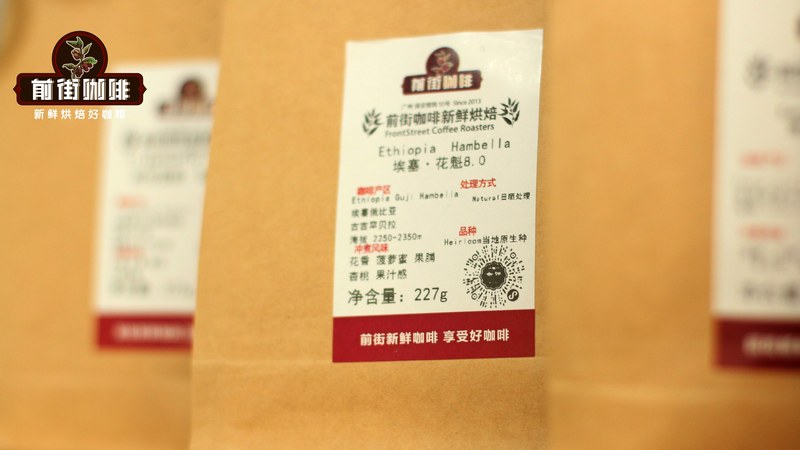
Qianjie Little Tomato comes from Kenya, double washed, light roast. Its black plum and cherry tomato flavors are very distinct, the acidity is strong and solid, the mid-palate sweetness is especially prominent, and there is a black plum-like juicy quality. When this bean is made into cold brew, that bright acidity is tamed by the low temperature into something much softer, but the fruit framework remains clear, making it suitable for people who like a refreshing taste. Qianjie Red Cherry, on the other hand, is a natural-process Ethiopian bean, light-medium roast, with obvious sweetness, overflowing floral aroma, and ripe tropical fruit flavors; after long cold brew extraction, the fermented note is naturally amplified, and drinking it is like biting into a tropical fruit platter fermented just right. This bean makes a clean yet rich cold brew, especially suitable for summer.
The filtered cold brew coffee still shouldn't be drunk in a hurry. Based on practical production experience, after being sealed in a bottle and refrigerated for 24 hours to 72 hours, the flavor enters an especially charming window. Right after filtering, the taste may still be a little "raw"; after 1 day, the various flavors begin to shake hands and make peace, the sweetness becomes rounder, and the aroma becomes more concentrated. But beyond 72 hours, the aroma gradually weakens, and although the mouthfeel is still full, it lacks that refreshing vividness that catches your eye. So my habit is: mark the time on the extraction day, open the bottle and taste it on the afternoon of the 2nd day, and finish it before the evening of the 3rd day, never dragging it to the 4th day.
The choice of beans directly determines the success or failure of cold brew. Dark-roasted beans can show mellow sweetness in hot pour-over, but once placed in the low-temperature environment of cold brew, they easily become thin and bland, because those fascinating caramelized flavors need heat to fully unfold. Light-medium roast to medium roast beans are the comfort zone for cold brew; they retain more floral, fruity acidity and sugars, and long low-temperature extraction is exactly what can "invite" these delicate flavors out little by little. If you want to try it at home, you can choose from 2 beans: Qianjie Little Tomato and Qianjie Red Cherry, which each represent completely different flavor spectra.
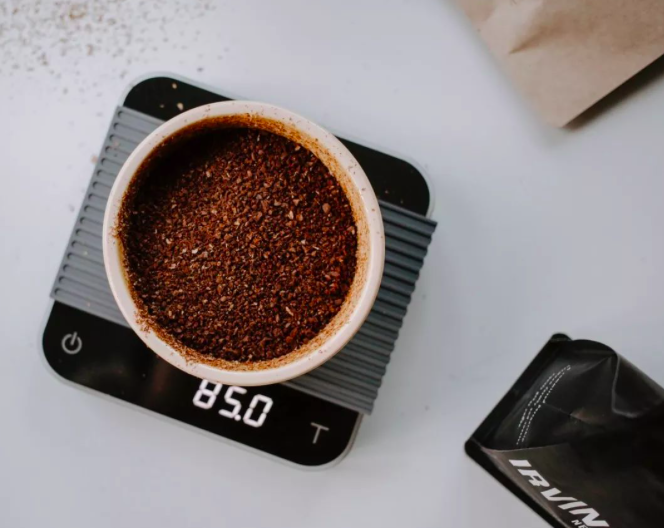
Qianjie Little Tomato comes from Kenya, double washed, light roast. Its black plum and cherry tomato flavors are very distinct, the acidity is strong and solid, the mid-palate sweetness is especially prominent, and there is a black plum-like juicy quality. When this bean is made into cold brew, that bright acidity is tamed by the low temperature into something much softer, but the fruit framework remains clear, making it suitable for people who like a refreshing taste. Qianjie Red Cherry, on the other hand, is a natural-process Ethiopian bean, light-medium roast, with obvious sweetness, overflowing floral aroma, and ripe tropical fruit flavors; after long cold brew extraction, the fermented note is naturally amplified, and drinking it is like biting into a tropical fruit platter fermented just right. This bean makes a clean yet rich cold brew, especially suitable for summer.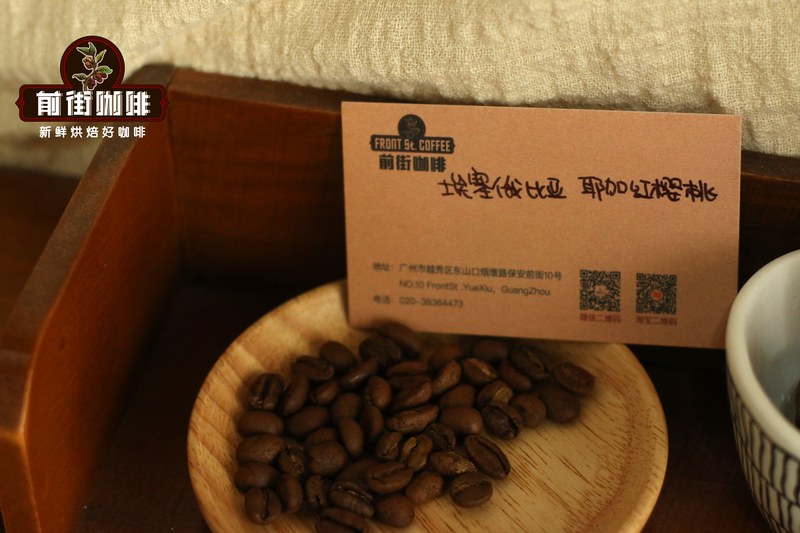 For making cold brew at home, the equipment doesn't need to be too complicated. A basic cold brew pot, an electronic scale, and a grinder are enough. The dose is generally controlled at 30 g to 40 g, the coffee-to-water ratio can reference 1 to 10 up to 1 to 12, and the amount of ice should cover the entire extraction duration. First adjust the valve to about 1 drop per second, then fine-tune after observing for 30 minutes. If you start at 8 AM, you can collect the liquid at noon at 12 PM, filter it through both filter paper and cloth, then bottle it and refrigerate. At the same time on the 2nd day, you can drink a cup of cold brew coffee settled by time. This sense of ritual from waiting with your own hands may also be another kind of preciousness beyond its price.
Related Reading

Comments (0)
Loading comments...
You May Be Interested


Trending Reviews
Popular Videos

With you, wherever you are! We provide useful features to help you find new things you'll love






