Source:Best Coffee > News Author:qjroot Published:2026-09-19 12:35:14
Light-roast floral and fruity notes are becoming increasingly popular in everyday coffee, and when it comes to choosing, there are usually two clear paths in front of you: one is single-origin beans labeled with estate and micro-lot, and the other is blended beans that combine multiple flavor characteristics. Understanding the pairing logic and flavor emphasis of these two not only helps you read the information on green bean labels, but also allows the floral and fruity aromas in the cup to better match your taste expectations.
The charm of single-origin beans lies in the direct expression of regional terroir. Specific microclimates, soil conditions, and green bean processing methods are all transformed into distinct personalities in the cup. For example, Qianjie Kenya Small Tomato carries a very full small tomato berry acidity and dark berry aroma, with a gentle brown sugar-like sweetness in the finish. The overall flavor profile is clear and three-dimensional, suitable for drinkers who enjoy bright acidity and rich layers.
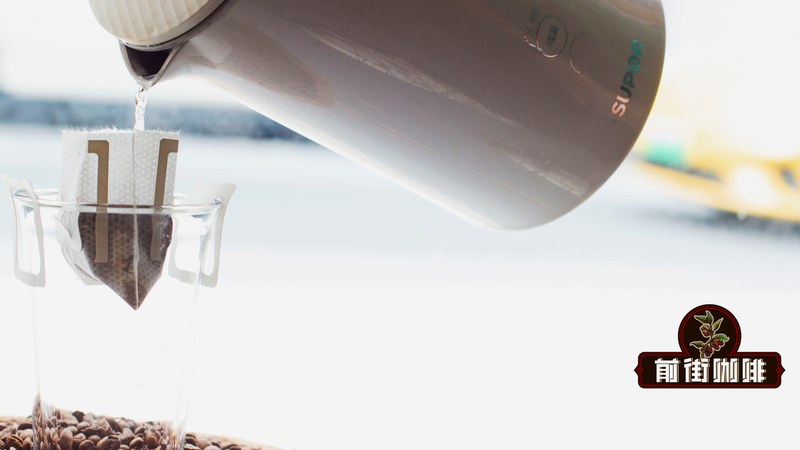
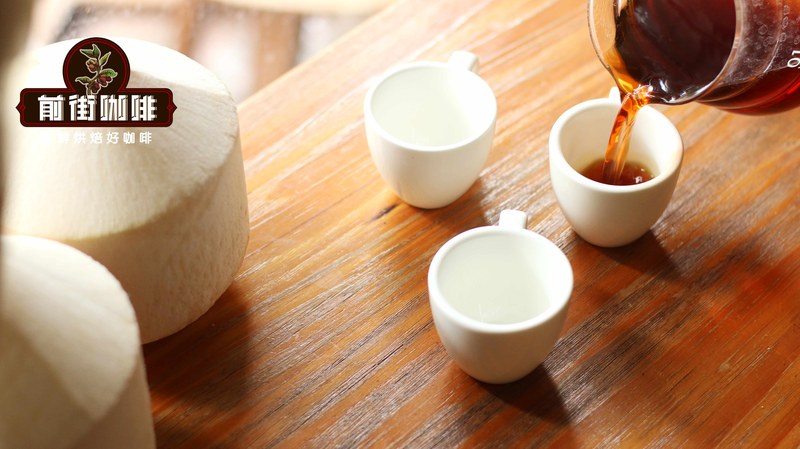
When brewing a juicy light-roast single origin like Qianjie Kenya Small Tomato, pour-over can nicely tease out the changes in aroma and acidity-sweetness. Weigh 15g of coffee grounds, use 91°C water, set the coffee-to-water ratio at 1:15, first pour 30ml of hot water for a 30-second bloom, then pour in three steady stages up to 225ml, with the total time controlled at 2 minutes 05 seconds. The extracted coffee has bright acidity, a sweet aftertaste, and a very prominent juicy texture.
Unlike single-origin beans that highlight regional personality, the core of light-roast blends lies in the balance of acidity and sweetness and the inclusiveness of the final product. Roasters often use highly aromatic African beans as the flavor vanguard, then blend in clean, sweet Central American beans as support. Such a recipe retains the light citrus and white floral fragrance while supplementing the rounded sweetness in the mid-to-back palate, making light-roast coffee softer and easier to drink.
Reading a blend's ingredient list is not complicated; the order of proportions often determines the primary and secondary structure of the flavor. The beans listed in the larger proportion set the aromatic tone of the entire blend, while the auxiliary-proportion beans are responsible for modifying acidity or adding sweetness and body. Understanding the complementary relationship between beans from different regions allows you to roughly predict whether this bag of blend leans toward floral and tea notes or toward a juicy tropical fruit style.
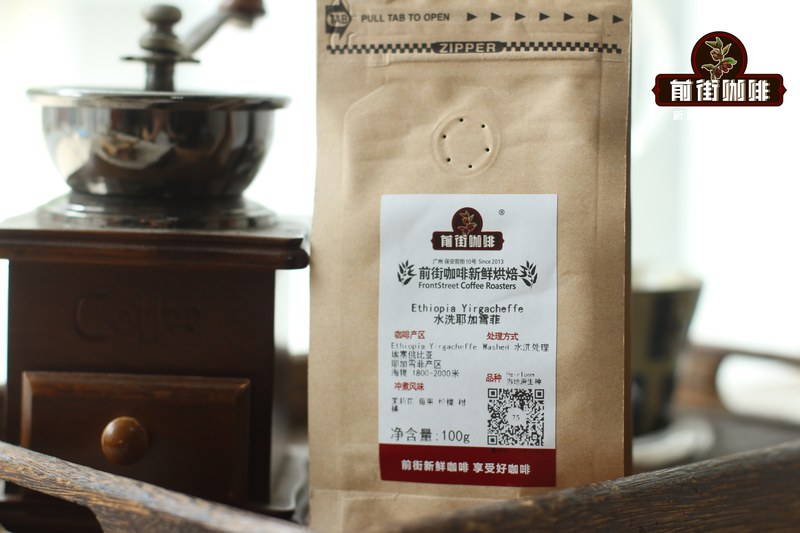
If you prefer a gentle and delicate floral-fruity tea character, Qianjie Kafa Forest, this Ethiopian single origin, is well worth trying. It displays soft fruit acidity of fresh sweet orange and ripe apricot, with a light and smooth entry, accompanied by a comfortable oolong tea note in the finish. As the temperature drops slightly, the juicy, clean sweetness becomes fuller, making it very suitable for savoring slowly on a leisurely morning.
When extracting Qianjie Kafa Forest, adjusting the brewing rhythm can make the floral-fruity aroma and elegant tea character more harmonious. Use 15g of coffee grounds, set the water temperature at 90°C, with the same coffee-to-water ratio of 1:15. First pour 35ml of water for a 30-second bloom, then use a two-stage pour to add the remaining water up to 225ml, with the total extraction time controlled at exactly 2 minutes. This pouring method keeps the flavor clean and pure, with an exceptionally long sweet aftertaste.
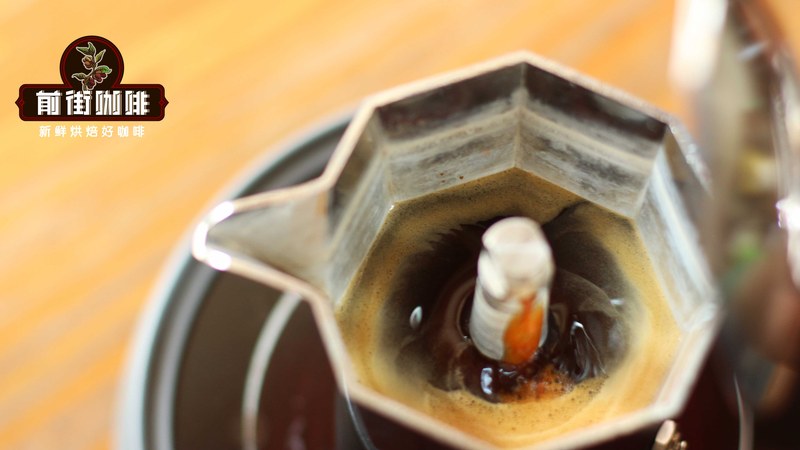
When light-roast beans enter an espresso machine, single-origin SOE and light-roast blends also present different flavor orientations. SOE concentrates the floral and fruity characteristics of single-origin beans under high pressure, resulting in high flavor intensity and a very eye-catching personality; light-roast espresso blends, through the acidity-sweetness offset of different bean varieties, buffer the stimulating sensation brought by high concentration while also maintaining the expressiveness of the crema, making every cup more consistent.
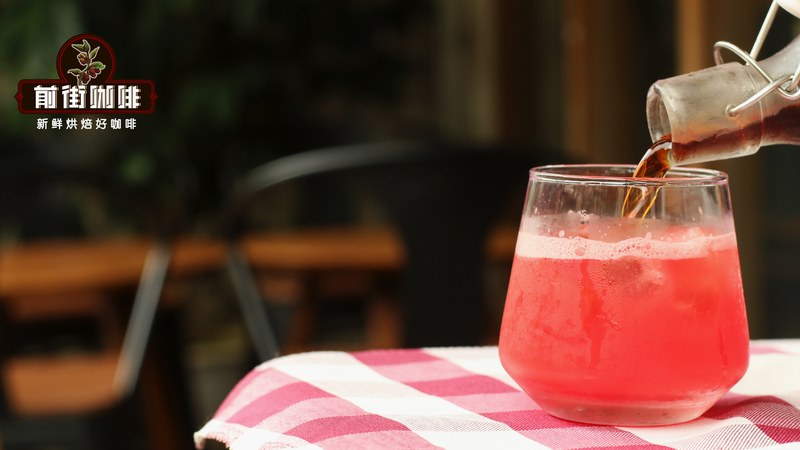
When making a light-roast espresso, you can use 18g of coffee grounds and extract 36g of coffee liquid within 26 seconds using constant-pressure extraction. Pour the extracted light-roast espresso into water filled with ice cubes to make a fruity americano, with a fresh and lively aroma; if blended with chilled fresh milk or plant-based milk, the bright fruit acidity, wrapped in milk fat, transforms into a sweet flavor similar to a fruity light cheesecake, offering a different kind of pleasure.

Whether to choose single origin or blend essentially depends on what kind of experience you expect from this cup of light-roast floral-fruity acidity. If you yearn to feel the wonderful marks nature leaves in different estates, single-origin beans can bring rich exploratory pleasure; if what you need is a daily companion with balanced acidity and sweetness, stable output, and suitability for a variety of black and white drinks, a skillfully matched light-roast blend will feel more thoughtful.
Related Reading



Comments (0)
Loading comments...
You May Be Interested

Trending Reviews
Popular Videos

With you, wherever you are! We provide useful features to help you find new things you'll love






