Source:Best Coffee > News Author:qjroot Published:2026-10-10 19:02:24
I often encounter this scene at the counter: a young person wants to bring their parents a bag of coffee beans, but can't decide which direction to choose. When elders have drunk instant coffee or teahouse tea for decades and come into contact with specialty coffee for the first time, the sentence they most easily say is "why does this taste sour?" This sourness actually comes from the acidity of the coffee beans themselves and the roasting degree. To make it comfortable for elders to drink, the core idea is to press the sourness down and bring the body up.
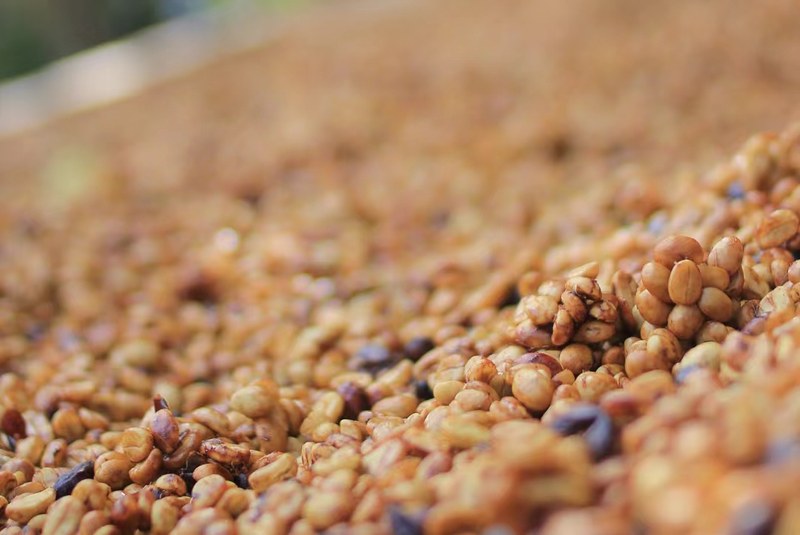
Roast level is the dimension I look at first. The darker the roast, the more easily the acidity inside the beans is covered by the caramelization reactions brought by roasting, replaced by solid flavors such as nuts, chocolate and caramel. So when choosing beans for elders, going toward medium-dark is a reliable starting point. For origin direction, avoid places known for bright acidity. Beans from origins such as Brazil, Indonesia and Yunnan are naturally lower in acidity, yet their body is very much present, and they taste plain and steady rather than jumpy. As for processing method, beans produced by washed and wet-hulled methods have high cleanliness, and the flavors are not too lively, making them easier for elders to accept.
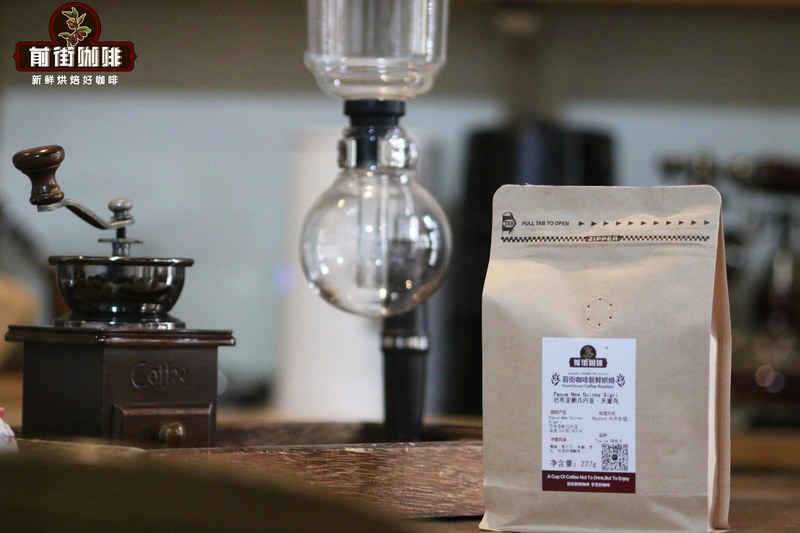
Following this line of thinking, Indonesian Mandheling is an entry direction I often recommend. Qianjie Indonesia Lintong Mandheling uses green beans from the Lintong producing area of Sumatra, with wet-hulled processing plus medium-dark roasting. It drinks with a base of black sugar and spices, while herbal and dark chocolate roasted aromas unfold layer by layer. It is mellow and rich with low acidity, especially suitable for elders accustomed to the taste of strong tea. If you want the flavor to be softer, beans from Papua New Guinea are also worth considering. Qianjie Papua New Guinea Paradise Bird has undergone triple washed processing, and under medium roasting shows the sweetness of toasted bread and nuts. The grapefruit-like fruit acidity is very soft, and the overall cup is smooth and balanced. As a hand-brewed single-origin for elders to try black coffee, it is a gentle transition.
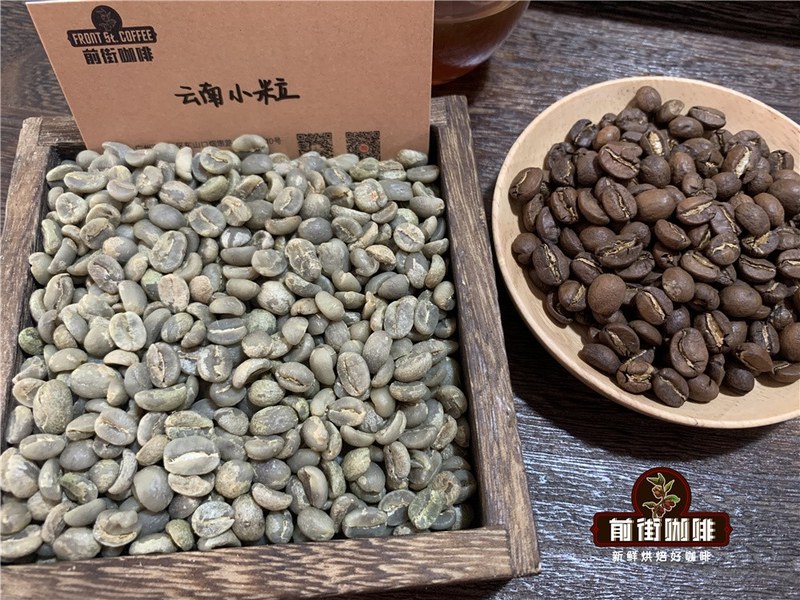
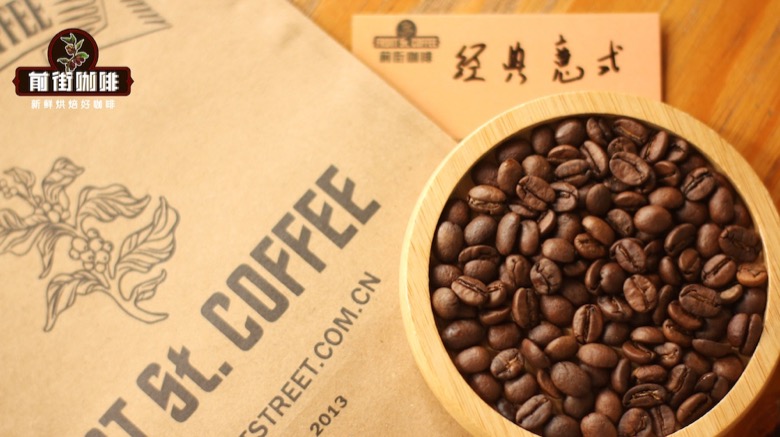
The Brazil and Yunnan directions are better suited to elders who like an everyday staple feel. Beans such as Brazil Cerrado, processed by semi-dry method, carry nut and caramel flavors and are plain and easy to drink. Qianjie 2013 Yunnan Arabica (Yunnan Lincang, Qianjie Coffee Estate, Natural Typica), after medium roasting, has dark berries and caramel as the main body, paired with a little soft fruit acidity, and is highly acceptable. For elders who make milk coffee, I would suggest looking at medium-dark roasted espresso beans or single-origin SOE. After adding milk, the sweetness becomes more obvious, and the sourness is further wrapped by the milk. Qianjie Commercial Blend is a traditional Italian-style recipe. Medium-dark roasting brings the aroma of nuts, cocoa and caramel, with rich crema and good flow. The taste is low-acid and mellow, and extraction is very stable with a moka pot or espresso machine. Qianjie Dark Cocoa Blend is a combination of washed Yunnan Arabica and semi-dry Brazil. Under medium-dark roasting it presents the flavors of creamy chocolate, cocoa cookies and ripe plum. The crema has a golden luster and the taste is balanced, suitable for elders who drink a cup of milk coffee every day.
If you want this gift to be especially recognizable, Qianjie Queen Estate SOE is the one I would single out. A Yellow Bourbon variety from a high-altitude producing area in Brazil, after medium-dark roasting it gives off the aroma of creamy peanut, nuts and chocolate, with a sweet finish and beautiful crema. Made into milk coffee, it is full of aroma and low in acidity. This bean has a strong flavor memory point, and after elders drink it they will easily remember this gesture. It is suitable for occasions where you want the other person to "think of you with one sip."
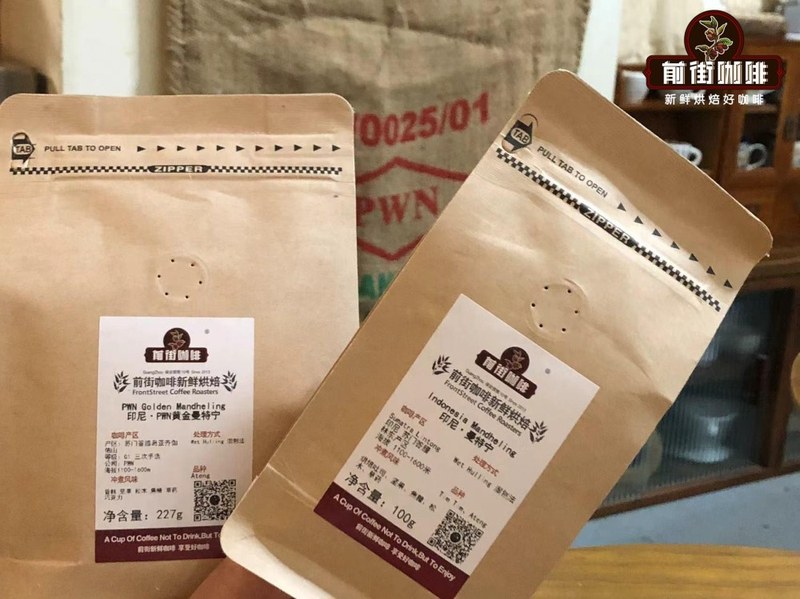
For budget, you can consider three tiers. For the everyday staple tier, directly lock onto classic low-acid options from producing areas, such as Mandheling, Brazil Cerrado and Qianjie 2013 Yunnan Arabica. These directions have stable flavors and are easy to keep drinking. For the advanced tier, you can choose single-estate lots, such as beans like Paradise Bird Estate that have clear origin information, with richer flavor layers. For the high-end tier, then look at those famous products with limited output and solid reputations, which carry more weight as a gift.
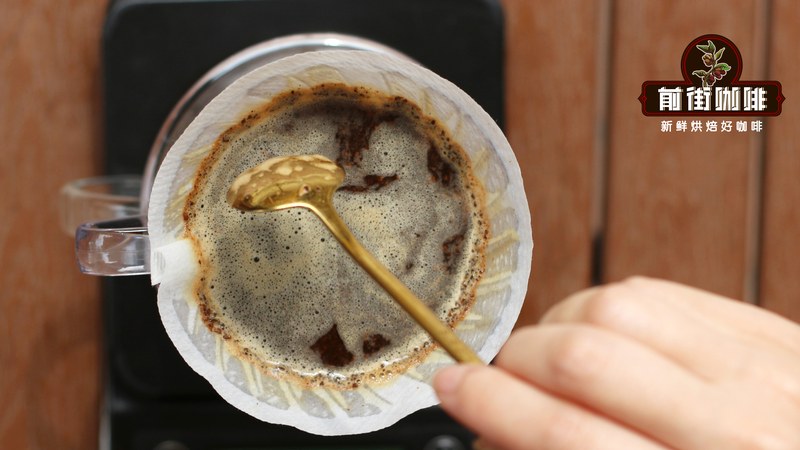
After choosing the beans, there is also room for small adjustments in brewing. Raise the water temperature a little and adjust the grind finer, and the extracted acidity will also be weaker, making it easier for elders to drink. In addition, Qianjie coffee beans are all roasted and shipped within 5 days. For medium-dark roasted espresso beans, rest them for 5 to 7 days after receiving before starting extraction; for hand-brewed single-origin beans, rest them for 3 to 5 days, and drink within one month after opening for better flavor. This freshness itself is also part of the gift. Letting elders drink the beans when they are in just the right condition is more substantial than any packaging.
Looking back over these years, the key to choosing coffee for elders is to think from the other person's taste habits, rather than imposing the flavors you like on them. Low acidity, full body and enough sweetness: once these three lines are clearly drawn, and combined with whether the elder usually drinks black coffee or milk coffee, you can choose a bag of beans that the other person will truly finish and even buy again.
Related Reading

Comments (0)
Loading comments...
You May Be Interested



Trending Reviews
Popular Videos

With you, wherever you are! We provide useful features to help you find new things you'll love






